Skip to content
AK OPTICALSystems Send a project enquiry
Reference library

Industrial Heat Exchanger Unit

Published
  • Industrial
  • Heat
  • Exchanger
Source context

AI source overview

Industrial heat exchanger units are specialized systems designed to efficiently transfer heat between fluids in a wide range of industrial applications, enhancing energy efficiency and process control.

Overview

Industrial heat exchangers are devices that transfer thermal energy between two or more fluids without mixing them, enabling heating, cooling, or maintaining precise temperatures in industrial processes. They are essential in sectors such as chemical processing, power generation, oil and gas, food and beverage, HVAC, and wastewater treatment, where temperature control and energy efficiency are critical.

Common Types

Shell and Tube Heat Exchangers: One fluid flows through tubes while another flows around them inside a shell. Ideal for high-pressure and high-temperature applications like refineries and chemical plants. Plate Heat Exchangers: Composed of thin, corrugated plates that separate fluids, offering high thermal efficiency in a compact design, commonly used in food, beverage, and pharmaceutical industries.

Air-

Cooled Heat Exchangers: Use fans to dissipate heat from fluids to air, suitable for remote or space-limited industrial sites. Double Pipe and Spiral Heat Exchangers: Designed for smaller-scale or fouling-prone fluids, often used in pulp and paper, sludge treatment, and thermal energy recovery. Specialized Designs: Helical or counter-helical spiral tubes, finned tubes, and hairpin configurations for enhanced thermal efficiency and reduced footprint.

Materials and Construction

Industrial heat exchangers are fabricated from a variety of materials to withstand corrosion, high temperatures, and chemical exposure, including: Carbon steel, stainless steel (304L, 316L), duplex stainless steelTitanium, Monel, Hastelloy, Alloy 20, AL-6XNCopper, brass, Incoloy, and other exotic alloys Construction standards often comply with ASME, TEMA, PED, API-660, and ISO certifications, ensuring safety, durability, and regulatory compliance.

Applications

Chemical and Petrochemical Industry: Heating reactors, condensing vapors, distillation columns, and heat recovery. Oil and Gas: Crude oil heating, gas dehydration, and refinery processes. Power Generation: Cooling turbines, condensers, and thermal fluid systems in nuclear, thermal, and combined-cycle plants.

Food and Beverage: Pasteurization, sterilization, and temperature control for safety and quality.

HVA

C and Air Handling: Air-to-air exchangers for energy recovery, airflow management, and indoor climate control. Waste Heat Recovery: Capturing thermal energy from exhaust gases or hot fluids to improve efficiency.

Performance and Maintenance

Modern industrial heat exchangers are designed for high efficiency, low maintenance, and long service life. Features may include: Removable tube bundles, davit arms, and inspection ports for easy cleaningEnhanced surface finishes, electropolishing, and passivation for sanitary applicationsAccessories like vacuum breakers, insulation jackets, and twisted tape turbulators to improve heat transfer Selecting the Right UnitChoosing the appropriate heat exchanger requires evaluating: Temperature and pressure requirementsFluid compatibility and corrosion resistanceSpace constraints and installation typeEnergy efficiency and maintenance considerationsIndustry-specific standards and certifications Industrial heat exchangers are critical for optimizing energy use, maintaining process stability, and ensuring product quality across diverse industrial operations.

Custom solutions are available from manufacturers to meet specific operational needs and challenging environments.

Research context

Reference summary

Industrial heat exchanger, Industrial heat exchanger unit Galvatek's SYNOTHERM® plate heat exchangers provide a compact, high-performance solution for indi.

From reference to enquiry

Questions for your project

Use these editorial prompts alongside the linked excerpts. They identify items to confirm for your project.

Technical notes

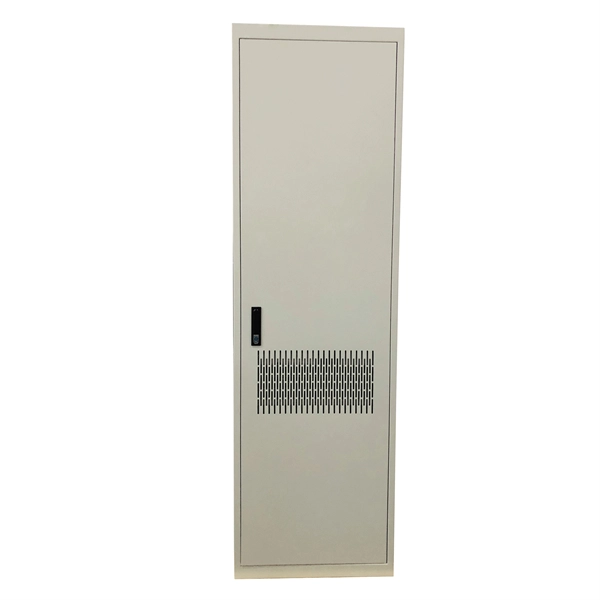
Illustrative equipment image

Industrial heat exchanger, Industrial heat exchanger unit

Galvatek''s SYNOTHERM® plate heat exchangers provide a compact, high-performance solution for indirect heating or cooling of process liquids in industrial

Industrial Heat Exchangers | Enerquip

Enerquip''s industrial shell and tube heat exchangers deliver reliable, efficient performance in demanding applications — including ethanol and chemical processing, LNG refineries, asphalt heating, landfill

Heat exchanger, Heat exchanger unit

Heat exchangers are devices that allow thermal energy to be transferred between two fluids at different temperatures through a wall that separates them, without

Industrial Plate Heat Exchangers

Designed to meet diverse heat transfer demands—from compact systems to ultra-large flow rates up to 4500 m³/h—APV ParaFlow offers performance-driven

Industrial Heat Exchanger: What It Is and How It Works

Discover how industrial heat exchangers work, main types, applications, and materials for maximum efficiency and durability.

Heat transfer systems for industrial use | °LAUDA

Depending on the required outflow temperature, heat transfer units use either thermal oil, water or water/glycol as the heat carrier. They are electrically heated

Heat exchanger

The classic example of a heat exchanger is found in an internal combustion engine in which a circulating fluid known as engine coolant flows through radiator coils

Industrial air cooled heat exchangers

Alfa Laval offers a wide range of energy-efficient high-performance systems for air-cooled heat exchange in industrial applications. Explore our different variants of

Industrial Heat Exchangers | Faco

The ability to engineer fully customized solutions, together with the wide range of available materials, makes FACO heat exchangers suitable

Industrial cooling and heat exchange components from

Range of industrial coolers and heat exchangers produced to the highest standards and fully tested before dispatch to ensure quality and reliability. Oil-air coolers,

How They Work and Why They Matter

The Ultimate Guide to Industrial Heat Exchangers: How They Work and Why They Matter In the engine room of modern industry, from sprawling power plants to

Heat exchanger rental | Greener heat solutions

Cut downtime and control costs with industrial heat exchanger rentals. Temporary cooling and evaporation solutions delivered nationwide when you need them.

Heat exchanger

In counter-flow heat exchangers the fluids enter the exchanger from opposite ends. The counter current design is the most efficient, in that it can transfer the most heat from the heat (transfer) medium per

Industrial Heat Exchangers

However, industrial heat exchangers are a little different because they often work in extreme environments, such as nuclear power stations, oil refineries, food processing plants and

Custom industrial heat exchangers

Custom industrial heat exchangers HEXONIC designs and manufactures specialized industrial heat exchangers for demanding applications across power,

Hayden | Cooling Systems in Critical Applications

Efficient. Reliable. Air-cooled heat exchanger applications worldwide Our air-cooled heat exchangers are proven in a wide array of applications — from water-glycol

What Type of Industrial Heat Exchanger is Best For Your Facility?

Explore industrial heat exchanger types, applications, and selection tips, including suction heaters, shell and tube, and bayonet heaters.

Industrial Heat Exchanger Solutions | Alaqua Inc

Compact Heat Exchanger Designs: Space-saving for confined spaces Smart Sensors: Real-time temperature, flow, and pressure monitoring is made possible. To further improve

Related Video Reference

This video was associated with the source search result. Verify technical details against current product documentation and project requirements.

Share your network requirements

Share the fiber interfaces, termination capacity, cable route and evidence required for handover.

Send a project brief