
Inside The Factory The Soldering Process Behind Every Optic Module
Search optical fiber, connectivity, cable management and network infrastructure references.
- Inside
- Factory
- Soldering
Articles and technical references
11 on this page-
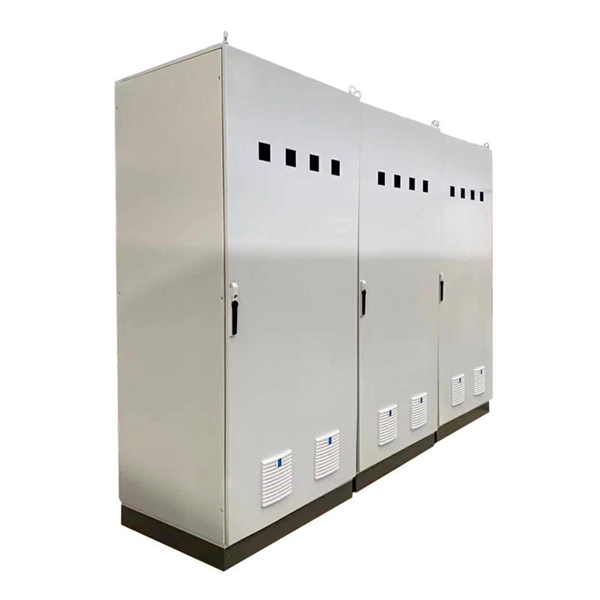
What equipment is inside the wiring cabinet
Electrical enclosures typically contain circuit breakers, contactors, busbars, terminal blocks, switches, and wiring components. Additional accessories such as DIN rails, cable glands, cooling devices, and monitoring sensors help support mounting, wiring management, and...
[PDF Version]
-
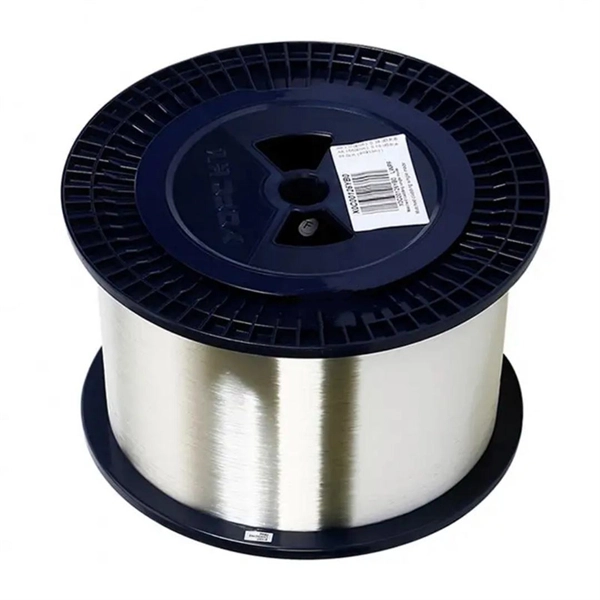
Does the optical module need soldering
While SMT is the default for most components, THT/through-hole soldering remains a critical enabler in optical-module PCB design thanks to unmatched mechanical strength and specific electrical/thermal characteristics. See how Pioneer Thermal manufactures high-performance...
[PDF Version]
-
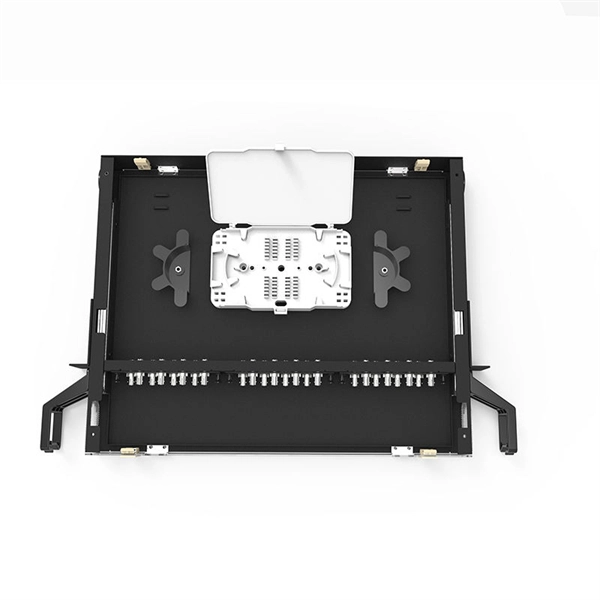
Requirements for strong and weak current circuit partitions inside cable trays
The primary rulebook used in the safe use of cable trays is NEC Article 392. This is a description of how to select, install, and support these metal or plastic frames, on which electrical wires are installed. Cable tray types, fill rules for single-conductor and...
-
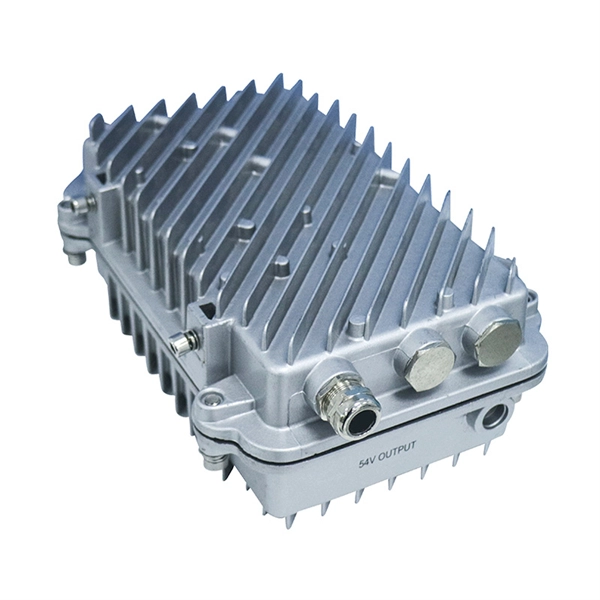
Repairing the fiber optic cable inside the machine
Excavate the cable at the break point and use a fiber optic cutter to remove the damaged section. Use a high-precision fiber cleaver to prepare the fiber ends for. This complete guide covers everything from identifying causes of failure to advanced repair techniques, drawing...
[PDF Version]
-
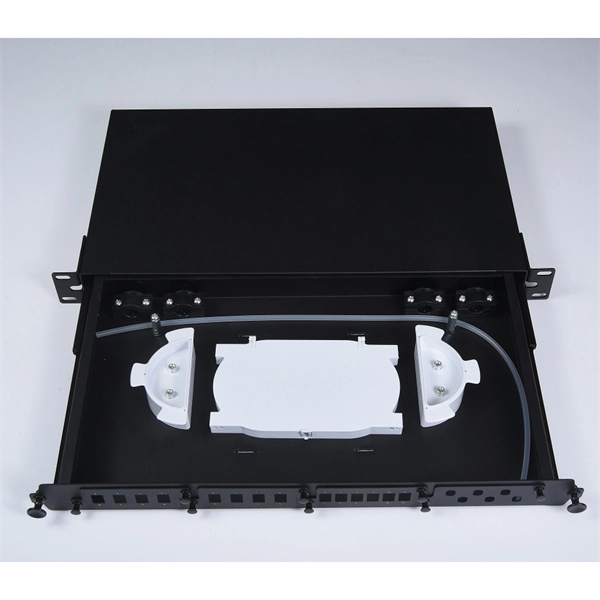
How long does the optical cable acceptance process take
The entire process typically takes 2-6 hours for residential installations when an Optical Network Terminal (ONT) is already present, or 4-6 hours if one needs to be installed from scratch. 1: How long does the fiber optic installation process take? A: The duration varies...
-
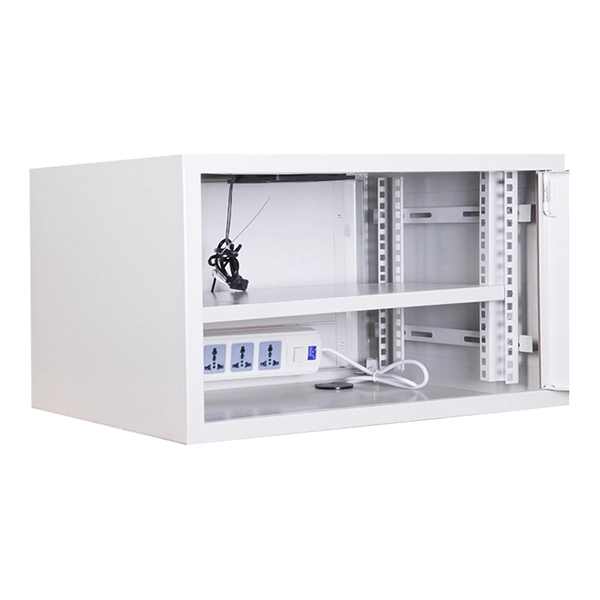
The contents of the factory s electrical distribution box
The primary role of the power distribution box is to provide a safe and organized way to manage electrical circuits. It acts as a protective enclosure that houses several key components, such as circuit breakers, fuses, and bus bars. Today, electrical systems are essential...
-
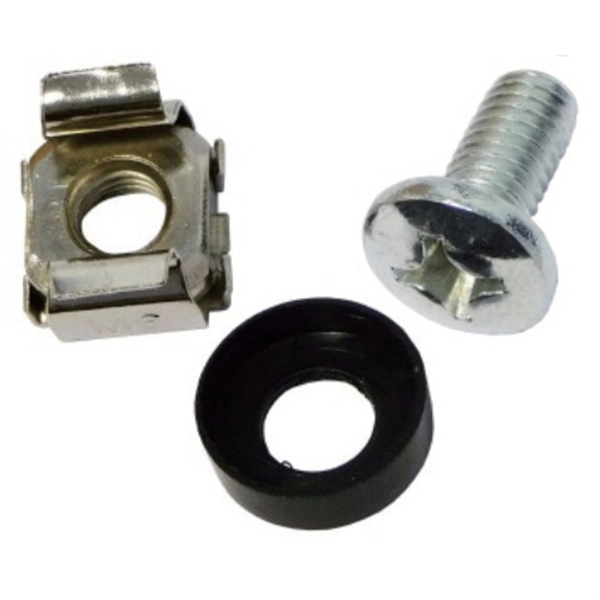
Cables are branched inside the cable tray
A cable tray is an organized support structure designed to secure and route these insulated electrical cables. It acts as a dedicated pathway for power distribution and data transmission, often supporting cables hidden behind walls or above ceilings. A complete system is made...
-
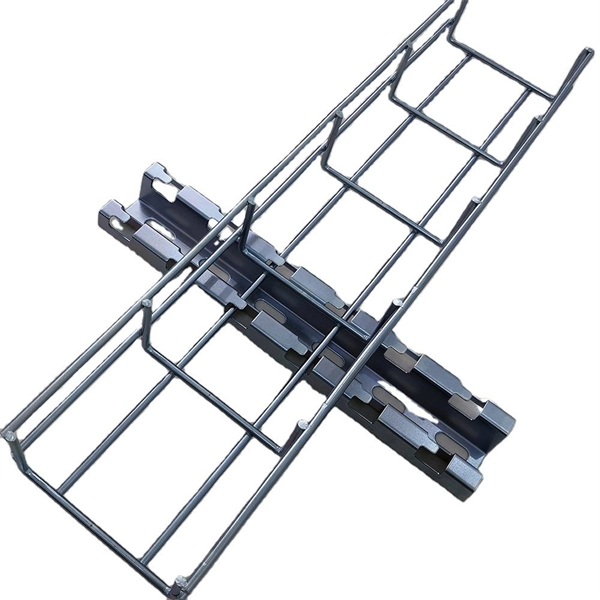
Production process of aluminum profile cable trays
Forming machines then bend and shape the material into the desired tray profile, followed by welding or joining processes to create the tray sections. Finally, surface treatment, such as powder coating or hot-dip galvanizing, provides corrosion protection and a finished...
[PDF Version]
-
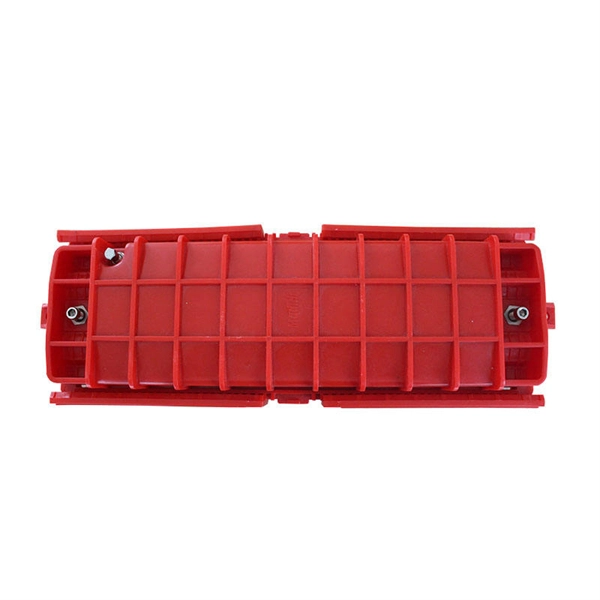
Model of components inside the distribution box
The main parts are the Miniature Circuit Breaker (MCB), Residual Current Device (RCD), busbars, and the main switch. Safe habits and checking the box often help stop electrical accidents. It ensures that electricity flows. This ultimate guide explains what a distribution box...
[PDF Version]
-
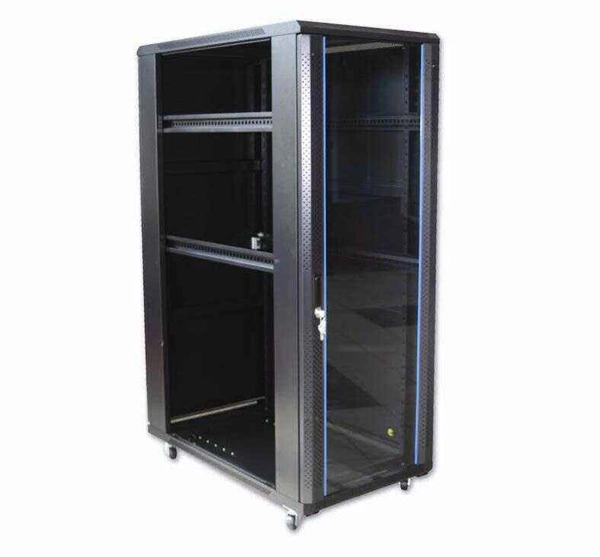
Pipeline fiber optic cable manufacturing process
This production system integrates multiple stages, including fiber pay-off, coloring, buffering, stranding, sheathing, and testing. The manufacturing process of fiber optic cables is a fascinating journey involving cutting-edge technology, precision engineering, and strict...
-
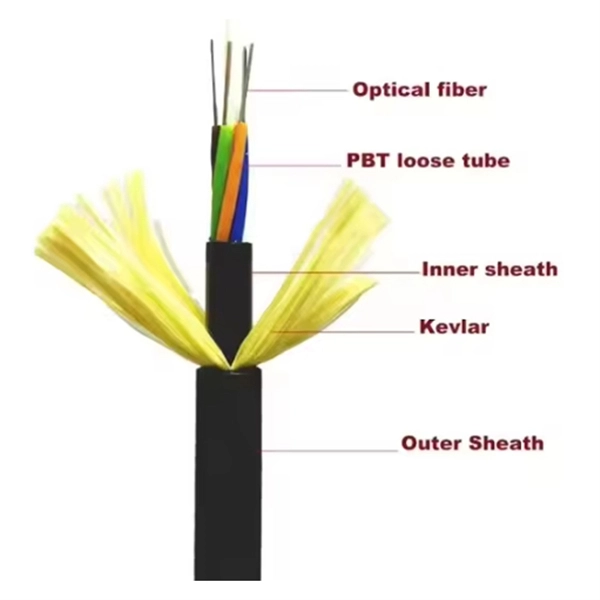
The process of bundled optical cables
Fibre cable bundling involves grouping multiple fibre optic cables together to form a single, cohesive unit. This technique is crucial for enhancing the capacity of data transmission systems. By bundling cables, telecommunications companies can maximise the use of available...