
Installing Opgw Quick Reference Guide
Search optical fiber, connectivity, cable management and network infrastructure references.
- Installing
- Opgw
- Quick
Articles and technical references
11 on this page-
Quick Start Guide to Optical Modules
Optical modules are electronic devices that transmit data over long distances using light waves. For Fiber Optic Transceivers, we also offer replacement servic lb von 30 Tagen nach Erhalt der Ware gewähren. Its primary function entails converting electrical signals into...
[PDF Version]
-
Practical Methods for Installing Junction Boxes
Looking for a clear and practical guide to electrical junction box installation? In this video, we showcase real on-site construction photos, step-by-step installation processes, and essential tips for safe wiring and plumbing coordination. Whether you're involved in home...
[PDF Version]
-
What is a fiber optic quick cold connector
A fiber fast connector, also known as a mechanical splice or cold connector, is a field-installable connector that terminates fiber optic cables without requiring a fusion splicer. It uses pre-installed index-matching gel or mechanical clamping to align the bare fiber with a...
-
Complete Guide to Copper Optical Cables
Cabling: The Complete Guide to Copper and Fiber-Optic Networking, 5th Edition is the industry-leading guide to helping you develop the skills you need to design and build reliable, cost-effective cabling infrastructure. The fourth edition of this popular guide provides you...
-
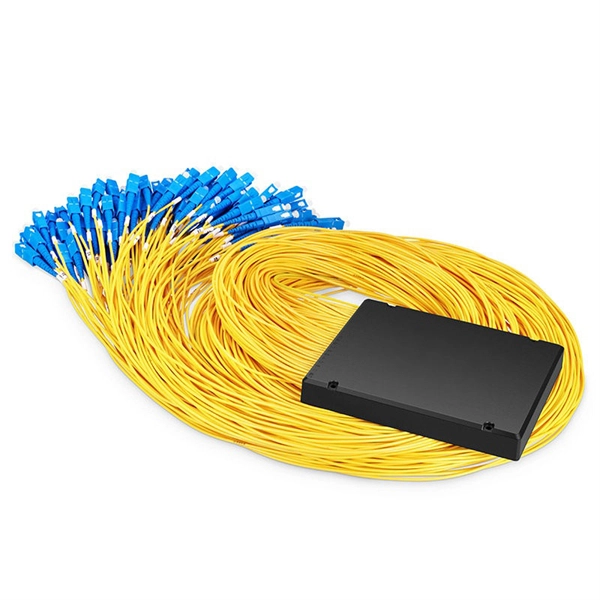
OPGW optical cable tower grounding
An optical ground wire (also known as an OPGW or, in the IEEE standard, an optical fiber composite overhead ground wire) is a type of cable that is used in overhead power lines. Such cable combines the functions of grounding and telecommunications. Prysmian has a built-in...
[PDF Version]
-
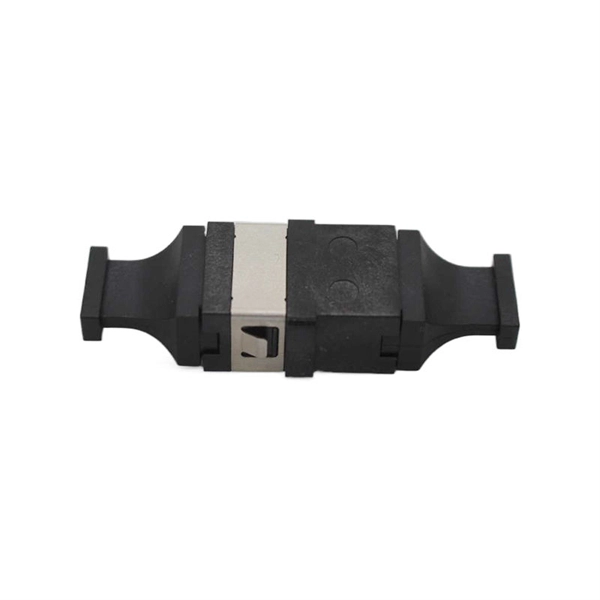
Installing the QSFP optical modulator
This section provides the installation, cabling, and removal instructions for the Quad Small Form-Factor Pluggable (QSFP) transceiver modules. Refer to the Cisco Transceiver Modules Compatibility Information for additional details on optical transceivers. These hot-pluggable...
[PDF Version]
-
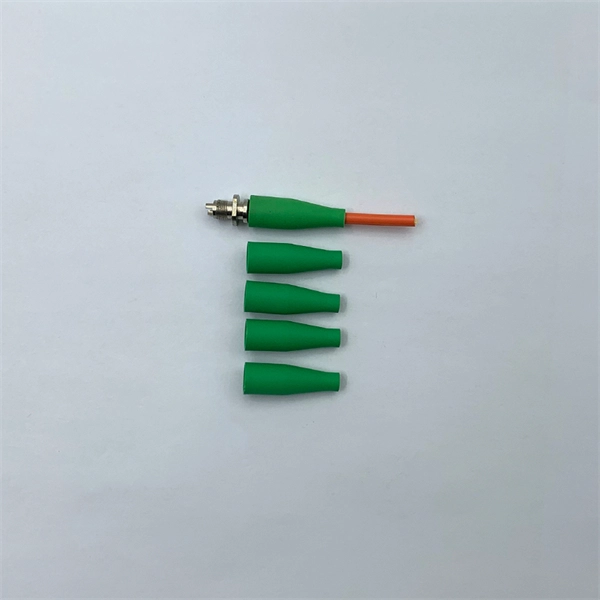
Method for installing network cable trays at bends
Provide supports at 250 mm from bends, branches and offsets. Cut the standard length of Cable tray / ladder to required length with appropriate cutting tools and fixed with the necessary accessories. This publication is intended as a practical guide for the proper and safe*...
[PDF Version]
-
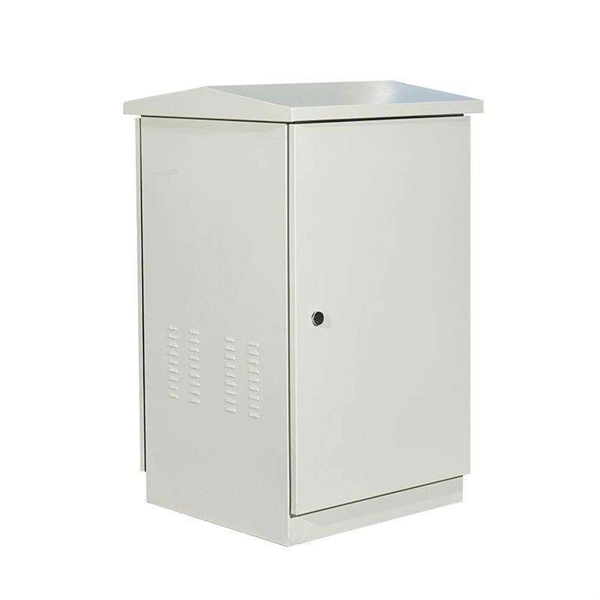
Price of installing metal box distribution box
Junction box costs range from low‑price indoor models ($10‑$60) to weatherproof units ($70‑$450), with installation averaging $100‑$300 depending on location and materials. The final price depends not only on the box itself, but also on. Understanding distribution box cost...
[PDF Version]
-
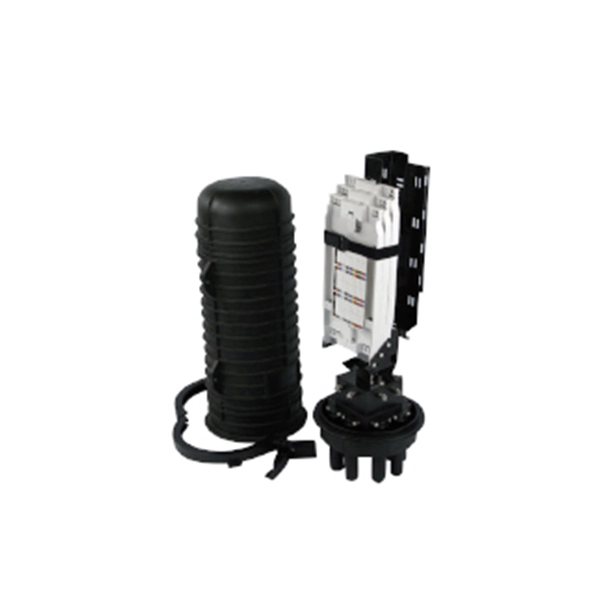
Quick removal of bundled tail fibers
Some methods factory make the connector with a fiber stub which is spliced to the fiber for termination. However, either epoxy or anaerobic adhesives followed by polishing have been determined to be the best methods. Factories terminating fibers use heat-cured epoxies because...
[PDF Version]
-
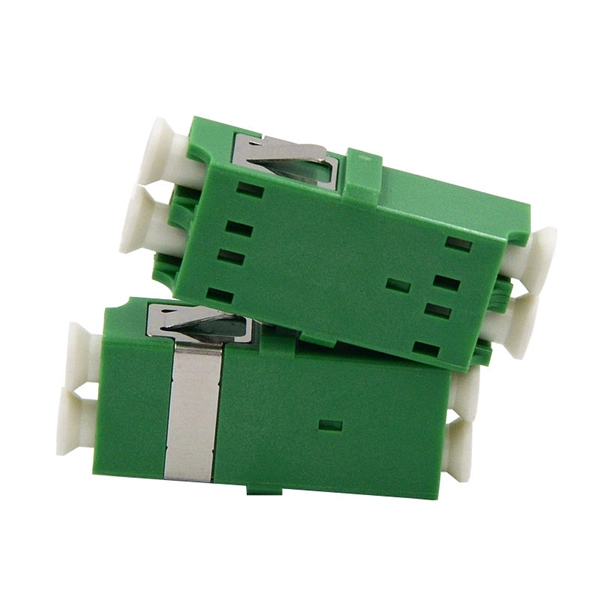
Advantages and disadvantages of the upgraded OPGW fittings
Advantages: Provides economic benefits and turn-key installations The centralized fiber layout eliminates the need of complex splicing. installation and operation. In economic terms, that means no unexpected costs due to on-site delays, professional project management...
[PDF Version]
-
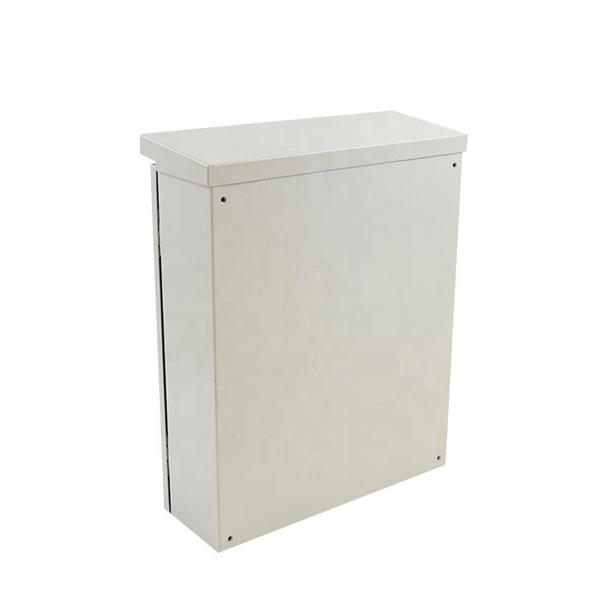
What are the uses of installing a fiber distribution box
A distribution box serves as a central point for managing and distributing fiber optic cables. This device ensures reliable and efficient connectivity between various network components. These boxes protect sensitive fiber connections from environmental factors while...