Skip to content
AK OPTICALSystems Send a project enquiry
Reference library

Interceptor in the optical module

Published
  • Interceptor
  • Optical
  • Module
Source context

AI source overview

The Optical Module Interceptor, exemplified by INTERCEPTOR NX, is a fiber-optic intrusion detection system that monitors dark fibers to detect physical disturbances and secure network infrastructure.

Overview

The INTERCEPTOR N

X is a next-generation optical intrusion detection system designed to protect classified and mission-critical networks by monitoring unused (dark) fibers within fiber optic cables. It uses optical modules to sense disturbances along the cable, effectively turning the entire fiber into a sensor. This system is compatible with both single-mode and multimode fibers and can secure existing network infrastructure without major modifications.

How It WorksINTERCEPTOR NX employs patented hub-and-spoke technology, allowing a single unit to monitor up to eight continuous optical circuits (zones). Each zone can cover multiple remote buildings or dozens of user drops. The system detects abnormal handling of the cable, such as tapping or physical interference, by monitoring a pair of fibers inside the protected cable, which improves sensitivity compared to single-fiber monitoring.

The system integrates with software platforms like INSIGHT™ and INTERLINK™, which provide centralized alarm management, automated response procedures, and integration with existing security infrastructure. Features include real-time threat detection, false alarm elimination, and adaptive response to ensure reliable monitoring.

Optical Module Role

Optical modules in the INTERCEPTOR NX system function similarly to standard optical transceivers used in high-bandwidth communications. They convert electrical signals into optical signals for transmission and convert received optical signals back into electrical signals. Key components include: Transmitter Optical Sub-Assembly (TOSA): Converts electrical signals to modulated light using laser diodes or LEDs.

Receiver Optical Sub-

Assembly (ROSA): Converts incoming optical signals into electrical signals using photodetectors and amplifiers. Digital Diagnostic Monitoring: Provides real-time monitoring of optical power, temperature, and other operational parameters. These modules enable the system to detect even subtle disturbances along the fiber, ensuring high sensitivity and reliability.

ApplicationsINTERCEPTOR NX is primarily used by government and military organizations to secure classified networks in compliance with CNSSI 7003 standards. It is also applicable in any environment where physical security of fiber optic infrastructure is critical, such as data centers, financial institutions, and critical infrastructure facilities.

Advantages

High sensitivity: Monitors multiple fibers and detects physical tampering. Cost-effective: Patented point-to-multipoint architecture reduces hardware requirements. Real-time monitoring: Provides immediate alerts and automated response.

Integration-ready: Works with existing alarm management systems and supports SNMP, Syslog, email, and SMS notifications. In summary, the Optical Module Interceptor leverages advanced optical modules and monitoring technology to provide comprehensive physical-layer security for fiber optic networks, combining high sensitivity, real-time detection, and centralized management for critical infrastructure protection.

Research context

Reference summary

Understanding Optical Modules: Working Principles, Structures, and. Explore the working principles, structures, and performance metrics of optical module.

From reference to enquiry

Questions for your project

Use these editorial prompts alongside the linked excerpts. They identify items to confirm for your project.

Technical notes

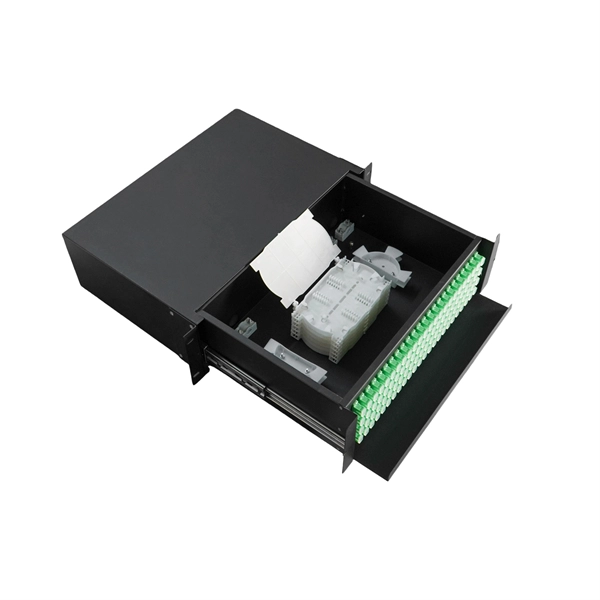
Illustrative equipment image

Understanding Optical Modules: Working Principles, Structures, and

Explore the working principles, structures, and performance metrics of optical modules, essential components of optical fiber communication systems. Learn about key indicators such as

Optical module design resources | TI

View the TI Optical module block diagram, product recommendations, reference designs and start designing.

Optical Module Working Principle | SFP Transceiver Technical Guide

Learn the complete working principle of optical modules (SFP transceivers), including TOSA/ROSA components, laser types, temperature compensation, and more. Weunion''s high

Optical module

Sometimes the optical module is replaced by an electrical interface module that implements either an active or passive electrical connection to the outside world.

Internal Structure of Optical Modules

Optical modules are key components in fiber optic communication systems, responsible for electro-optical conversion, meaning the conversion of electrical signals to optical signals or vice

Understanding Optical Transceiver Modules: A Comprehensive Guide

When you pick up an optical transceiver module, several parameters need to be defined to ensure compatibility and efficiency. These include physical dimensions, interface types, spectral

The Most Comprehensive Guide Of Optical Modules

Explore the ultimate guide to optical modules. Learn types, functions, performance metrics & how to choose the right module for your fiber network.

The Key External Components of Optical Modules

Protects the fiber optic connectors, adapters, and optical bores from dust, moisture, and physical damage. Essential for maintaining signal integrity and preventing contamination.

What are the Internal Components of an Optical Module?

The function of the optical module is to carry out the photoelectric and electro-optic conversion. The transmitter converts the electrical signal into an optica

The Key External Components of Optical Modules

An optical module serves as the backbone of modern fiber-optic communication. Its appearance often resembles a compact rectangular device, designed to fit seamlessly into

Comprehensive Guide to Optical Transceiver Classifications and

Introduction Optical modules are critical components in fiber optic communications, enabling the conversion between electrical and optical signals. They are widely used in data centers,

INTERCEPTOR NX CS Draft Spec Sheet V1.6

Product Specifications INTERCEPTORNXTM is the next generation of the industry-leading INTERCEPTOR Optical Intrusion Detection System designed to make installation, maintenance, and

Designing a Module for High-Speed Optical Communication

This article explores MPS optical module solutions to meet the design requirements of high-speed optical communication as well as different laser diode applications.

What is an Optical Module?

Explore the world of optical link modules, essential components in optical fiber communication. Learn about the different types of optical link modules, their functions, packaging, and key technical

How to Choose Optical Modules Correctly?

How Optical Modules Operate Transmitter Optical Sub Assembly (TOSA) The TOSA manages light emission, converting electrical signals to optical signals. It comprises a light source,

Co-Packaged Optics (CPO) Market Trends 2026: AI Data Center Optical

Explore the future of co-packaged optics (CPO) in AI data centers. Learn how silicon photonics, optical I/O, and high-speed optical interconnect technologies are shaping next-generation

The Evolution of Optical Modules: Powering the Future

Enter optical modules, which leverage the power of light to transmit data efficiently over long distances, driving the next generation of technological

What is an optical module? Optical module wiki

An optical module, also called fiber optic transceiver or optical transceiver, is a typically hot-pluggable device used in high-bandwidth data communications applications.

Share your network requirements

Share the fiber interfaces, termination capacity, cable route and evidence required for handover.

Send a project brief