
Intrinsically Safe Cables
Search optical fiber, connectivity, cable management and network infrastructure references.
- Intrinsically
- Safe
- Cables
Articles and technical references
11 on this page-
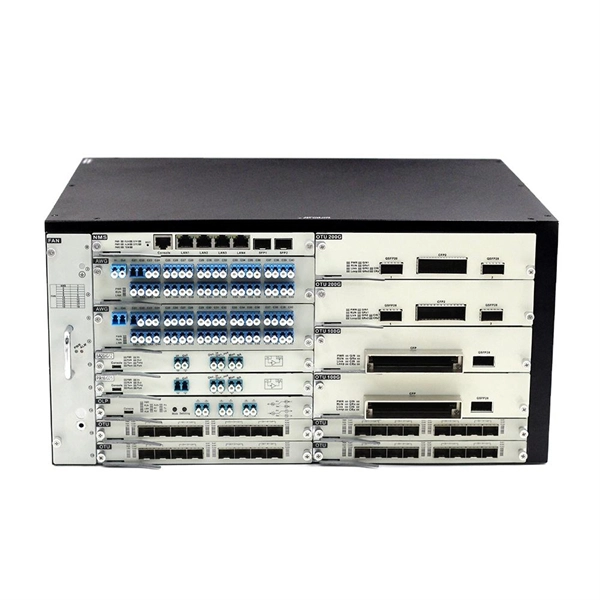
Safe distance for fiber optic cables installed on the same pole
Urban Areas: 25–40m spacing (concrete poles, 10–12m height)., steel lattice structures). Factors: Cable weight (kg/km) Ice loading (up to 50mm thickness)Cables on poles sharing electrical and telecom/CATV cables must be installed in the telecom space with proper clearance...
[PDF Version]
-
Safe distance for optical cables crossing 10kV lines
The standard requires a minimum clearance of 3m (10 ft) from high Voltage lines or you must de-energize the lines if you have to get closer. 3m (10ft) plus 100mm (4in) for every 10kV above 50kV. Follow the steps below to determine if the 30-10-10 ft. Aerial Cable Installation...
[PDF Version]
-
Safe distance between OPGW optical cables and power lines
What is OPGW Optical Cable? Structure, Working PrincipleUnlike traditional ground wires, OPGW cables do not simply serve as lightning protection grounding.
[PDF Version]
-
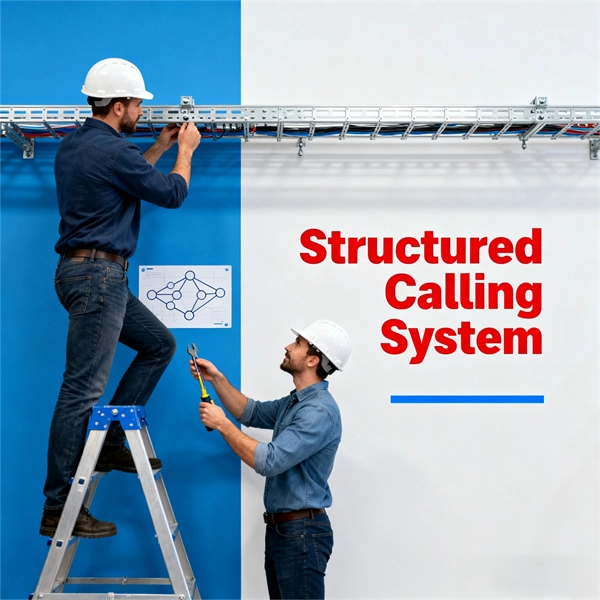
Intrinsically Safe Optical Cable Lightning Protection
These intrinsically safe cables feature special insulation and sheathing with low capacitance and high resistance, allowing reliable signal transmission without ignition risk. They are essential in instrumentation systems, sensors, safety valves, and control networks. During...
[PDF Version]
-
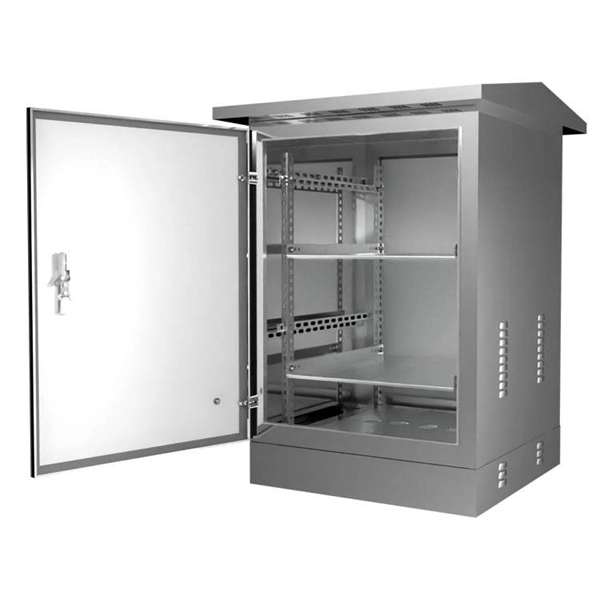
Safe distance between power lines and fiber optic cables
No specific minimum distance is mandated by NEC or NESC when both cables are properly insulated for their respective voltages. The standard solution is to use innerduct within shared conduits or trays, which provides the necessary mechanical separation for fault survival...
[PDF Version]
-
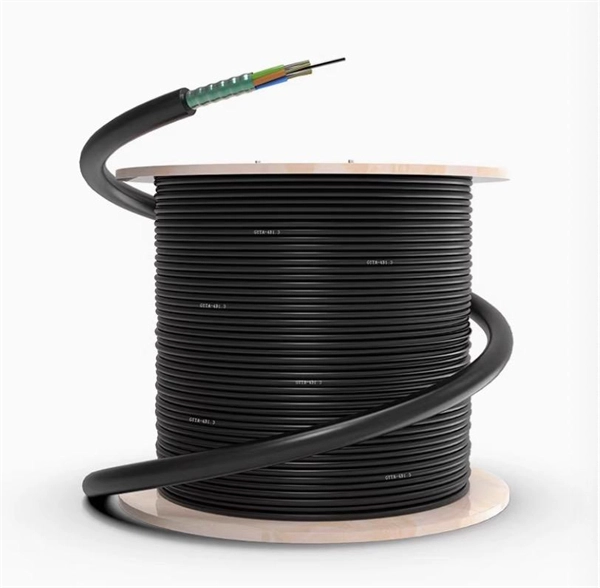
High-standard production of optical cables for smart buildings
SIST EN IEC 60794-2-20:2025 delivers a comprehensive specification for multi-fibre optical cables intended for indoor environments—a foundation for high-density data centers, campus networks, and modern smart buildings. Let's learn more about the role of optical fiber cables...
[PDF Version]
-
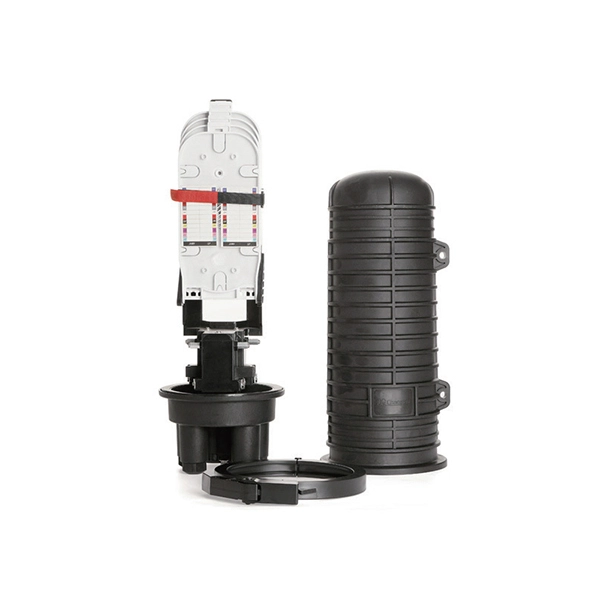
How are fiber optic cables classified for home delivery
“Fiber to the home” describes the use of fiber optic cable to deliver broadband internet from a central location directly to private residences. Connector types play a crucial role in selecting the right cable for specific applications, as different connectors are designed...
[PDF Version]
-
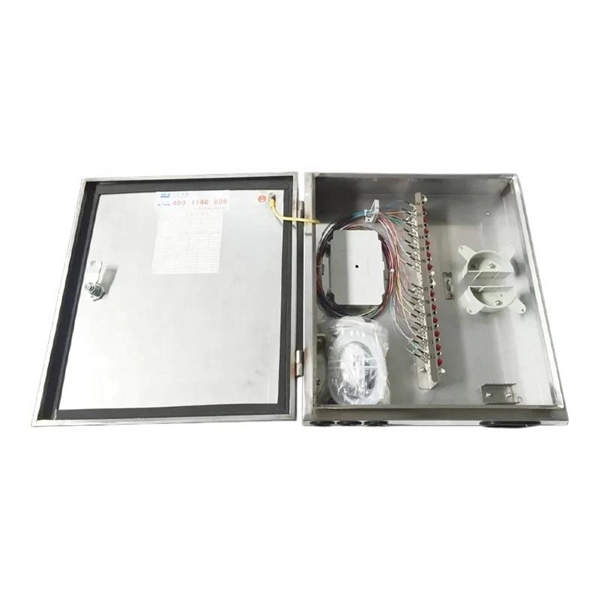
Complete Guide to Copper Optical Cables
Cabling: The Complete Guide to Copper and Fiber-Optic Networking, 5th Edition is the industry-leading guide to helping you develop the skills you need to design and build reliable, cost-effective cabling infrastructure. The fourth edition of this popular guide provides you...
-
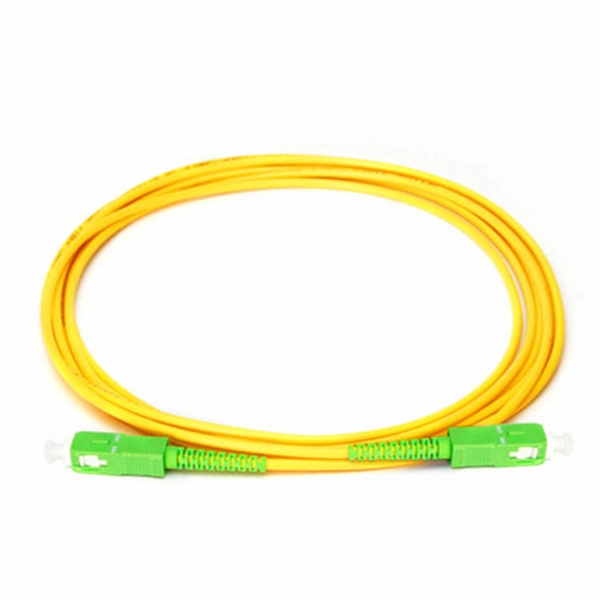
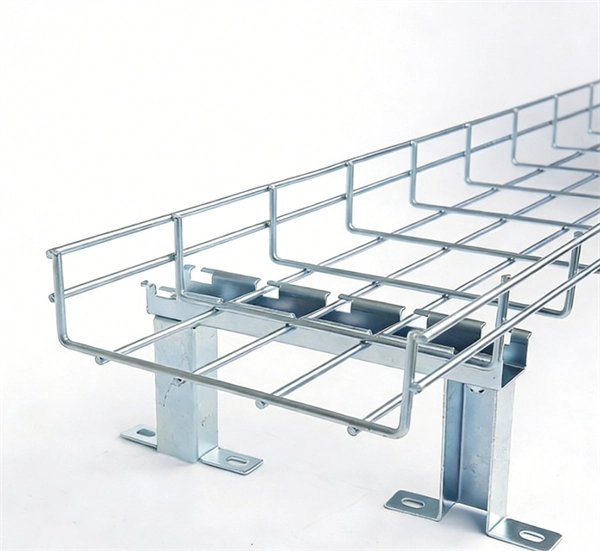
Use ladder-shaped cable trays for ordinary cables
NEC 392 recognizes several cable tray types, each with different structural properties and ventilation characteristics that affect fill rules and ampacity. Ladder tray consists of two side rails connected by rungs, similar to a ladder laid flat. Cable trays support insulated...
[PDF Version]
-
Are wild spectrometers safe
A spectrometer is a scientific instrument used to separate and measure components of a physical phenomenon. Spectrometer is a broad term often used to describe instruments that measure a continuous variable of a phenomenon where the spectral components are somehow mixed. In a...
-
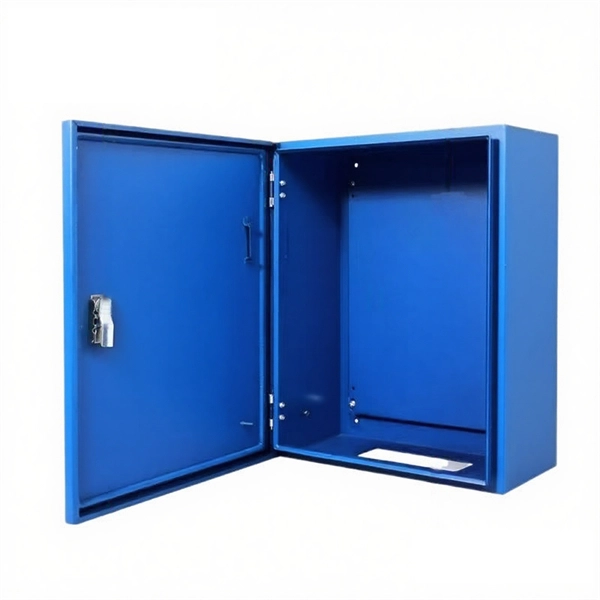
Regulations for Communication Cables and Optical Fibers
This article explains eight of the most important global fiber and cable standards — ITU-T, IEC, TIA, ISO/IEC, and Telcordia — covering their scope, applications, and why they matter in real-world deployments. Fiber optic networks are built on well-defined standards that...
[PDF Version]