
Technical notes
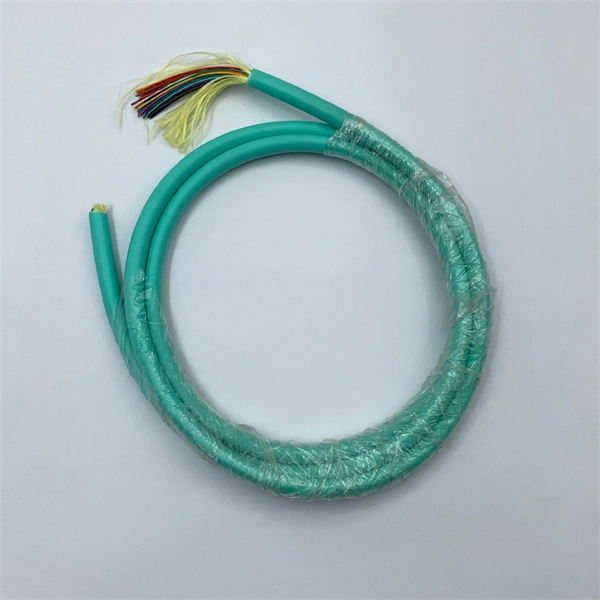
Single Mode vs. Multimode Fiber: Core Differences and Selection Guide
In summary, single mode fiber is better suited for long-distance, high-bandwidth, and future-oriented networks, while multimode fiber is often the better choice for short-reach and budget
“ST Fiber Optic Connectors: Exploring Duplex, Single
In applications based on Ethernet, ST connectors are compatible with single-mode and multimode fiber, allowing a wide range of networking
Single Mode vs. Multimode Fiber Optic Cables
Fiber optic networks utilize two main types of fibers: singlemode fiber (SMF) and multimode fiber (MMF). Understanding the differences between these fibers is crucial for selecting
What is the difference between a single mode connector (ST, SC etc) an
What is the difference between a single mode connector (ST, SC etc) and a multimode connector? In general, there are two main differences between singlemode and multimode connectors. The first
Multimode vs Single Mode Fiber Optic Cables: A Complete Guide to
Costly Overengineering: Using single mode fiber for a 50-meter data center link wastes money (single mode is 2–3x more expensive than multimode). Performance Bottlenecks: Deploying
Fiber Optic Cable Types Explained
Like we mentioned above, indoor fiber optic cable comes in several different types, including single-mode and multimode cable. It also comes available in different connector types, such as ST, SC, and
The Difference Between Singlemode and Multimode
Learn about the advantages, disadvantages, and applications of singlemode and multimode duplex ST jumper cords in fiber optic networks. Find
Singlemode vs Multimode Fiber
Even among people well versed in fiber optics, sometimes the differences between singlemode and multimode fiber are a bit unclear. That gap matters: the choice affects reach, bandwidth, optics cost,
Choosing the Right Fiber Optic Cable: Singlemode vs
Although single-mode fiber (SM) and multimode fiber (MM) cable types are widely used in various applications, their differences can still be
Single & Multimode Fiber Optic Cable: What''s the difference
As a result, fiber optics are extensively used in internet services, telecom, and enterprise data center networks. Many critical decisions come into play in the installation of fiber optic cabling,
Single Mode vs Multimode Fiber Cable
Multi-Mode Optical Fiber Cable : Multimode fiber cables are the type of fiber cables that transmit data via their core of larger diameters enable an average, single-mode transceiver multiple
Singlemode Cable vs Multimode Cable, What''s the Difference
What''s the difference between singlemode cable and multimode? Understanding the difference allows you to choose the best type of cable for your needs.
Single Mode vs Multimode Fiber: A Complete Comparison Guide
Understand the difference between fibers: single mode offers long-distance, high bandwidth, while multimode suits short runs and lower costs.
Fiber Optic Cable Types – Multimode and Single Mode
Fiber Optic Cable Types – Multimode and Single Mode Application Fiber Optic connectors and cables are present in nearly every communications
2024 Business Decision: Single Mode vs Multimode Fiber Guide
Single mode vs multimode fiber explained. Learn differences, speeds, distances, and which is best for your network needs.
Singlemode Fiber vs. Multimode Fiber – What is the
Do you know the difference between singlemode fiber optic cables and multimode fiber optic cables? We''ve heard this question asked so often that we decided to
Single Mode vs. Multimode Fiber
Read this STL Blog to learn about the differences between Single Mode Fibre and Multimode Fibre Optical Cable in terms of length, design, bandwidth, uses, and type.
Single Mode vs Multimode Fiber: What are the Differences?
Single mode vs multimode fiber is a vital consideration for any network. Explore the pros and cons of each connection to reduce costs and increase bandwidth.
Related Video Reference
This video was associated with the source search result. Verify technical details against current product documentation and project requirements.