
Kwikrail Cable Tray System Splice Plate Instruction Sheet
Search optical fiber, connectivity, cable management and network infrastructure references.
- Kwikrail
- Cable
- Tray
Articles and technical references
9 on this page-
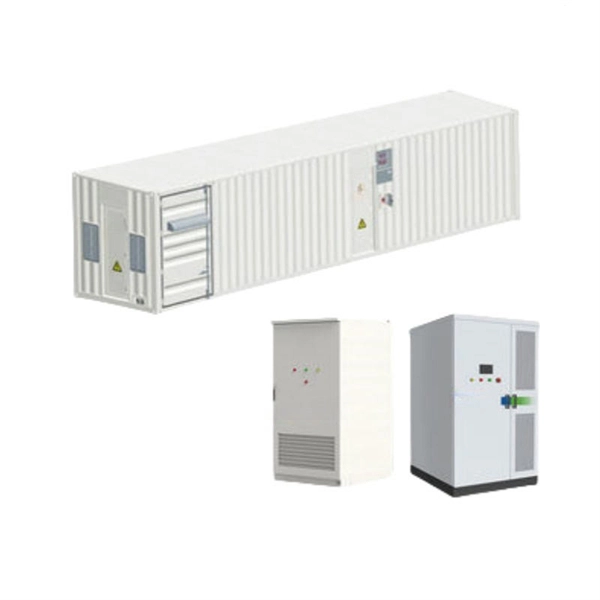
Cable tray connection fixing plate
A cable tray joint plate is a flat metal piece used to join two cable trays. It comes with drilled holes for nuts and bolts. Connecting cable trays correctly is essential for system safety, load stability, and long-term performance. They offer an alternative to open wiring or...
[PDF Version]
-
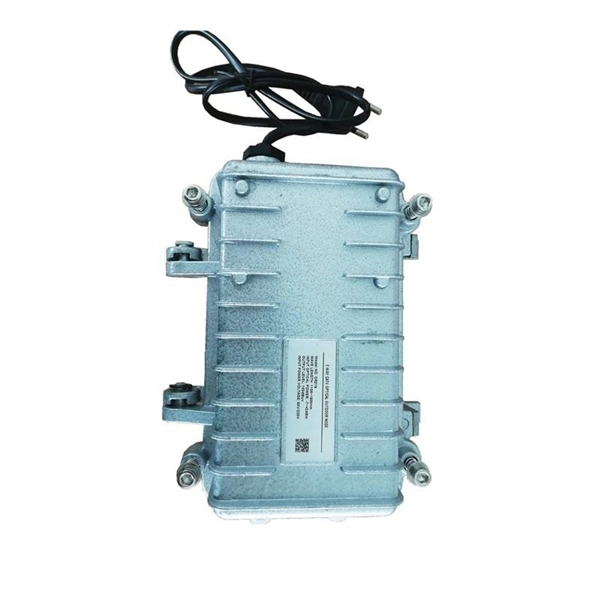
How to handle fiber optic cable entering the splice tray
Cables enter the splice closure or fiber distribution panel through grommeted ports. Each cable gets a strain relief — a clamp or boot that holds the cable jacket so any force on the cable is borne by the jacket, not the fragile bare fibers inside. Unlike fiber connectors...
[PDF Version]
-
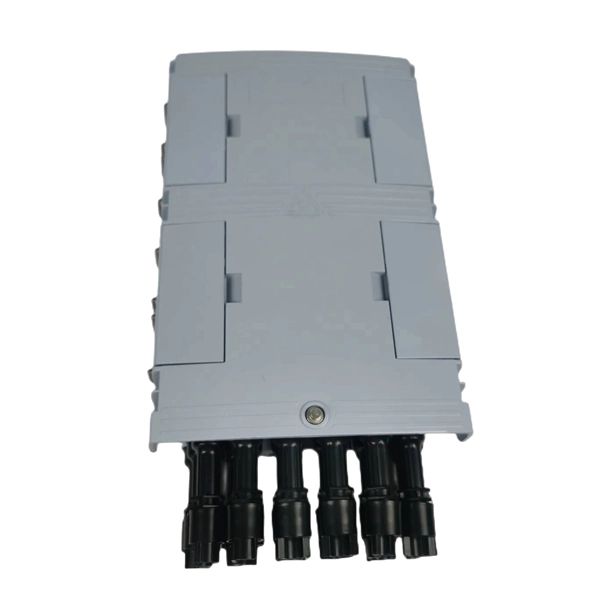
How long should the fiber optic cable be from the fusion splice tray
Application Note: Planning for slack and preparation length when. Termination of fiber optic cabling via fusion splicing requires planning and coordinati.
[PDF Version]
-
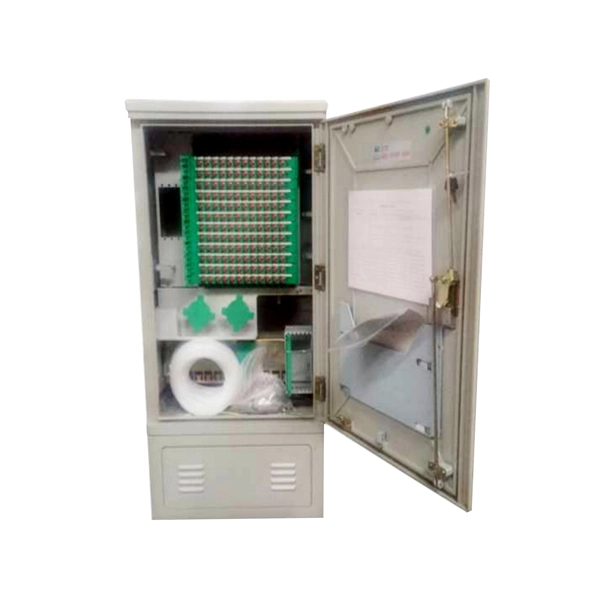
Connect the optical cable to the splice tray
Fiber Cable Mechanical Splicing Guide Using Fiber Splice TraysLearn how to perform mechanical fiber cable splicing inside fiber enclosures using fiber spli.
[PDF Version]
-
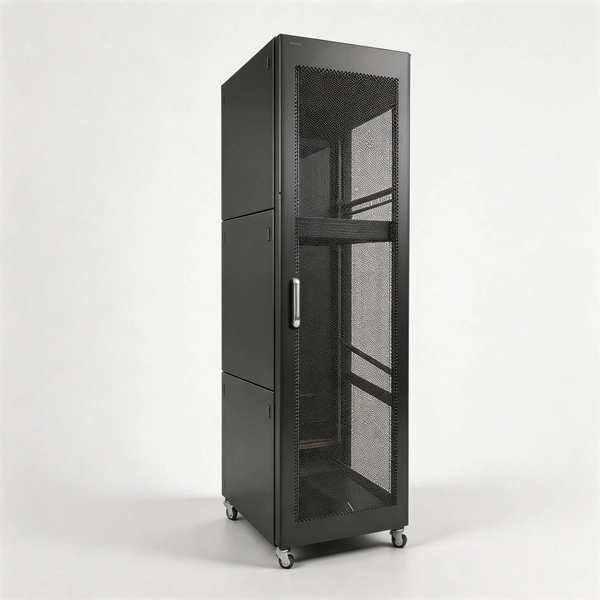
Does the price of the cable tray include the cover plate
How to Get Quick and Accurate Cable Tray Pricing Do accessories significantly impact the final cable tray pricing? Yes, accessories like bends, reducers, v.
[PDF Version]
-
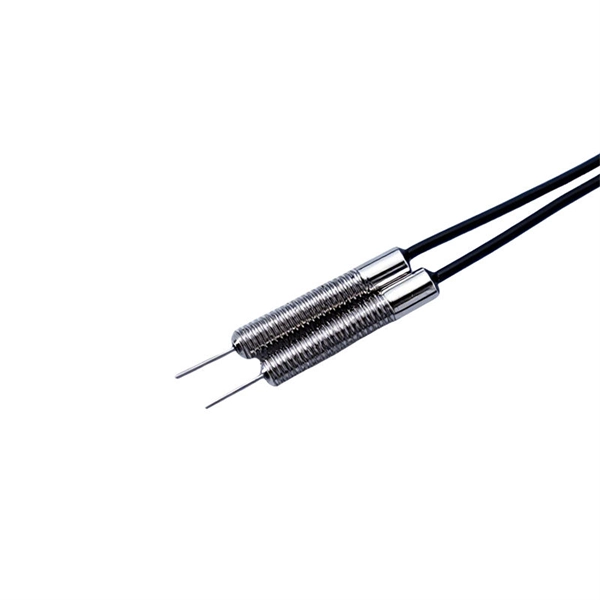
Trough-type cable tray mesh
Unlike ladder or wire mesh cable trays, trough type cable trays use a fully enclosed structure formed from a single steel sheet, creating a protective channel that shields cables from external interference. Far superior to traditional conduit in many applications, cable tray...
[PDF Version]
-
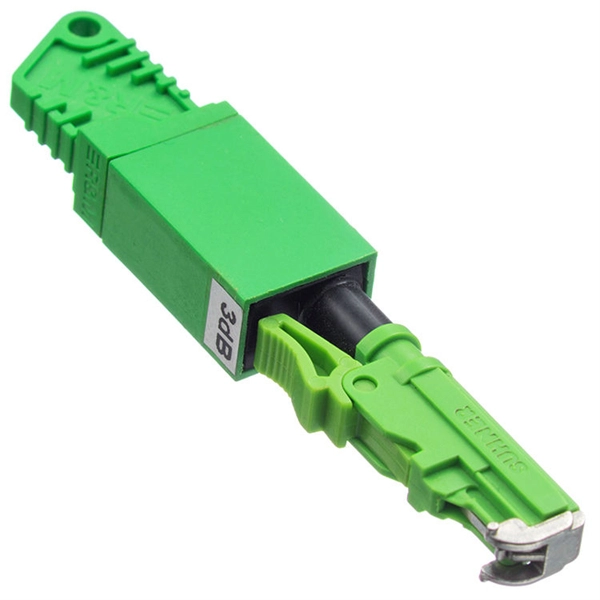
What type of cable tray is a rigid cable tray
Cable trays are mechanical support systems that provide a rigid structural system for electrical cables, raceways, and insulated conductors used for electric power distribution, control, signal instrumentation, and communication. There are several types of cable trays...
-
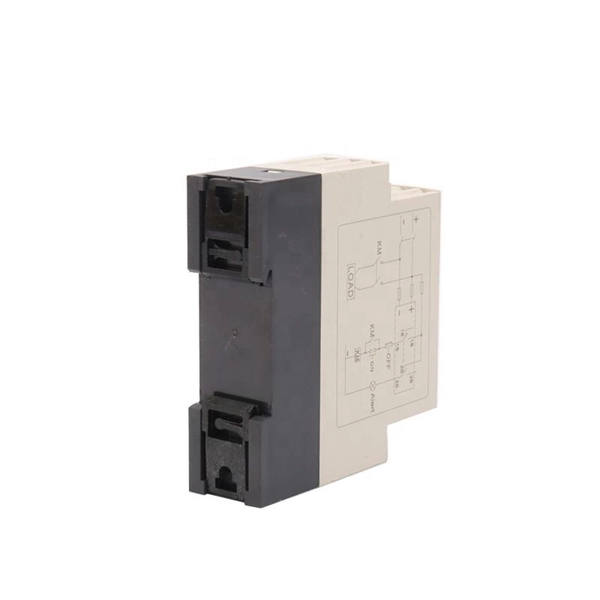
Cable tray small end becomes large
Cable sag results from incorrect spacing of cable tray supports or from employing the incorrect tray type that is, light-duty perforated trays in high-load applications. Complicating the problem are overloaded trays and large unsupported spans. Sagging causes tension at...
[PDF Version]
-
Sealing of Cable Tray Holes in External Walls
In Walls: Use a fire-rated, intumescent caulk or putty for gaps around cables in fire-rated walls. For non-fire-rated walls, silicone caulk provides a flexible, weather-resistant seal. Installing a cable through an exterior wall creates a breach in the building envelope...
[PDF Version]
Continue in the technical library
- What routers are suitable for gigabit fiber optic connections
- How is Huijue s 12-core single-mode fiber optic cable
- Telecommunication Fiber Optic Cable Checker
- How to fix a faulty fiber optic cold connector
- Connect the console of the core switch to fiber optic cable
- Aluminum Alloy Welded Products Cable Trays