
Logical Network Layout For Small Networks Simple Talk
Search optical fiber, connectivity, cable management and network infrastructure references.
- Logical
- Network
- Layout
Articles and technical references
9 on this page-
How to connect a small network rack server
This guide explains smart rack cabling steps that work for homes and small businesses. You will learn layout basics, spacing rules, labeling habits, and grounding steps. Cables plug in, and devices turn on. This guide. How do you figure out the right number of rack units for...
[PDF Version]
-
A small network cabinet can consume several kilowatts
On average, a fully populated and utilized server rack can consume anywhere between 3 kilowatts (kW) to 10 kW of power. This estimate takes into account the power consumption of servers, networking equipment, and associated components within the rack. Identify all the network...
[PDF Version]
-
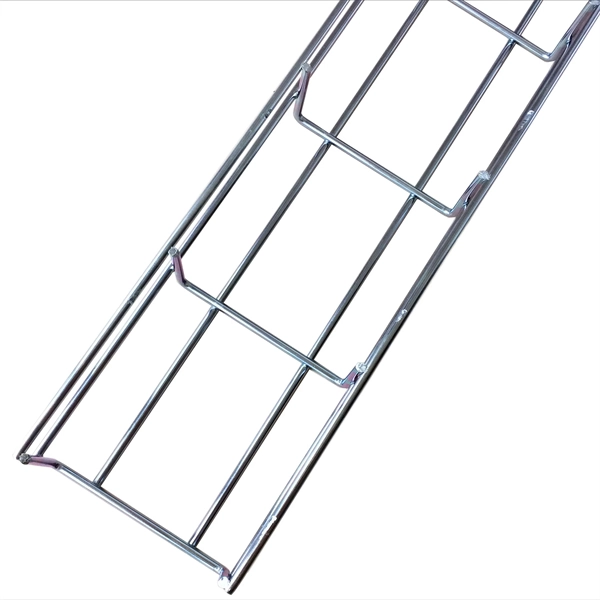
Cable tray small end becomes large
Cable sag results from incorrect spacing of cable tray supports or from employing the incorrect tray type that is, light-duty perforated trays in high-load applications. Complicating the problem are overloaded trays and large unsupported spans. Sagging causes tension at...
[PDF Version]
-
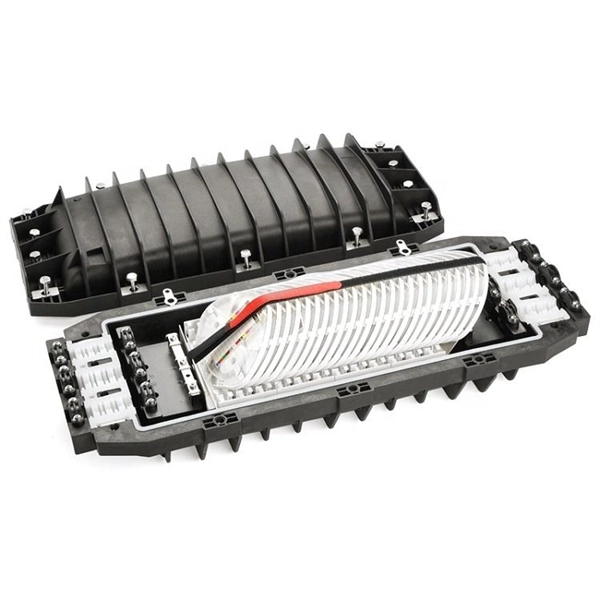
Where is the network interface for the optical splitter
They are typically installed in each optical network between the PON OLT (optical line terminal) and ONTs (optical network terminals) that the OLT serves. Generally, two kinds of fiber optic splitters are popular, which are FBT splitters and PLC splitters. One important note...
[PDF Version]
-
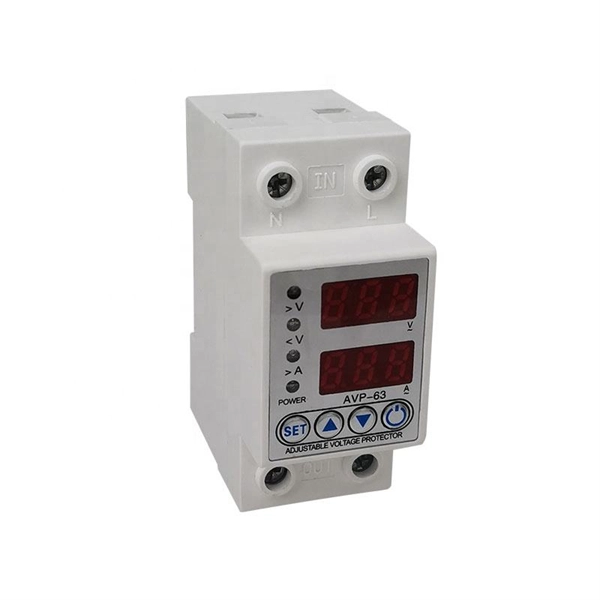
Network rack power in the information center
While a standard rack uses 7-10 kW, an AI-capable rack can demand 30 kW to over 100 kW, with an average of 60 kW+ in dedicated AI facilities. This article provides a condensed analysis of these costs, key efficiency metrics, and optimization strategies. Power distribution...
[PDF Version]
-
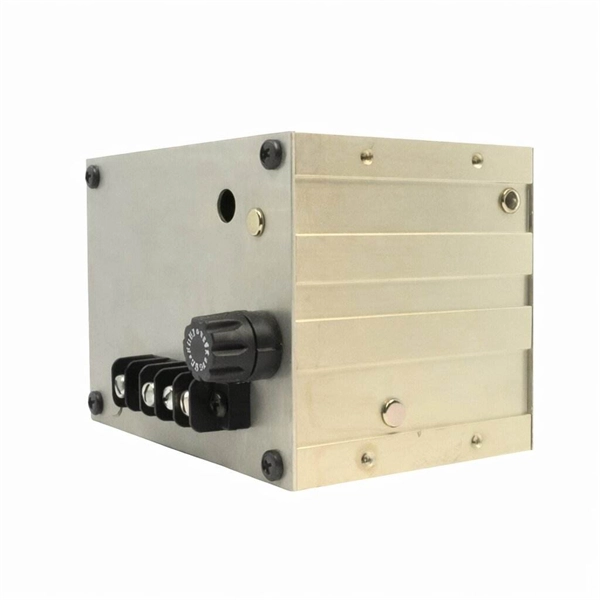
Singapore Network Cable Tray Manufacturer Wholesale
Find and discover Cable Tray manufacturers and suppliers for all products in Singapore, featuring details on their shipment activities, trade volumes, trading partners, and more. Explore a wide range of cable trays from Ferrograte, including perforated, ladder, FRP, and...
[PDF Version]
-
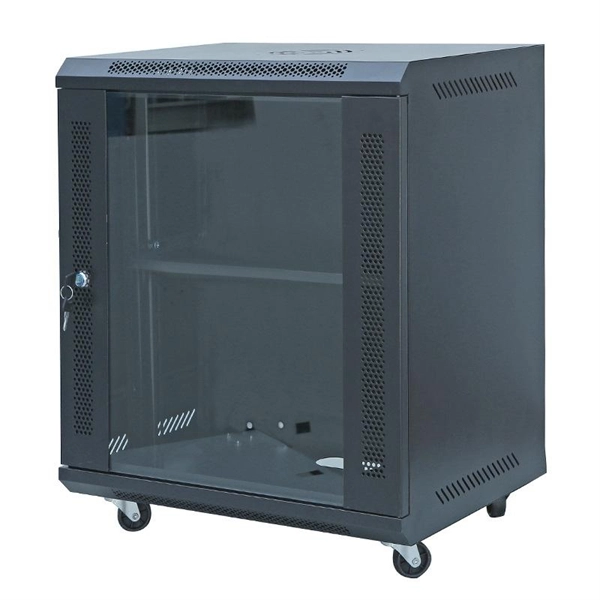
Monitoring Access Network Core Switch
From experience, two monitoring techniques stand out for getting the job done: SNMP (Simple Network Management Protocol) and Network Performance Monitoring (NPM) solutions. What is a Core Switch? A core switch is the primary switch installed at the backbone of a layered or...
[PDF Version]
-
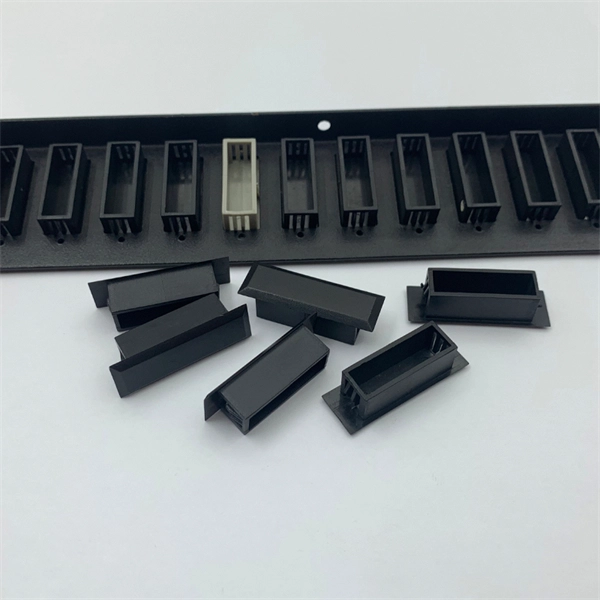
FTTR using Bangladesh Passive Optical Network LPO
In this paper, we propose a FTTR architecture based on two cascaded Passive Optical Network (PONs) to bring the FTTR connectivity within the user premise. We evaluate the benefits of FTTR in terms of end-to-end performance in the context of edge computing deployment. About...
[PDF Version]
-
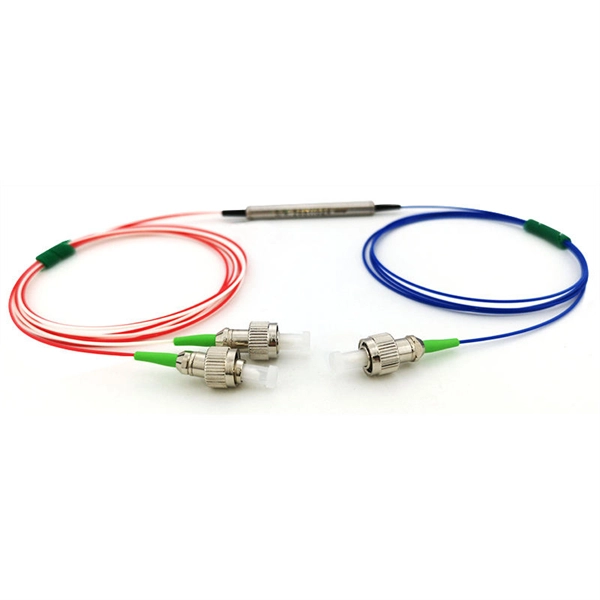
What does a network optical splitter do
Optical splitters are also called fiber optic splitters. They split one light signal into many outputs. These devices do not need power or. A fiber optic splitter is a passive optical component that divides a single incoming optical signal into two or more outgoing signals...