
Technical notes
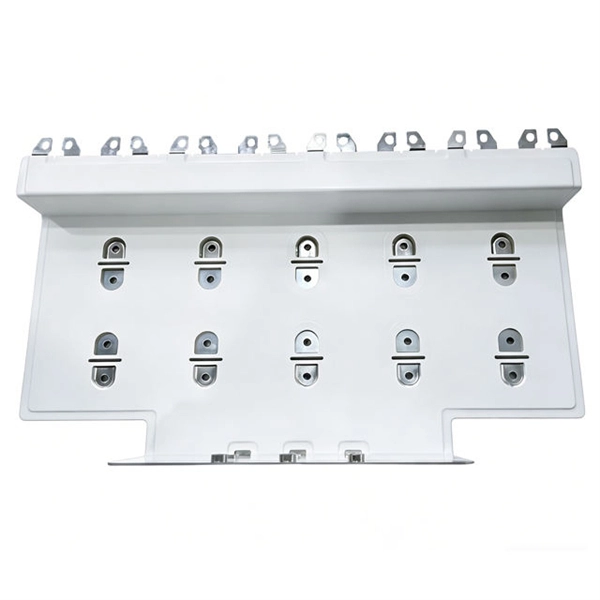
Cable tray
So, whether specifying a major new project, or simply refurbishing existing facilities, choose ABB cable tray to deliver the most effective, reliable and long lasting support for your cabling needs.
Cable Tray Technical Guide A practical guide to product selection and
In designing supports for a cable tray system, consideration should be given to the loads associated with future cable additions and any additional loading that may be applied to the cable tray system (e.g.,
BIM-Based Approach for Low-Voltage Line Design and
This paper presents a novel approach to the use of scripts in low voltage cabling systems, with a particular focus on the automatic routing of
GUIDE CABLE TRAYS TECHNICAL
NEMA VE 1-2017 Specifies requirements for metal cable trays and associated fittings designed for use in accordance with the rules of Canadian Electrical Code, Part I and the National Electrical Code®
Cable Tray
Our Wire Mesh Tray creates a dedicated pathway for all low-voltage and data cables. It is constructed of precision-engineered, high-quality welded steel wire and is the result of decades of
Cable Tray and Reels | Wire and Cable Management
From heavy power cable pathways on oil drilling platforms to data center cabling, explore the cable tray that''s strong yet easy to install. Fast installation with dependable support.
ITER Cabling Handbook
By convention, to avoid any misunderstanding and to simplify the cable tray design and installation, the bending radius for all cable trays and conduits should be at least 300 mm for Low Voltage, Sensitive
Uniklip Cable Tray System | nVent CADDY
The UNIKLIP Cable Tray System is an industry leading continuous cable tray and pathway support solution for today''s high-performance cabling systems. Highly engineered features help ensure a
Cable tray manual
These documents: ANSI/NEMA VE-1, Metal Cable Tray Systems; NEMA VE-2, Cable Tray Installation Guidelines; and NEMA FG-1, Non Metallic Cable Tray Systems, are an excellent industry resource in
WyrGrid Overhead Cable Tray Routing System
The Wyr-Grid® Overhead Cable Tray Routing System has been proven to reduce labor costs by 50% when benchmarked against existing wire basket and ladder rack systems.
Complete cable tray manual for electrical engineers and designers
How to design cable tray? Most projects are roughly defined at the start of cable tray design. For projects that are not 100 percent defined before design start, the cost of and time used in
Cable tray manual
Typical 300 volt insulated multiconductor instrumentation tray cables (ITC) and power limited tray cables (PLTC) cost the same for both cable tray and conduit wiring systems.
A Guide to Installing and Supporting Electrical Cable Trays
A professional guide to installing electrical cable tray systems per NEC Article 392. Covers support, securing cables, and fill calculations.
Types of Cable Trays – Purpose, Advantages, Disadvantages
Cable tray is alternatives to wire ways and electrical conduits, which completely enclose cables. Study types of cable trays, purpose, advantages.
WyrGrid Overhead Cable Tray Routing System
Panduit offers industry-leading Cable Routing Systems as part of comprehensive, integrated Data Center Solutions to effectively manage and protect high-performance communication, computing,
What are Cable Trays & Different Types of Cable Trays
These cable trays are most commonly used for low-voltage cables, telecommunication wires, and fiber optic cables. One of the most prominent advantages of these trays is their light
Low Voltage VS High Voltage Cable Trays
Discover the key differences: Low Voltage VS High Voltage Cable Trays. Learn about their definitions, applications, materials, and more to choose
GUIDE CABLE TRAYS TECHNICAL
In accordance with its continuous impro-vement policy, Legrand reserves the right to change the specifications and illus-trations without notice. All illustrations, descriptions and technical information
Related Video Reference
This video was associated with the source search result. Verify technical details against current product documentation and project requirements.