
Lsolink Optical Transceiver Manufacturing Process
Search optical fiber, connectivity, cable management and network infrastructure references.
- Lsolink
- Optical
- Transceiver
Articles and technical references
8 on this page-
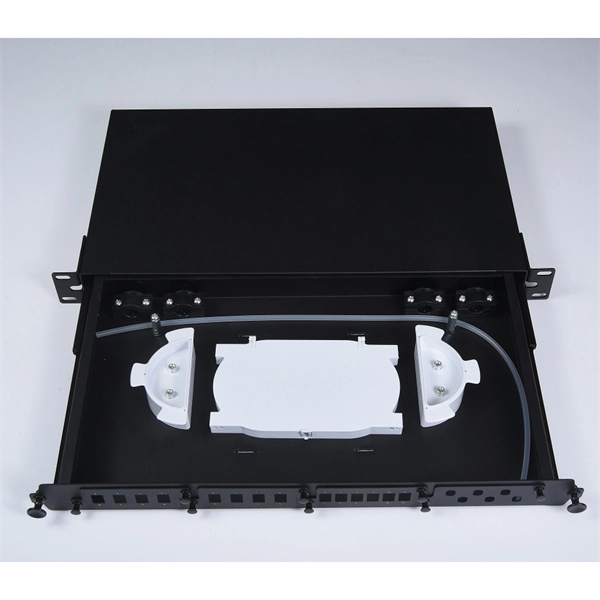
How long does the optical cable acceptance process take
The entire process typically takes 2-6 hours for residential installations when an Optical Network Terminal (ONT) is already present, or 4-6 hours if one needs to be installed from scratch. 1: How long does the fiber optic installation process take? A: The duration varies...
-
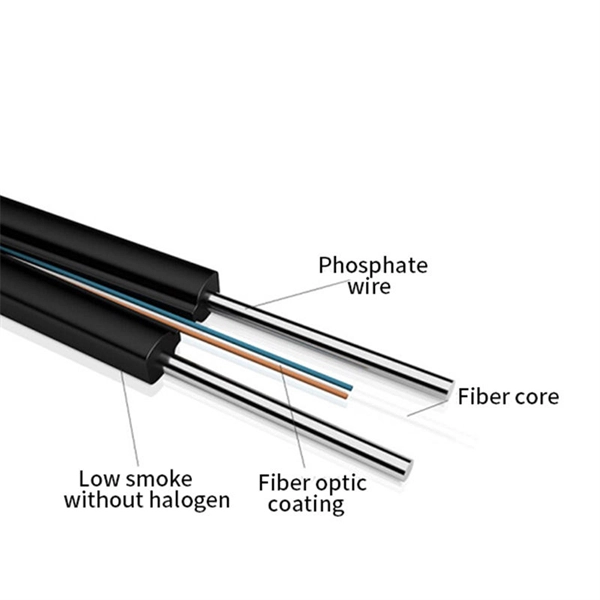
What is the purpose of adding an optical transceiver to a switch
Converting Electrical Signals to Optical Signals: The optical transceiver receives electrical signals from network equipment, such as a router or switch. In simple terms, it converts electrical signals from network devices (like routers or switches) into optical. A fiber...
-
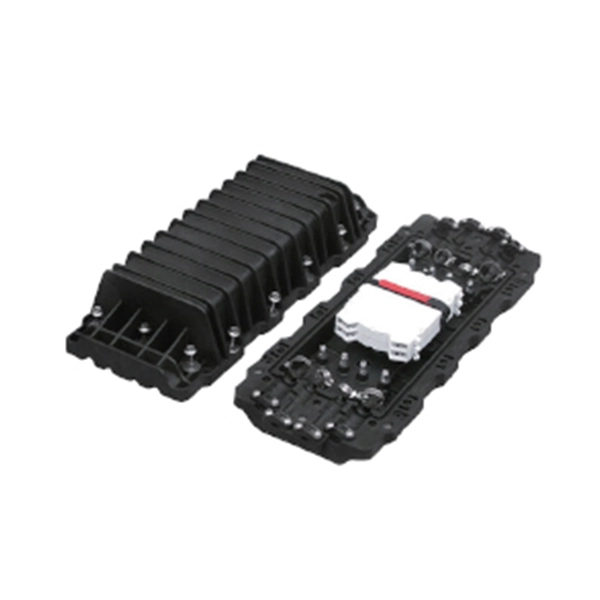
Huijue Optical Module Transceiver
Product Overview & Key Features This 800G OSFP (Octal Small Form-factor Pluggable) optical transceiver is a high-performance module engineered for the next generation of ultra-high-bandwidth networks. Designed for AI-driven data centers and high-performance computing (HPC)...
[PDF Version]
-
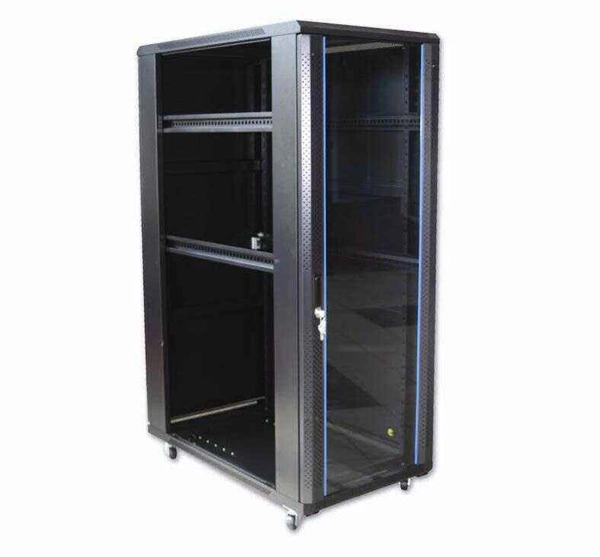
Pipeline fiber optic cable manufacturing process
This production system integrates multiple stages, including fiber pay-off, coloring, buffering, stranding, sheathing, and testing. The manufacturing process of fiber optic cables is a fascinating journey involving cutting-edge technology, precision engineering, and strict...
-
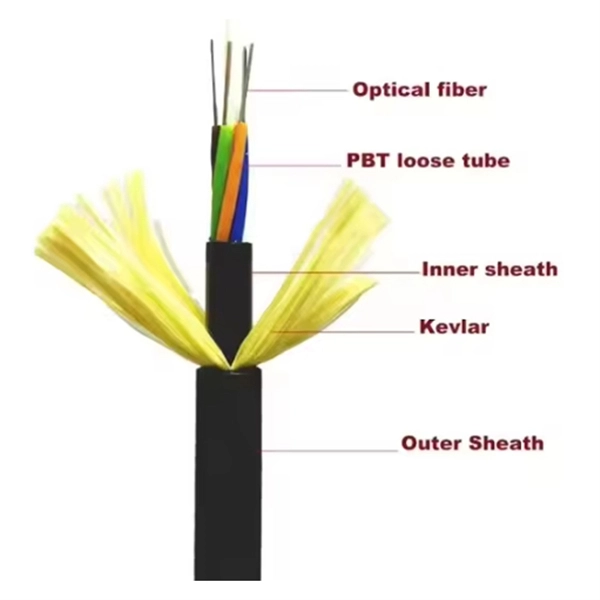
The process of bundled optical cables
Fibre cable bundling involves grouping multiple fibre optic cables together to form a single, cohesive unit. This technique is crucial for enhancing the capacity of data transmission systems. By bundling cables, telecommunications companies can maximise the use of available...
-
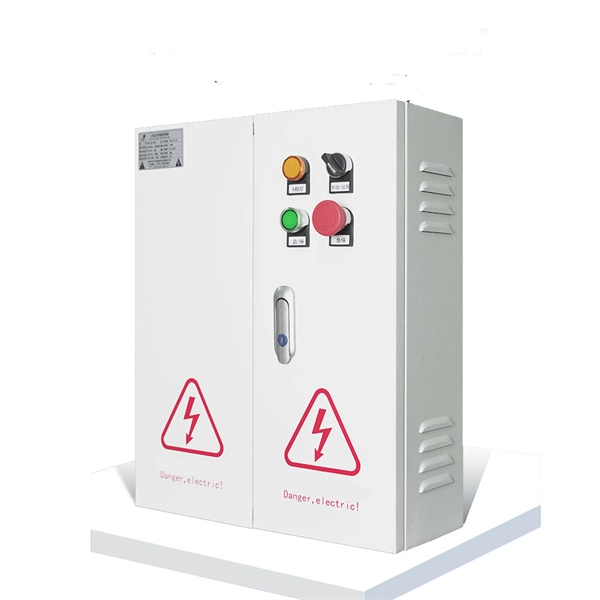
Monitoring of Optical Transceiver Modules
Digital Diagnostic Monitoring (DDM), also known as Digital Optical Monitoring (DOM), is a key feature in modern optical transceivers. It allows real-time monitoring of important operational parameters, helping maintain network performance, detect faults early, and simplify...
-
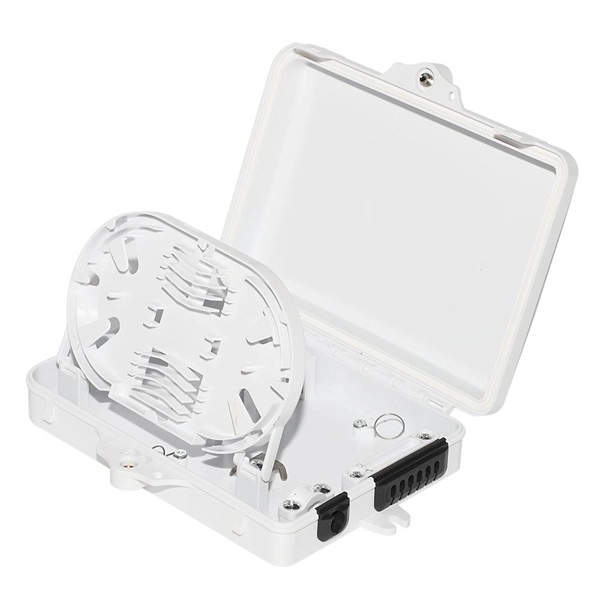
Customization Process for Energy-Saving Optical Power Dividers for Backbone Networks
In this study, the design of photonic crystal power dividers is addressed using a two-stage deep learning strategy with Deep Convolutional Generative Adversarial Networks (DCGANs). The study primarily aims for high-resolution designs compared to the existing methods. This...
[PDF Version]
-
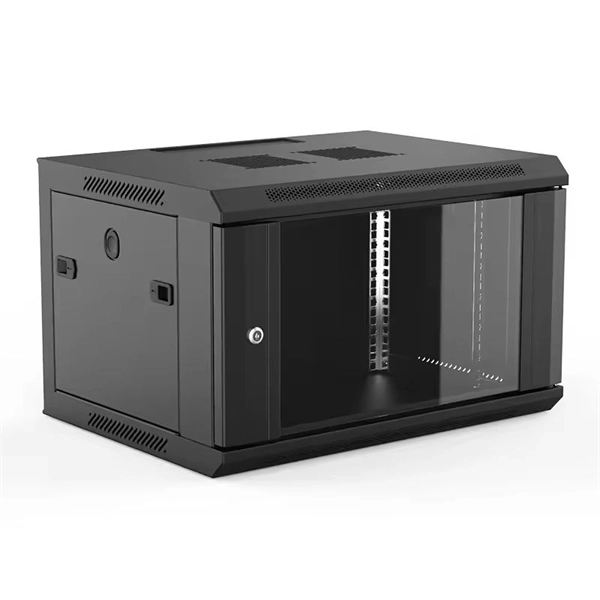
Fiber splicing process for communication optical cables
This guide breaks down the fundamentals of optical fiber splicing, compares fusion and mechanical techniques, explains factors that influence splice loss, and outlines best practices for protection and testing. Fiber optic splicing plays a vital role in modern communication...
[PDF Version]