
Mastering Ellipsometry For Material Analysis
Search optical fiber, connectivity, cable management and network infrastructure references.
- Mastering
- Ellipsometry
- Material
Articles and technical references
9 on this page-

What material is Zhentai cable tray made of
The cable trays consist of a thin metallic plate and electro-welded steel rods. Their construction is based on the international standard IEC 61537, which specifies the requirements for cable tray systems, tests, and specifications. It's strong, durable, and can withstand a...
[PDF Version]
-

Analysis of the disadvantages of fiber optic cable laying
Laying fibre-optic cables is complex, requiring careful planning, precision, and attention to various technical, regulatory and environmental factors. Fibre technology also presents inherent challenges, as the cables tend to be fragile, and signals lose integrity over long...
-
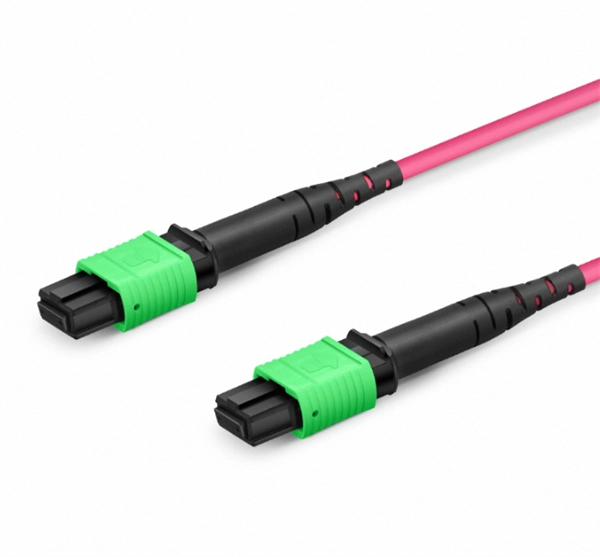
Analysis of the disadvantages of traditional cable trays
Of course, everything has its cons, and that includes cable trays. They can be expensive to install, especially if they need to be custom-made. This brings us back to the discussion of. Advantages and disadvantages of using cable tray: easy installation, ventilation...
[PDF Version]
-
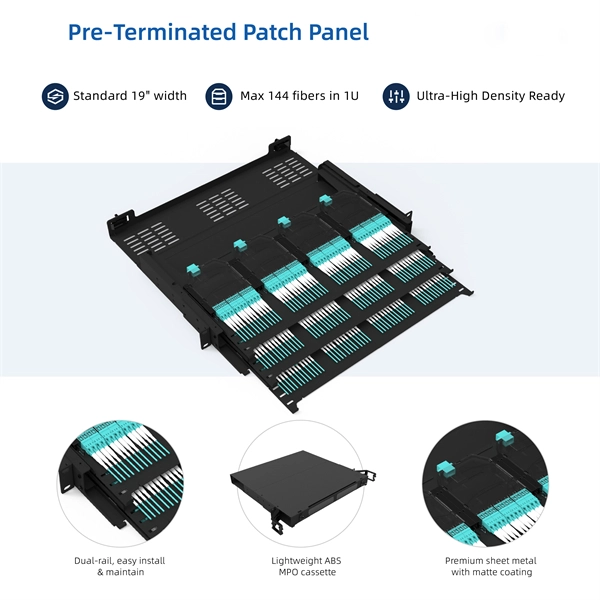
What type of binding material is used for perimeter fiber optic cable laying
From high tenacity polyester binders to para-aramid binders for the highest strength with virtually no shrinkage. With low shrinkage and dual-end options, achieve efficient and reliable results in cable binding applications. Designed for. Binding applications are very common...
[PDF Version]
-
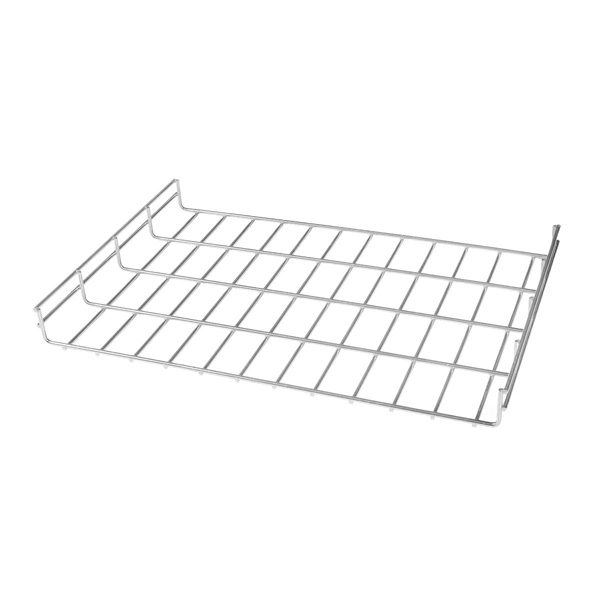
Latest Analysis of CPO Optical Modules
The "Co-Packaged Optics Module (CPO) Market Research Report" provides an in-depth and up-to-date analysis of the sector, covering key metrics, market dynamics, growth drivers, production elements, and details about the leading Co-Packaged Optics Module (CPO) manufacturers...
[PDF Version]
-

Cable tray steel material standards
IEC 61537 is the internationally recognized benchmark for metal cable tray systems. It applies to cable trays made of steel, stainless steel, aluminum, or other metallic materials. The standard ensures these systems can handle the physical and electrical loads they're exposed...
[PDF Version]
-

Spectrometer Analysis of Aluminum Alloys
This standard establishes a comprehensive methodology for the qualitative and quantitative analysis of aluminum and its alloys using optical emission spectroscopy. The innovative optical system covers the entire usable wavelength range to enable selection of the bes tatus...
[PDF Version]
-

What material are the factory s electrical distribution boxes made of
You can find distribution boxes made from various distribution box materials such as steel, aluminum, PVC, polycarbonate, high-density polyethylene, and thermoset plastics like SMC. Each distribution box material has its own special strengths. For example, you may need flame...
[PDF Version]
-

Cable tray white profile material
White cable trays are typically constructed from durable materials such as steel or aluminum and finished with a high-quality powder coating. This coating provides not only the distinctive white color but also added protection against corrosion, scratches, and environmental...
[PDF Version]