
Technical notes
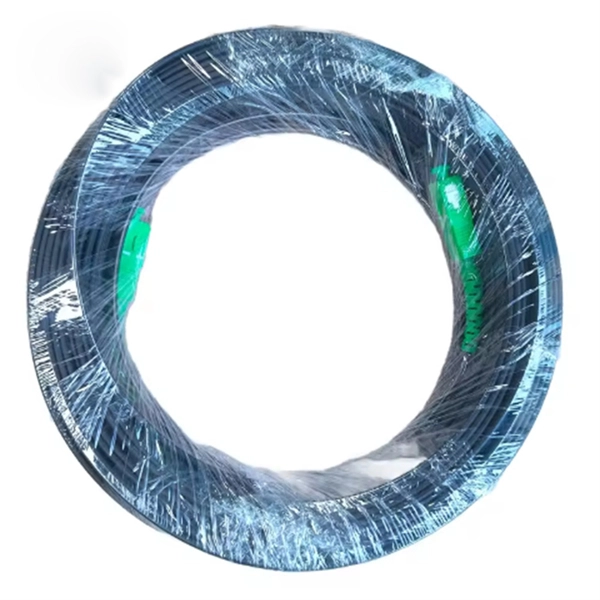
How to Tell if Fiber is Multimode or Singlemode: A Comprehensive
In this in-depth guide, we''ll delve into each of these identification methods, providing you with the practical knowledge and expertise to navigate the world of fiber optics with confidence.
Single Mode vs. Multimode Fiber: Core Differences and Selection Guide
How do you choose between single mode and multimode fiber? Compare their differences in core size, light source, bandwidth, transmission distance, and cost to identify the right application.
How to Tell the Difference Between Single Mode and
Knowing how to tell the difference between single mode and multimode fiber is crucial for network efficiency; the core distinction lies in the
Types of Optical Fibers: Single-Mode vs. Multimode, Applications and
Types of optical fibers, their applications and future trends is the topic of this blog article. Optical fibers are among the most transformative technologies in modern photonics, quietly enabling
Single Mode vs. Multimode Fiber Optic Cables
There are two main types of fiber optic cables: single mode and multimode. Although they can do the same job in some instances, the different construction methods make each of them better
Multimode vs Single Mode Fiber Optic Cables: A Complete Guide to
Learn the differences between multimode (OM1-OM5) and single mode (OS1-OS2) fiber optic cables—speed, distance, applications, and how to choose the right one for data centers and
How to distinguish whether an optical fiber module is single-mode or
Correctly distinguishing single-mode and multi-mode optical modules is critical for matching fiber patch cords,ensuring transmission stability,and avoiding network failures.
Optical Access Architecture Reference Document: Single-Mode vs
deployment of optical fiber infrastructure within carrier-grade and enterprise nalysis of Single-Mode Fiber (SMF) and Multi-Mode Fiber (MMF) technologies, d respective physical layer characteristics,
Singlemode vs Multimode Fiber Optic Cable
We breakdown the differences between single mode and multimode fiber optic cable, covering aspects like physical structure, bandwidth over distance, and typical integration in networks.
Fiber Optic Cable Types | Omnitron Systems Guide
Explore fiber optic cable types, features, and applications. Omnitron Systems explains single-mode, multi-mode, and specialty fiber solutions.
Single Mode vs Multimode Fiber Explained | TRG
Understand the difference between single mode and multimode fiber, including performance, cost, and use cases, to choose the right fiber for your network.
Single Mode vs Multimode Fiber, What is The
Learn the key differences between single mode vs multimode fiber cables and choose the right one for your fiber optic system.
Fiber Optic Cable Types Explained
Our comprehensive guide to types of fiber optic cables. Learn all about the differences between single mode and multimode cables, as well as the various fiber wavelengths and standard core sizes used
Singlemode vs. Multimode Fiber Optics: Which is Better for You
Singlemode fiber has much lower attenuation and dispersion than multimode fiber, making it suitable for longer distances and higher bandwidth applications. Singlemode fiber is commonly
Fiber Optic Cable Types – Multimode and Single Mode
Single Mode fibers are identified by the designation OS or Optical Single-mode Fiber. Single Mode cable has a much smaller core (8-9um) than multimode cable and uses a single path (mode) to carry the light.
Fiber Optic Cabling
Fiber optics are a critical component of modern communication networks, providing high-speed data transmission over long distances. When it comes to fiber optics, there are two primary
Single Mode vs. Multi Mode Fiber: Key Differences Explained
Explore the differences between single mode and multi mode fiber optics. Understand their dimensions, transmission rates, attenuation, applications, and pros and cons.
Modes of Propagation in Optical Fiber
In this situation, the ratio of core diameter to multimode fiber diameter is smaller. Single-Mode Propagation One of the most distinctive features of single-mode fibers is their minimal
Related Video Reference
This video was associated with the source search result. Verify technical details against current product documentation and project requirements.