
Installing SFP and SFP+ Transceiver Modules
SFP transceiver modules can have three types of latching devices to secure an SFP transceiver module in a port socket: •Figure 4 shows an SFP trans...
Search optical fiber, connectivity, cable management and network infrastructure references.
A fiber fast connector, also known as a mechanical splice or cold connector, is a field-installable connector that terminates fiber optic cables without requiring a fusion splicer. It uses pre-installed index-matching gel or mechanical clamping to align the bare fiber with a...
FASTConnect® connectors are compatible with 250 µm and 900 µm optical fibers, as well as 900 µm, 2 mm and 3 mm cordage. All primary fiber types are supported, and each connector is color coded per industry-standard requirements to aide in identification during and after. Meta...
[PDF Version]
An MPO cassette patch panel takes a high-density MPO connector in the rear and “breaks it out” into multiple duplex connectors on the front, typically LC. This article explains what Duplex LC connectors are, how they work, the difference between single-mode and multimode use...
[PDF Version]
Fiber optic cable assemblies are essential components in modern fiber communication systems, designed to transmit data efficiently over long distances. These assemblies typically consist of an optical fiber, a reinforcement strand for added support, and various fiber optic...
Active Optical Cables (AOCs) are high-speed interconnects that combine optical fiber with integrated transceiver modules at each end. An AOC resembles a standard cable assembly (e., QSFP or SFP form factor), but internally, it converts electrical data into laser light and...
[PDF Version]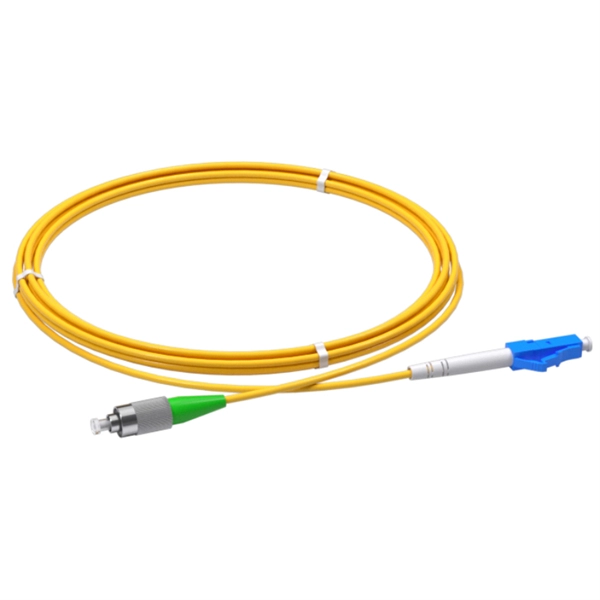
This comprehensive guide breaks down the internal structure, core components (TOSA, ROSA, lasers), and operational mechanisms of SFP optical modules, enriched with technical insights and real-world applications. SFP (Small Form-factor Pluggable) is a compact, hot-pluggable...
[PDF Version]SFP transceiver modules can have three types of latching devices to secure an SFP transceiver module in a port socket: •Figure 4 shows an SFP trans...
If you are removing an SFP or SFP+ transceiver module, follow these steps: Step 1 Attach an ESD-preventive wrist strap to your wrist and to the ESD...
For information on obtaining documentation, submitting a service request, and gathering additional information, see the monthly What's New in Cisco...
The output box can slide into a battery contact socket and provide an output cable with 2 wires: red wire is +36V, black wire is ground. Please note that this battery output box is designed for BiXPower batteries. Price and other details may vary based on product size and...
[PDF Version]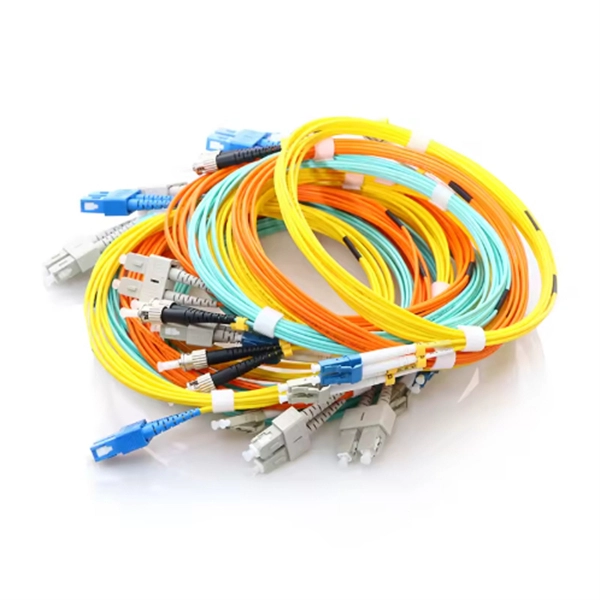
Pre-terminated MTP® modules provide a low loss transition from trunk cables to duplex patch cords. All modules are manufactured using enhanced optical fiber and low loss connectors. By only utilizing low loss connectors on both the standard LC connectors and the MTP Elite Low...
[PDF Version]
Emergency connection, also known as cold splicing, uses mechanical and chemical methods to fix and bond two fibers together. This method is quick and reliable, with typical attenuation ranging from 0. In this article, we will. Active connection utilizes various fiber optic...
[PDF Version]
Fiber optic termination boxes provide a secure and organized solution for protecting and distributing fiber connections in FTTH, FTTB, and small network deployments. Designed as a compact enclosure, they support both cable splicing and termination while ensuring safe access...
This kind of Field Assembly Optical Connector is designed for fast and simple field termination of single fiber, without polishing or epoxy. ”. The SC/UPC fast connector are factory pre-polished, field-installable connectors that completely eliminate the need for hand...
[PDF Version]Share the fiber interfaces, termination capacity, cable route and evidence required for handover.