
Mode Multiplexing And De Multiplexing Using Few Mode Tilted Fiber
Search optical fiber, connectivity, cable management and network infrastructure references.
- Mode
- Multiplexing
- Using
Articles and technical references
9 on this page-
FTTR using Bangladesh Passive Optical Network LPO
In this paper, we propose a FTTR architecture based on two cascaded Passive Optical Network (PONs) to bring the FTTR connectivity within the user premise. We evaluate the benefits of FTTR in terms of end-to-end performance in the context of edge computing deployment. About...
[PDF Version]
-
What should be considered when using industrial switches
In the pursuit of selecting the most suited industrial switches, several factors must be taken into account. Research reveals that understanding application compatibility, environmental conditions, and performance ratings are crucial in this decision-making process. Generally...
[PDF Version]
-
G653 is not suitable for dense wavelength division multiplexing
G653 dispersion is 0 at 1550nm, not suitable for WDM system. Since the Dispersion compensation technology are improved for. In fiber-optic communications, wavelength-division multiplexing (WDM) is a technology which multiplexes a number of optical carrier signals onto a...
-
Can optical modules be connected and plugged in using patch cables
Fiber optic connectors in SFP modules are the physical interfaces that connect the transceiver to fiber patch cables, enabling optical signal transmission between network devices. Most SFP fiber optic modules use LC connectors, while SC connectors are mainly found in legacy...
[PDF Version]
-
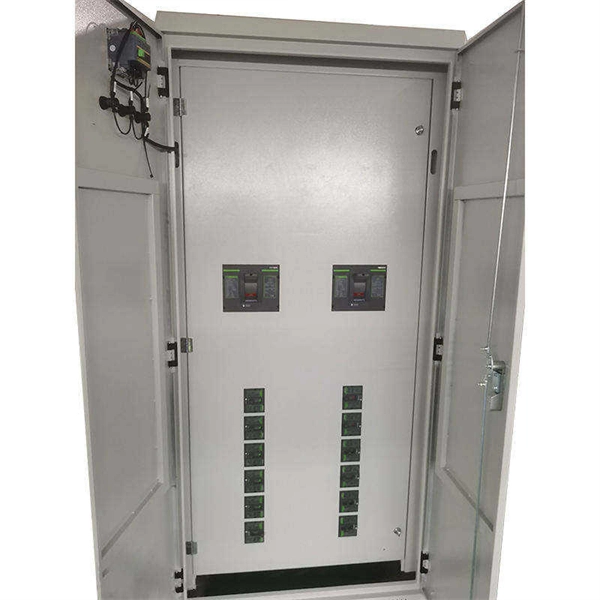
Purpose of using industrial switches
Industrial switches are specialized networking devices designed to operate in harsh environments, providing reliable communication and data transfer between various devices in industrial settings. The demand for industrial switches is also growing. From this article, you will...
-
Huijue Wavelength Division Multiplexing
In fiber-optic communications, wavelength-division multiplexing (WDM) is a technology which multiplexes a number of optical carrier signals onto a single optical fiber by using different wavelengths (i.e., colors) of laser light. This technique enables bidirectional...
[PDF Version]
-
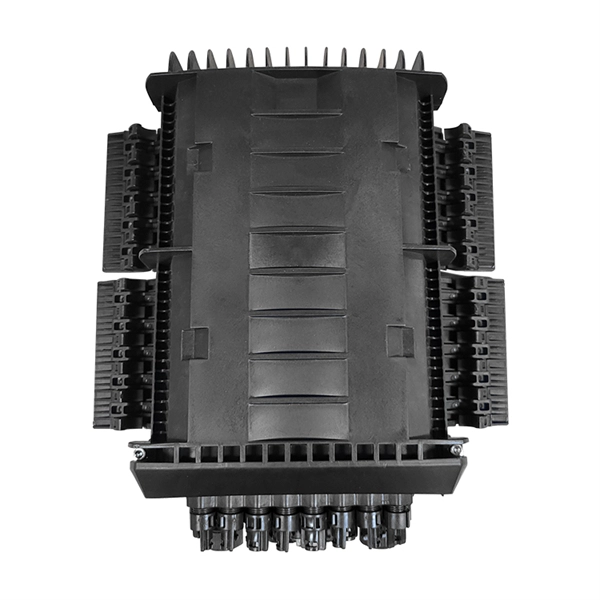
Principles of using beam splitters
Explore the precision, applications, and design principles of beam splitters, essential for advancements in scientific research and technology. Beam splitters are integral optical components that divide a beam of light into two or more separate beams.
-
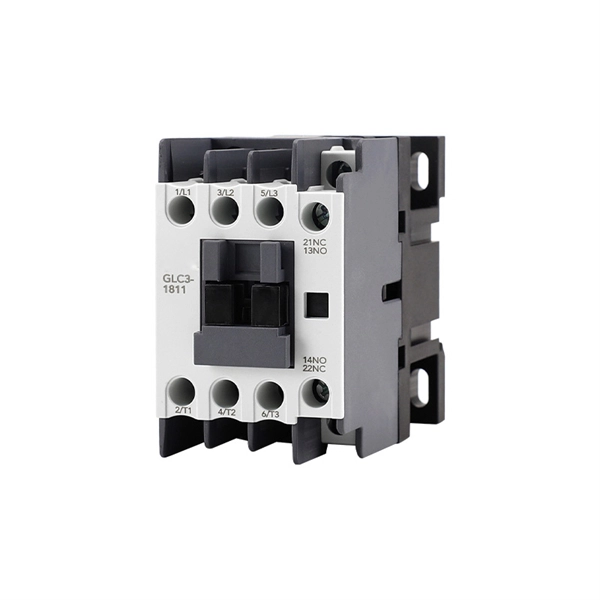
Advantages of Wavelength Division Multiplexing Reduced Power
CWDM Advantages: · Cost-Effectiveness: Lower upfront costs for hardware and installation. The problem arises when the demand for bandwidth in a fiber optic network exceeds the current capacity, WDM helps in expanding the capacity of a fiber optic network without requiring...
[PDF Version]
-

Fiber optic convergence wavelength division multiplexing
Wavelength division multiplexing (WDM) is a technology for increasing the transmission capacity of optical fiber communications by sending multiple data channels simultaneously through a single fiber, each on a different wavelength of light. This technique enables...