
Motor Differential Protection Working Principle Function And Setting
Search optical fiber, connectivity, cable management and network infrastructure references.
- Motor
- Differential
- Protection
Articles and technical references
11 on this page-
Working principle of power relay protection
A protective relay operates by continuously monitoring electrical parameters, detecting abnormalities, making decisions, and triggering circuit breakers to isolate faulty sections. This process helps protect equipment, maintain power system stability, and ensure safety for. A...
[PDF Version]
-
Elevator Relay Protection Working Principle
CIT Relays and Switches for the Elevators, Escalators, and Other Relay Logic: In traditional systems, relays are used to implement control logic for elevat.
[PDF Version]
-
Working principle of relay protection
Protective Relays: Types, Working Principle & UsesWhen the relay determines that a condition exceeds its settings or logic requirements, it sends an output.
[PDF Version]
-
Fiber Optic Cable Loop Protection Principle
Loop Guard is an STP feature designed to prevent Layer 2 loops, particularly those caused by unidirectional link failures. It monitors BPDU activity on non-designated upstream ports (Root and Alternate). A fibre loop, also known as a fiber optic loop, is a network...
[PDF Version]
-
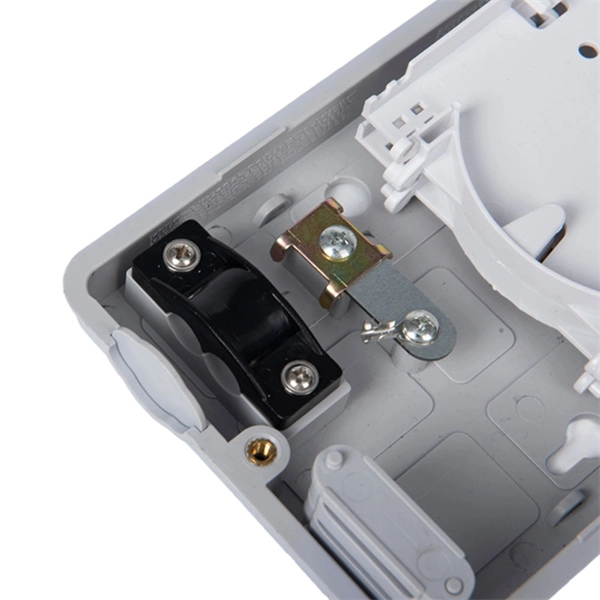
Function of Optical Cable Protection Terminal Box
Optical terminal box is used to complete the lead-in, fixing and stripping protection of optical cable, optical fiber splicing and protection, storage of pigtails and other functions. It is a crucial component in fiber optic networks, primarily used for terminating...
-
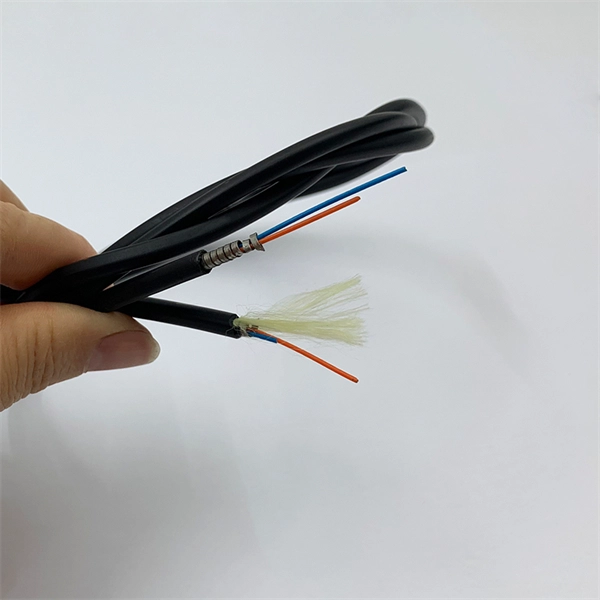
Is tripping based on the principle of relay protection
A protective relay is an intelligent electrical device designed to detect faults in power systems and initiate corrective actions such as tripping a circuit breaker. The protection relay tripping circuit refers to the critical electrical control loop that executes trip/close...
-
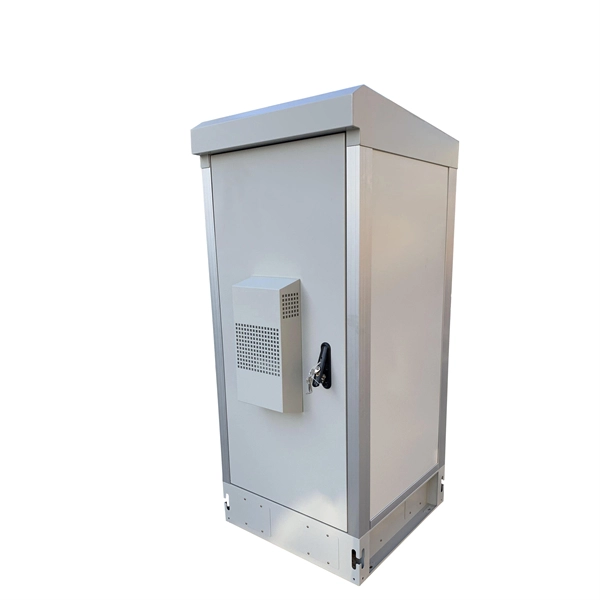
Working principle of SC fiber optic connector
Inside the SC fiber cable connector, the glass core of the fiber is aligned precisely. This allows light signals to travel cleanly from one cable to another. SC connectors are used with both single-mode and. SC fiber connectors, or Subscriber Connectors, are widely used in...
-
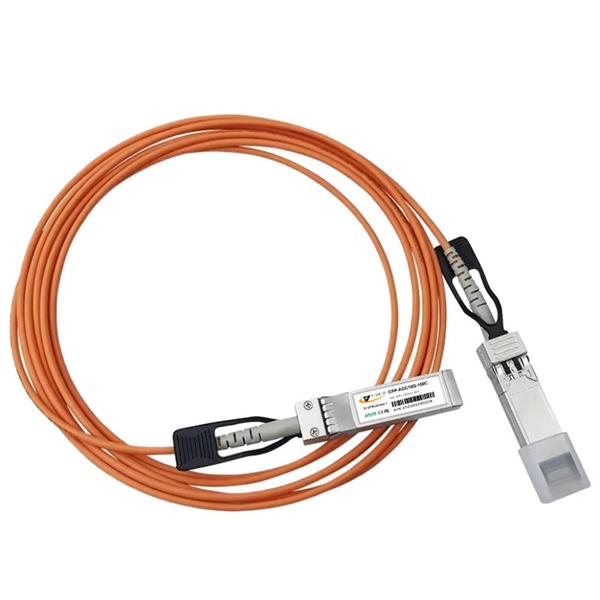
Working principle of optical fiber and cable
The fundamental working principle of an optical fiber is Total Internal Reflection (TIR). When a light ray enters the fiber, it strikes the boundary between the core and the cladding at an angle of incidence greater than the critical angle. When we make a quick phone call...
[PDF Version]
-
Principle of Transformer Relay Protection
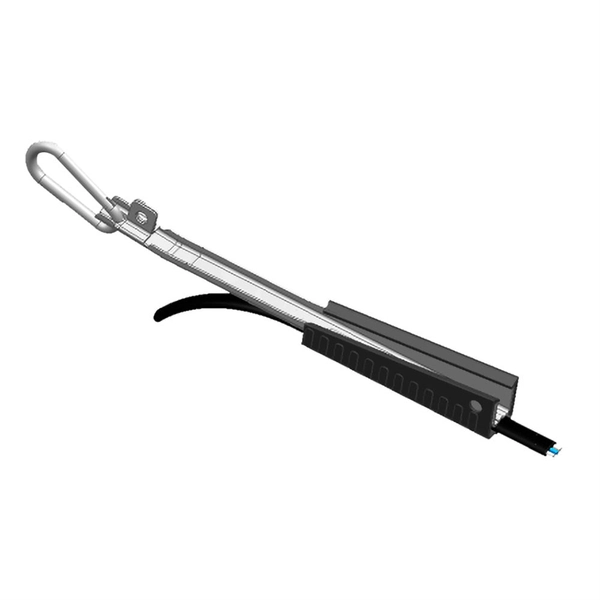
The Transformer Differential Protection Relay is a primary protection for power transformers. Its universal ANSI/IEEE device function number is 87T. It quietly handles high loads, stabilizes voltage, and keeps critical operations running. But when a transformer overheats...
[PDF Version]
-
32-connection busbar differential protection
The high-impedance differential relay scheme is one popular method we use for busbar protection. Busbar protection (BBP): Protection intended to detect and operate to clear faults on a busbar. Current Differential Protection: This protection method connects CT secondaries in...
[PDF Version]
-
Working principle of fiber optic collimator mirror
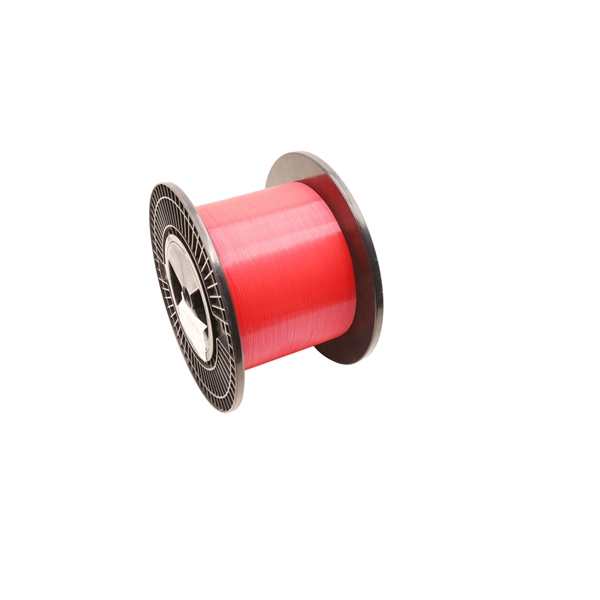
The basic working principle is that the fiber's end face is placed at or near the focal point of a lens. Light exiting the fiber spreads out; if positioned correctly relative to the lens, the lens converts that diverging cone into a beam with minimal divergence (a collimated...
[PDF Version]