
Technical notes
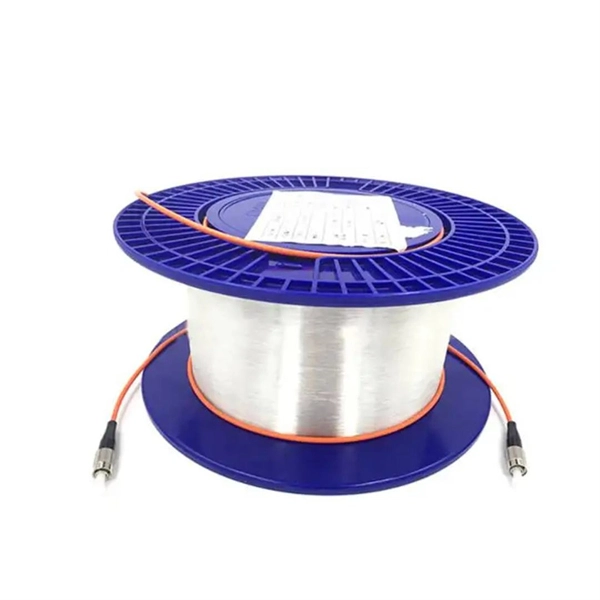
Single Mode vs. Multimode Fiber: Core Differences and Selection Guide
How do you choose between single mode and multimode fiber? Compare their differences in core size, light source, bandwidth, transmission distance, and cost to identify the right application.
Types of Optical Fibers: Single-Mode vs. Multimode,
Understanding the differences between single-mode, multimode, and specialty optical fibers, along with their manufacturing constraints and emerging
Key Differences Between Single-Mode and Multimode Optical Modules
Compare single-mode and multimode optical modules by core size, distance, speed, and cost. Choose the right module for your network''s needs.
Single Mode vs. Multimode Fiber Optic Cables
There are two main types of fiber optic cables: single mode and multimode. Although they can do the same job in some instances, the different
Single-Mode Vs Multimode Optical Modules: Detailed
Is your data center or campus network best served by Single Mode or Multimode Optical Modules? Choosing between Single Mode and Multimode Optical
Single-Mode vs Multi-Mode Compatibility — Guide, Best
Learn how single-mode and multi-mode transceivers differ, compatibility rules, testing tips, and best practices for reliable fiber deployments.
Optical Access Architecture Reference Document: Single-Mode vs
deployment of optical fiber infrastructure within carrier-grade and enterprise nalysis of Single-Mode Fiber (SMF) and Multi-Mode Fiber (MMF) technologies, d respective physical layer characteristics,
The Key Differences Between 1-core, 2-core, Single Mode, and Multi
Understanding 1-core, 2-core, Single Mode, and Multi-mode optical modules helps you design efficient networks. Whether you''re working on long-distance telecom systems or setting up
Single-mode vs Multimode SFP 2026: Fiber Types and distances
A guide to single-mode vs multimode SFP modules. Covers fiber types, wavelengths, distances, BiDi, CWDM/DWDM, SMF vs MMF selection, and application scenarios.
The Difference Between Single-mode and Multi-mode Optical Modules
When using single-mode optical modules, you need to pay attention to the cleanliness of the optical fiber interface to avoid dust and dirt from affecting signal transmission. At the same time, the bending
Single Mode vs Multimode Fiber, What is The
Learn the key differences between single mode vs multimode fiber cables and choose the right one for your fiber optic system.
The Merits of Single-Mode vs. Multimode Fiber Optics
In the communications sector, short-distance connections, as required in a data center, benefit greatly from optical fibers. But what is best, single-mode or
Understanding Single-mode and Multi-mode SFP Optical Modules
A:SFP single-mode optical modules and SFP multi-mode optical modules are incompatible. If you mix SFP single-mode optical modules and SFP multi-mode optical modules, it may cause problems such
Differences in Application Scenarios between Single-Mode and
Single-mode and multi-mode optical modules have different applications in the field of optical fiber communication. When choosing optical modules, users should consider the
Single Mode vs Multimode Fiber Cable: Difference & How to Choose
Learn the complete differences between single mode and multimode fiber optic cables, including distance, core size, wavelength, cost, and best applications.
Single-Mode Vs Multimode Optical Modules: Detailed
Both Single Mode and Multimode Optical Modules commonly use LC, SC, and MPO/MTP connectors. Multimode MPO assemblies are widely used for 40/100G
Singlemode or Multimode Fiber
Singlemode cables can be to carry data across several miles (or more). 2. The Upfront Investment Required Although many factors play a role in determining the cost of a fiber optic
Fiber Optic Cable Types – Multimode and Single Mode
Application Fiber Optic connectors and cables are present in nearly every communications project that we might sell into, be it a DAS installation or a Base Station with wireless backhaul, you can be
Related Video Reference
This video was associated with the source search result. Verify technical details against current product documentation and project requirements.