Skip to content
AK OPTICALSystems Send a project enquiry
Reference library

Network Rack Cabling Methods

Published
  • Network
  • Rack
  • Cabling
Source context

AI source overview

Effective network rack cabling relies on structured, organized, and labeled routing using horizontal and vertical management systems to ensure performance, safety, and maintainability.

Structured Cabling Principles

Structured cabling in network racks involves planning, securing, and documenting all data and power cables to create a reliable and maintainable system. Proper cabling ensures smooth airflow, prevents overheating, reduces electromagnetic interference, and simplifies troubleshooting and future upgrades. Key principles include: Separation of power and data cables to prevent interference.

Avoiding tight bundling, especially for high-power PoE++ devices, to reduce heat buildup. Maintaining proper bend radius for fiber and copper cables to prevent signal degradation. Labeling both ends of each cable with unique identifiers for easy identification and maintenance.

Cable Management Components

Modern network racks use a combination of hardware and organizational tools: Horizontal Cable Managers: Organize patch cables at device ports, keeping the front of the rack neat. Vertical Cable Managers: Centralize trunk cables and optimize routing paths along the sides of the rack. Cable Rings, Trays, and Ladders: Layer cables to reduce entanglement and crossing, improving airflow and accessibility.

Velcro Straps and Bundling Systems: Secure cables without damaging them, allowing for easy adjustments. Patch Panels: Consolidate multiple network ports, enabling a “sandwich” layout (Patch Panel → 1U Cable Manager → Switch) for organized connections. Cabling Methods and LayoutsTop-to-bottom routing: Run vertical trunk cables along the sides of the rack to minimize crossing and maintain airflow.

Front-to-back patching: Connect devices to patch panels using short, standardized-length cables (e.g., 6-inch patch cables) to reduce clutter. Loose bundling for PoE++ devices: Follow TSB-184-A standards to prevent overheating in high-power deployments.

Fiber and DA

C uplinks: Use SFP+/DAC or LC-LC fiber for switch-to-switch connections to reduce latency and heat compared to copper RJ45 cables.

Documentation and Labeling

Label all cables and ports clearly using industrial-grade labels or wrap-around markers. Document cable paths and connections digitally using software like Docusnap to visualize flows and maintain compliance with standards such as DIN EN 50173 and EMC guidelines. Plan for future growth by leaving extra U-space and considering deeper racks for modern equipment.

Best Practices Summary

Plan rack depth and layout according to equipment size and heat generation. Minimum 24" depth for floor racks is recommended. Separate power and data cables to prevent interference.

Use horizontal and vertical cable managers to maintain organized routing. Label and document all connections for easy maintenance. Avoid tight bundling, especially for high-power PoE devices, to ensure proper thermal dissipation.

Use short, standardized patch cables and structured layouts to reduce clutter and improve airflow. Consider fiber or DAC connections for high-speed uplinks to reduce heat and latency. By following these methods, network racks can achieve efficient, safe, and scalable cabling, supporting both current and future network infrastructure needs.

Research context

Reference summary

Network Rack Cable Management: Guide, Software & TipsImplement cable management in the server rack correctly: step-by-step instructions, legal requirements.

From reference to enquiry

Questions for your project

Use these editorial prompts alongside the linked excerpts. They identify items to confirm for your project.

Technical notes

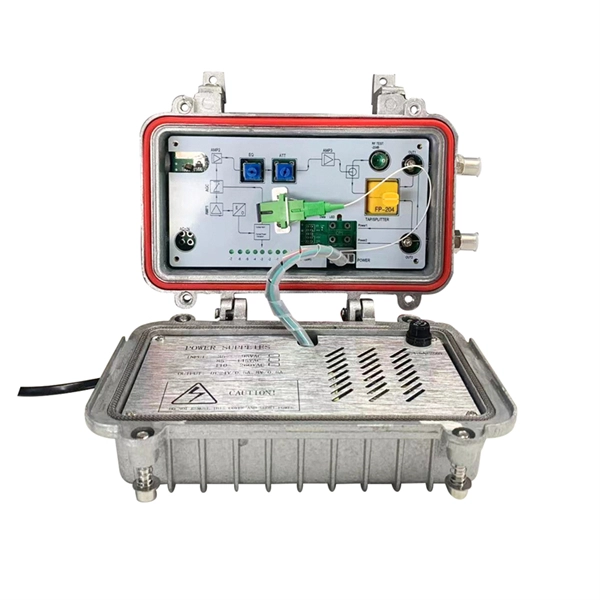
Illustrative equipment image

Network Rack Cable Management: Guide, Software & Tips

Implement cable management in the server rack correctly: step-by-step instructions, legal requirements & more.

How To Wire a Server and Network Rack | Tips & Best

Discover rack unit sizing, cable management, labeling, bonding, and grounding for optimal performance and reliability.

Network Rack Cable Management: 2026 Standards

2026 Guide to Network Rack Cable Management. Includes Rack Unit Calculator, PoE++ thermal planning, Grounding safety, and Cat6A vs Cat6

Server Rack Cable Management: Best Practices and Comprehensive

Master server rack cable management with best practices for organizing power and network cabling using vertical/horizontal managers, patch panels, labeling, service loops, and routing standards to

APPLYING PROPER CABLE MANAGEMENT IN IT RACKS

Network cabinets house network switches and patch panels. These cabinets have the highest concentration of cabling in the data center, making patch cord management even more critical and

Network Cable Management: Complete Guide

What Is Network Cable Management? Network cable management encompasses the systematic organization, routing, and securing of data cables,

Network Cable Management: Types, Benefits, and Best Practices for

Network cable management encompasses the tools, techniques, and infrastructure used to organize, protect, and route network cables (e.g., Ethernet, fiber optic, coaxial). At its core, it aims

Network Cable Management & Organization Guide

Server rack cable management — high tech, high demand Rapidly evolving technology and more investment in digital strategies have put pressure on the

Server Rack Cable Management: Types, Components, and Best

Server racks use different cable routing methods to keep connections organized and accessible. The two primary approaches are horizontal and vertical cable management. Let''s look at

Planning Effective Power and Data Cable Management in IT Racks

Executive summary Poor rack cable management has proven to many data center operators to be a source of downtime and frustration during moves, adds and changes. It can also lead to data

Tips and Guide for Server Rack Cable Management

Proper server cable management tips is the absence of tangles in the wires and a pleasant appearance of their neat and thoughtful laying. Server rack cable

Network Rack Installation 101 – VCELINK

Master server and network rack setups effortlessly with easy steps, pro tips, and best practices for beginners, DIYers, and pros!

Networking Rack Guide: Organizing Your Devices

Explore the essentials of networking racks: organizing tech with accessories, cable management solutions, and space-saving strategies.

Server Rack Cable Management Examples

Get your cables in order with the following server rack cable management examples. Learn how cable management can benefit you and your business today.

Network Cable Management Guide: Best Practices and

Horizontal cable management is the most commonly used cable management method. The cables are often organized on the rack front, placed in

Server Rack Configuration and Cable Management

Network cable management is the utmost importance to efficiency, airflow, equipment longevity, and more. But what about on managing cables on

Organising and wiring a rack cabinet: a complete guide

How to choose, organise, and wire a company rack cabinet to create an efficient, ordered and safe network. Best practices and component guide

Network Cable Management: Complete Guide

Master network cable management with this complete guide. Learn best practices, tools, and tips to keep your setup organized, efficient, and easy to

Related Video Reference

This video was associated with the source search result. Verify technical details against current product documentation and project requirements.

Share your network requirements

Share the fiber interfaces, termination capacity, cable route and evidence required for handover.

Send a project brief