
How can one identify a broken fiber optic cable?
To identify a broken fiber optic cable, start by performing a visual inspection for any physical signs of damage, such as bends, cracks, or breaks...
Search optical fiber, connectivity, cable management and network infrastructure references.
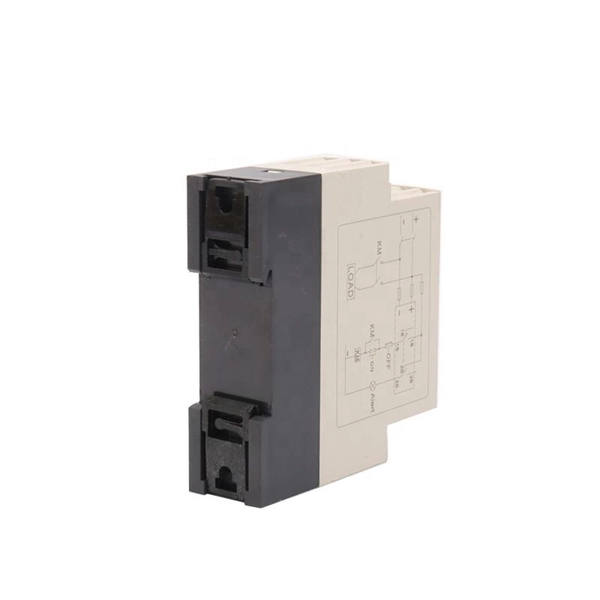
Cable sag results from incorrect spacing of cable tray supports or from employing the incorrect tray type that is, light-duty perforated trays in high-load applications. Complicating the problem are overloaded trays and large unsupported spans. Sagging causes tension at...
[PDF Version]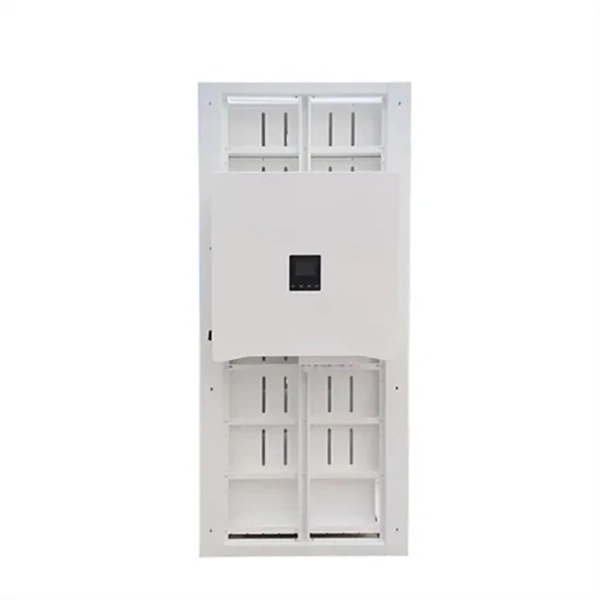
Cable trays are installed by anchoring brackets or threaded rods to solid surfaces on the tunnel wall or the ceiling of the tunnel, with modular sections that can be adjusted to follow the path and slope of the tunnel. Cable trays provide a support structure to lay out cables...
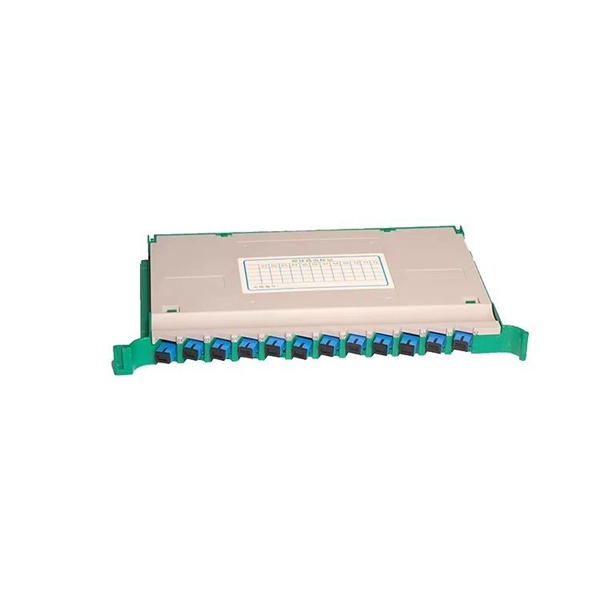
Any minute dirt on the connector end face may affect the network transmission rate. This article should teach you how to clean fiber-optic. Dirt, oil, fingerprints or a combination of these on the end face of the fiber will potentially ruin your day. To make matters worse, if...
[PDF Version]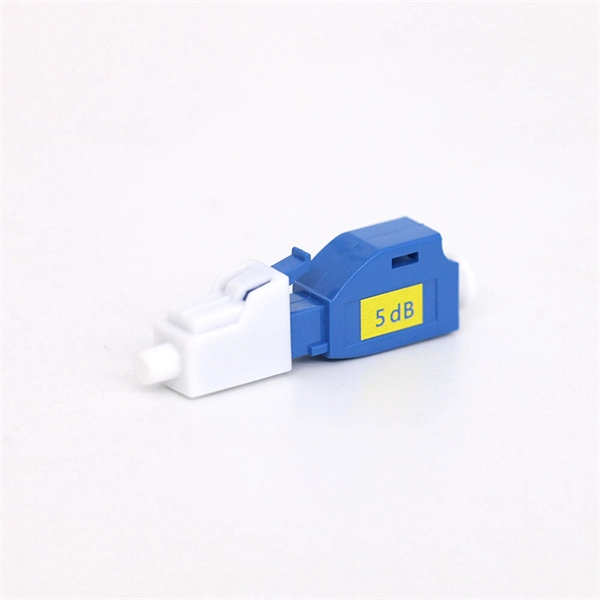
The PC (Physical Contact) connector was one of the earliest fiber polish types. It features a slightly curved end face that helps reduce air gaps between connected fibers. What are the differences between APC, UPC, PC? How to distinguish them? How to choose between them? This...
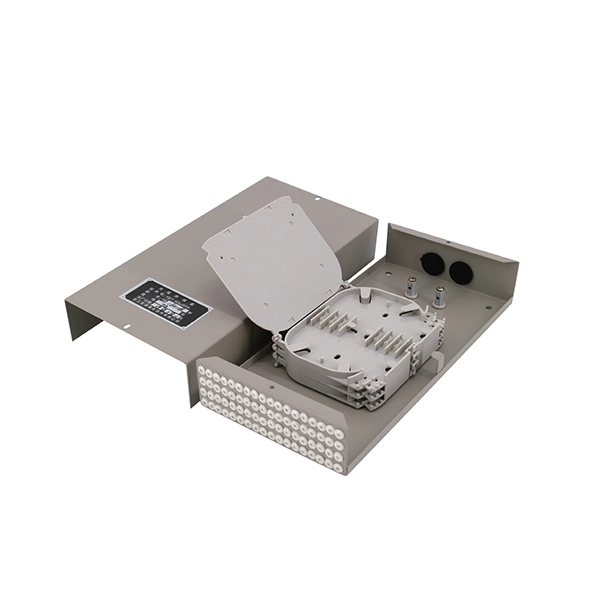
A pigtail connector is a short cable with a connector on one end and bare (stripped) wire or fiber on the other. In fiber optics, pigtails are fusion-spliced to field fiber inside splice trays — the most common termination method in telecom and data center networks. In...
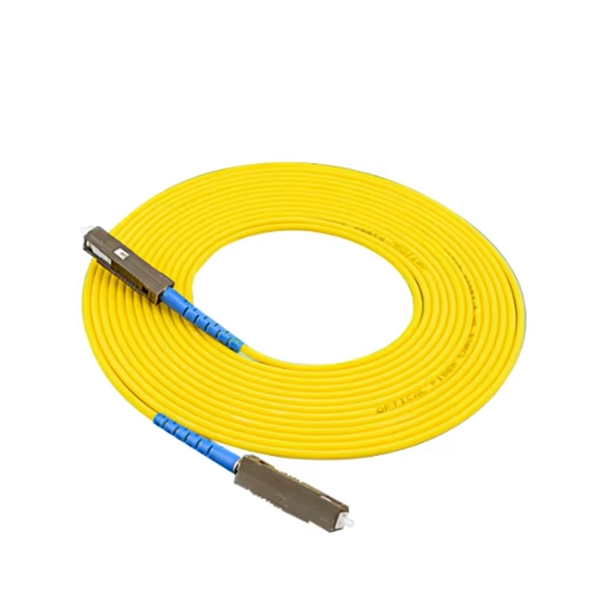
Fiber Optic Troubleshooting Guide: Problems, Tools & SolutionsThis guide offers practical steps to troubleshoot fiber optic cable issues, covering common p.
[PDF Version]To identify a broken fiber optic cable, start by performing a visual inspection for any physical signs of damage, such as bends, cracks, or breaks...
There are several methods to test fiber optic cables without a tester. One method is using a visual fault locator (VFL), as mentioned earlier, to v...
Intermittent fiber optic connections can be caused by a variety of factors, including: Poorly terminated connectors or splices that result in unsta...
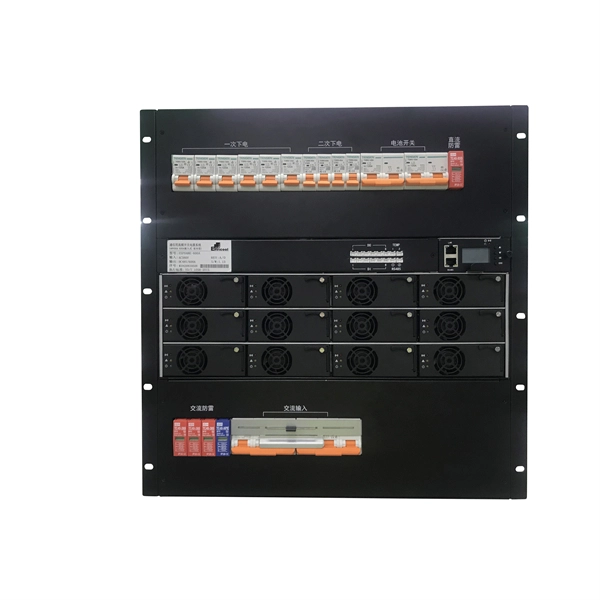
The installation requirements for the distribution box Learn how to install a distribution box safely and correctly. Covers wiring, placement, standards, a.
[PDF Version]The most common sub panel that you'll see out there is the 2040, usually at 60 amps.
You have to do a load calculation for the room you're going to power. This involves calculating how much amperage and voltage you're going to be us...
A subpanel is a smaller service panel that serves as a “middleman” between the main service panel and other branch circuits throughout a home or ot...
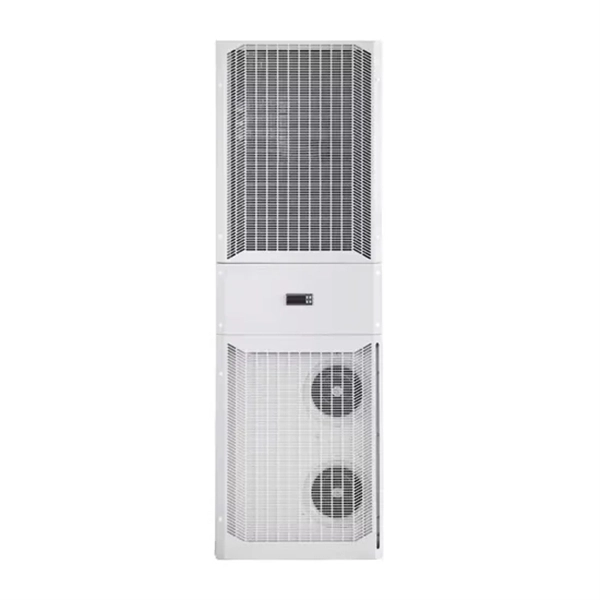
Fusion splicing creates permanent connections by precisely aligning fiber ends and fusing them using controlled heat application. This method produces transparent, non-reflective, and continuous connections between fibers, enabling very low-loss light transmission with...
[PDF Version]
Find and discover Cable Tray manufacturers and suppliers for all products in France, featuring details on their shipment activities, trade volumes, trading partners, and more. Pre-spliced BS cable tray, save time! Our Major Projects team has been committed to working side by...
Bridge Funnel: High Converting Affiliate Marketing Strategy [2026]A bridge funnel is a funnel marketing strategy that places one or more intermediary pages.
[PDF Version]Bridge funnels are often called affiliate marketing funnels because they fit perfectly in a strategy to target the right people to purchase product...
A bridge page is one of the additional steps in the bridge funnel strategy. The main purpose of a bridge page is to pre-sell your audience before s...
There are plenty of ways to drive traffic to a funnel: Promote a free lead magnet, Create social media groups, Promote your product or service via...
Share the fiber interfaces, termination capacity, cable route and evidence required for handover.