
Technical notes
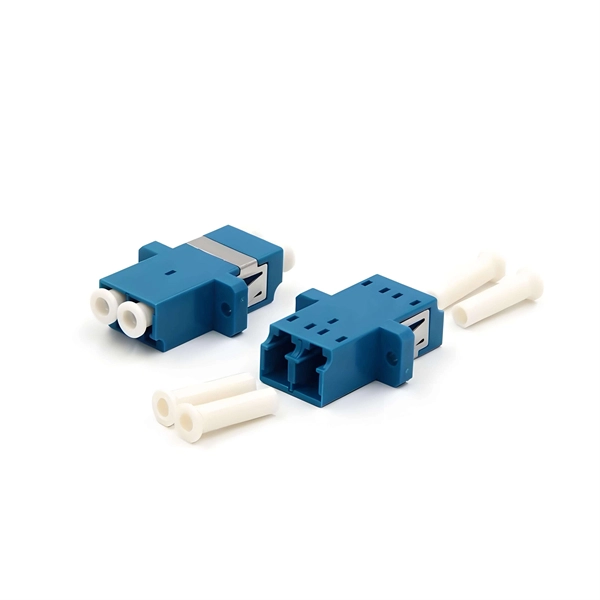
Optical fiber fast connector/cold connection skills
Unlike traditional fiber connectors that require epoxy and polishing, fast connectors use a mechanical splice to join the fibers. In this article, we will discuss the skills and techniques needed to
No tools needed for fiber optic cold connector
No special tools required: One of the biggest advantages of optical fiber cold splice technology is that it does not require any special tools or equipment to create a splice.
The principle of optical fiber cold splice technology
No special tools required: One of the biggest advantages of optical fiber cold splice technology is that it does not require any special tools or equipment to create a splice. This makes it
FASTConnect Mechanical Fiber Connectors | AFL Global
FASTConnect® field-installable connectors are factory pre-polished connectors that completely eliminate the need for hand polishing in the field.
Mastering the Fast Fiber Optic Cold Connector: A Hands-On Review
The Fast Fiber Optic Cold Connector is specifically engineered to eliminate the need for expensive fusion splicers and complex cleaving tools, making it the ideal choice for temporary setups, patch
IDC Fiber Optic Connectors – Fast, Tool‑less Fiber Termination Solution
Quickly connect fibers with tool-less IDC fiber optic connectors for telecom, data center & industrial networks. Fast, reliable installation with no epoxy.
FLX Series Fiber Optic Connectors – Rugged, Waterproof, Tool-Free
FLX Series fiber connectors are rugged, waterproof, and offer quick, tool-free termination. Ideal for FTTH, data center, military, and industrial networks.
Boyan Fiber Optic Cold Splicer BY-LJZ-01 Quick Connector SC Port
Featuring a carrier-grade SC port and embedded PEI material, this cold splicer enables fast, reliable, and tool-free fiber optic connections without the need for heat or fusion splicing.
Fast Splice Fiber Optic Connector | FiberMania
The Quick Connect Fiber Optical Cold Fast Splicer Connector is designed for rapid, reliable fiber termination without the need for epoxy, polishing, or specialized splicing equipment.
SC/UPC Fiber Optic Fast Connector New Look Quick Connector
This kind of Field Assembly Optical Connector is designed for fast and simple field termination of single fiber, without polishing or epoxy. The Connector is made with precision and high quality Zirconia
Optical Fiber Cold Splicing and Fusion Splicing
3. The difference between cold splicing and welding Hot Melt Need to use a fusion splicer and fiber cutter. To connect two optical fibers, no other
Optical fiber termination methods hot welding, cold joint,
There are 3 types of optical fiber termination methods for different optical communication projects and technical requirements of the cable terminal
The Difference Between Optical Fiber Cold Splicing and Optical Fiber
When installing a fiber optic network, connectors are required to connect both ends of the fiber optic cable. Common splicing methods include optical fiber cold splicing and optical cable hot
Top 7 Must-Have Tools for Fiber Optic Technicians
Regular cleaning with a proper connector cleaner is a fundamental practice in fiber optic maintenance, ensuring that the network operates at its peak performance
FTTH Splicing Splice Cold Connection Fiber Optic Stripping Tool Kit
FTTH Splicing Splice Cold Connection Fiber Optic Stripping Tool Kit Set With Fiber Cleaver FC-6S and Fiber Optic Stripper CFS-3 - Amazon Amazon Return Policy: Amazon Voluntary 30
The principle of optical fiber cold splice technology
Principle of Optical Fiber Cold Splice Technology Optical fiber cold splice technology is based on the use of mechanical connectors to join two fiber-optic cables. These connectors are
How to make optical fiber connectors | NETVN
Making optical fiber connectors involves a precise and clean process to ensure low signal loss and proper transmission. Here''s a simplified step-by-step guide on how to make (terminate) optical
Fiber Optics Tools, testing equipment, connectors, and kits with
Fiber Optics Tools, test equipment and patch panels. Low cost fiber optic hand tools, and kits for fiber optic testing, fiber optic connectors.
Related Video Reference
This video was associated with the source search result. Verify technical details against current product documentation and project requirements.