
Technical notes
Guide for splicing of fiber optic fibers | EFB-Elektronik
Our product expert for fiber optic technology explains the splicing process in 10 steps, points out what to watch out for, and recommends appropriate tools.
Fiber Optic Splice Closure Guide | Structure, Types & Testing Standards
This guide is written to provide a complete and engineering-oriented understanding of fiber optic splice closures—from basic concepts and classifications to structural logic and practical
Fiber Optic Splice Boxes: Selection Criteria, and
What factors should be considered when selecting a fiber optic splice box? Consider the type of fibers, environmental conditions (indoor vs. outdoor), capacity
Fiber Optic Closures | Optical Communications | Corning
Corning Fiber Optic Splice Closures are designed for splicing fibers in aerial, duct and buried applications.
The Complete Step-by-Step Guide to Fiber Optic Splicing
In this guide, we cover the basics of fiber optic splicing, how to perform splicing using two different methods, and finally some best practices to perform good fiber splicing.
Fiber Optic Cable Splicing Methods: A Practical Guide
The two primary industry-accepted methods for fiber optic cable splicing are fusion splicing and mechanical splicing. The choice between them depends on performance requirements,
24 Core Fiber Fusion Splicing Sequence Diagram_NEWS_OPTICAL
This article provides a detailed explanation of the sequence, covering four aspects: preparation, stripping and cleaning, fusion splicing, and testing. Understanding this sequence is crucial for ensuring
Splicing sequence of optical cable and pigtail
When fixing multi-bundle tube-layer optical cables, each bundle of tubes should be placed in order to avoid twisting. Insert the optical cable into the splice box, and the steel wire must be pressed tightly
How to Splice Fiber in a Terminal Box: Complete Guide
Learn how to properly splice and manage fiber in a fiber optic terminal box. Follow this FTTH installation guide from Spring Optical for reliable fiber termination.
Compact FO splice boxes for DIN rails
Compact FO splice boxes for DIN rails Future-proof high-speed data transmission: Splice boxes from Phoenix Contact ensure continuously reliable real-time data
The Fiber Optic Association
Fiber Optic Splice Closures Once fibers are spliced, they need to be protected. For protection against the outside plant environment and damage, splices require
Optical Fiber Jointing Methods
The document discusses methods for joining optical fibers, including fusion splicing and mechanical splicing. Proper preparation of the fiber ends is important for both methods. It also mentions using a
How to Routing a Fiber Core in Joint Box
In this video I will show you how to routing a fiber core in a joint box... With the help of this video you can easily routing a fibers in your joint box and run your network without any optical
Installation Method Of Optical Cable Joint Closure
Installation Method Of Optical Cable Joint Closure Splice Box Fiber preparation 1. Remove the cable sheath, (if there is, please remove the shielding and armor)
The FOA Reference For Fiber Optics
Choosing a connector type for any installation should consider if the connector is compatible with the systems planned to utilize the fiber optic cable plant, if the termination process is familiar to the
What is a fiber optic cable splice box? What does it do?
1. Optical cable joint box The optical cable joint box permanently connects two optical cables together and has a joint part for protecting components.
Fiber Optic Splice Closure Basics and Types
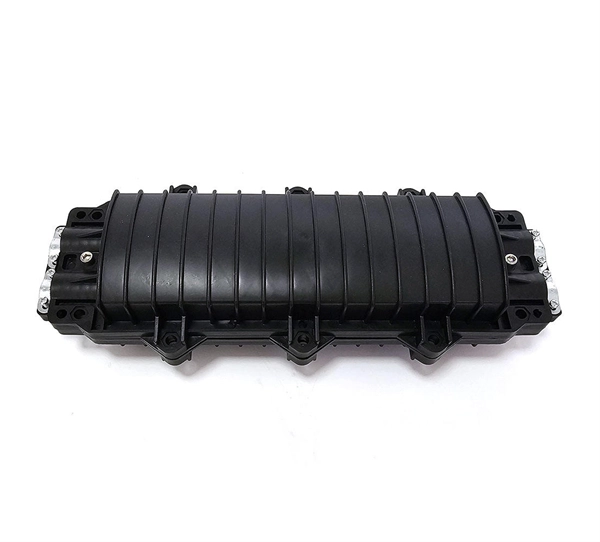
Horizontal types of splice closures look like flat or cylindrical box which provides space and protection for fiber optic cable splicing and joint. They are also called in-line type closures.
Fiber Optic Splicing Guide & Demo
Part of UTEL''s Knowledge Base series of videos about fiber optics, this guide provides a thorough introduction to fusion and mechanical splicing as well as a demonstration of fusion splicing.
Related Video Reference
This video was associated with the source search result. Verify technical details against current product documentation and project requirements.