
Technical notes
Optical Fibre Splicing and Termination Guide | PDF
The document discusses optical fiber termination and splicing. It specifies that at each location requiring fiber termination, all fibers within a cable must be
Optical Distribution Frame (ODF): The Complete Guide for Fiber
An ODF is a centralized platform designed for terminating, cross-connecting, and managing optical fibers. It ensures fiber management is structured, minimizes signal loss, and
Considerations for Optical Fiber Termination
To terminate an optical fiber cable in the field, the fiber (either tight-buffered or loose fan-out tube) is simply stripped, cleaved, inserted into the connector and mechanically secured.
ODF Explained: Types, Architecture, Management
Intro An Optical Distribution Frame (ODF) is the central hub for fiber splicing, termination, patching, and cable protection in modern optical networks.
Everything you need to know about fiber optic termination
We terminate fiber optic cable two ways - with connectors that can mate two fibers to create a temporary joint and/or connect the fiber to a piece of network gear or with splices which create a permanent
Fiber Optic Cable Installation Guidelines | PDF | Optical
It outlines responsibilities, required tools and equipment, general requirements, and step-by-step procedures for installation, termination, splicing, and documentation.
Outside Plant Optical Fiber Cable Termination Guidelines for Stranded
Optical fiber cables are designed to act as a unit across the operating temperature window. When the cable is cut for termination, the components at the end of the cable are no longer
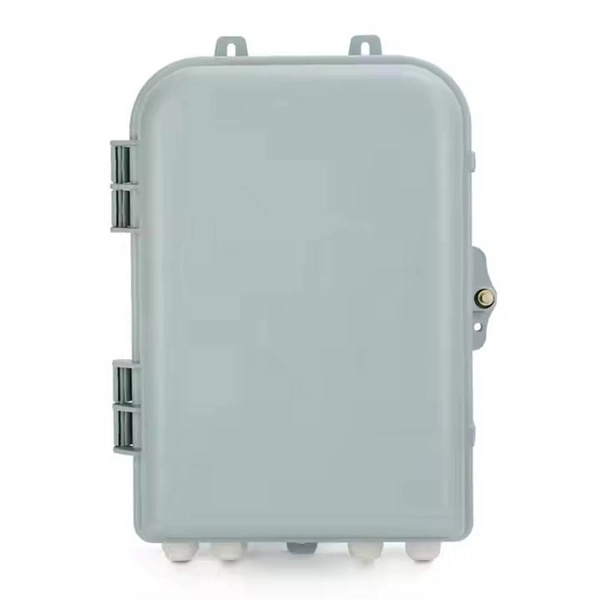
Odf fiber terminal box ODF
The optical fiber terminal box is the terminal joint of an optical cable, one end of which is an optical cable, and the other end is a pigtail, which is equivalent to a device that splits an optical cable
The main functional requirements of the ODF optical fiber
It is a type of frame or cabinet that provides a centralized location for the termination, splicing, and distribution of optical fibers. ODFs are typically installed in telecommunications rooms,
What are the key components and functions of the ODF?
Sub-ODF unit Adapters and Panels: These components hold and secure fiber optic connectors, such as SC, LC, and FC, allowing for easy connection and disconnection of cables.
Optical Distribution Frames (ODF) | Melbye
Optical Distribution Frames (ODF) Optical Distribution Frames (ODFs) are used for terminating fiber optic cables. Usually mounted in 19´ racks or cabinets. Available in different types and designs
Comprehensive Guide to Optical Distribution Frames (ODFs)
An Optical Distribution Frame (ODF) is an integrated unit used to manage cable interconnections between communication facilities. It serves multiple purposes, including the
The FOA Reference For Fiber Optics
Fiber optic joints or terminations - where cables are terminated - are made two ways: 1) connectors that mate two fibers to create a temporary joint and/or connect the fiber to a piece of network gear (left) or
Everything You Need to Know About the ODF Optical
An Optical Distribution Frame (ODF) is an intelligent device in the fiber optic network that helps to organize and manage optical cables. It serves as
The functional requirements of the ODF optical fiber wiring frame
The first functional requirement of an ODF optical fiber wiring frame is termination. The ODF must be capable of terminating optical fibers coming from the external network, such as the
Why Optical Distribution Frames (ODF) Are Essential
An Optical Distribution Frame (ODF) is a crucial infrastructure component in optical fiber networks used to manage, organize, and protect fiber
The Ultimate Guide to Fiber Optic Termination: A Technical and
Proper fiber optic termination is a crucial process for ensuring the reliability, performance, and long-term durability of any fiber optic network.The process of fiber optic cable termination is the
ODF vs Fiber Termination Box vs Fiber Optic Distribution Box
To realize the connection of fiber optic cable, we often need to use ODF (optical distribution frame), fiber optic termination box ( rack mount fiber optic patch panel, fiber outlet), fiber
Related Video Reference
This video was associated with the source search result. Verify technical details against current product documentation and project requirements.