
Technical notes
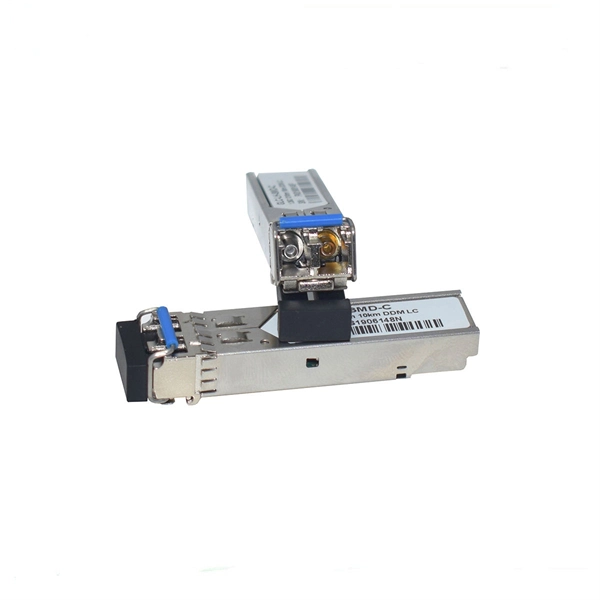
What Is an SFP Optical Module? Guide | PHILISUN
Understand the core function, compare data rates (1G to 25G), learn critical compatibility rules, and follow our 5-step checklist for selecting the perfect
Fiber SFPs Explained: Types, Speeds, and Buying Guide
Fiber SFPs (Small Form-factor Pluggable transceivers) are compact, standardized optical modules that enable network devices—such as switches, routers, and servers —to transmit data over fiber optic
The Ultimate Guide to SFP Modules (2026): Types, Speeds
Confused by SFP vs SFP+? Read the definitive 2026 guide on SFP modules. We explain Single Mode vs Multimode, DDM diagnostics, and how to choose the right transceiver for Cisco, Juniper, and more.
Fiber Optic SFP Module: What Is It & How To Choose
Among various optical module types, the fiber optic SFP module stands out for its ability to deliver reliable, high-speed data over long distances. It uses fiber optic cables to transmit data through light
Comprehensive Guide to FS 10G BiDi SFP Modules
10G BiDi SFP+ modules utilize a unique optical mechanism that enables full-duplex data transmission over a single strand of single-mode fiber (SMF). This is achieved using two different
SFP modules – transceivers for 1/2/4G fibre channel
SFP transceivers are valued for their flexibility, low power consumption and ability to support both single-mode and multimode fiber, making them ideal for short-range
Know Your 800G Transceiver | Juniper Networks
Any host platform with 800G ports Networks with 800 gigabits data transmission Telecommunication networks that require high-speed data transmission with minimal loss An 800G transceiver uses
SFP Optical Modules: The Essential Bridge in Modern Communication
SFP optical modules are essential components in cutting-edge network infrastructure, enabling high-speed, reliable fiber optic communication.
BiDi Optical Modules: Unlocking Single-Fiber Bidirectional Connectivity
Comprehensive guide on BiDi Optical modules, detailing single-fiber bidirectional connectivity, deployment tips, troubleshooting, and multi-speed applications for optimized networks.
Optical Module Guide: Demystifying Optical Modules and Their Uses
Optical modules are essential components in modern communication networks, enabling high-speed data transmission over fiber optic cables. As the demand for faster and more reliable
The Complete Guide to the Best Choice of 10G SFP+ Optical Modules
Choose a module that meets your requirements without exceeding your budget. WHGEARLINK Brand Optical Modules WHGEARLINK is a reputable brand known for producing high-quality 10G SFP+
High-Speed Optical Transceiver Modules: Architecture, Types
Discover high-speed optical transceiver modules for 10G/25G/40G/100G+ networks. Learn about SFP, QSFP, XFP, and their applications in data centers and telecom.
Understanding Single-mode and Multi-mode Optical Modules and Optical
Conclusion: In conclusion, single-mode and multi-mode optical modules and fibers serve distinct purposes in sfp optical module communication, offering compatibility with different transmission
Fiber Optic Cables: Speed, Standards, and More
It can handle several wavelengths of light and multiple signals at high speeds. It''s used over shorter distances within a data center or local area network. Fiber Optic Speed and Distance Comparison
Fiber Optic Cable Speeds: Everything You Need to Know
Fiber optic cable speeds explained with distance limits, cable types, and performance tips, including single-mode and multimode transmission for 2025 networks.
Fiber-Optic Cable Bandwidth: Complete Guide
Explore how fiber optic cable bandwidth can transform your network''s speed and efficiency, offering superior performance over traditional cables.
Comparing 100G Single Lambda and 4 Channel Optical Modules Key
🔍 Ready to simplify your 100G optical transceiver selection? 👉 Contact the LINK-PP experts today! We''ll analyze your specific network requirements – reach, fiber type, budget, future plans –
Optical Transceivers: How to Choose the Right Module
Optical transceivers are vital components that convert electrical signals into optical signals and exchange them in a two-way manner to enable high-speed data
Related Video Reference
This video was associated with the source search result. Verify technical details against current product documentation and project requirements.