
Optical Splitter Insertion Loss Table
Search optical fiber, connectivity, cable management and network infrastructure references.
- Optical
- Splitter
- Insertion
Articles and technical references
11 on this page-
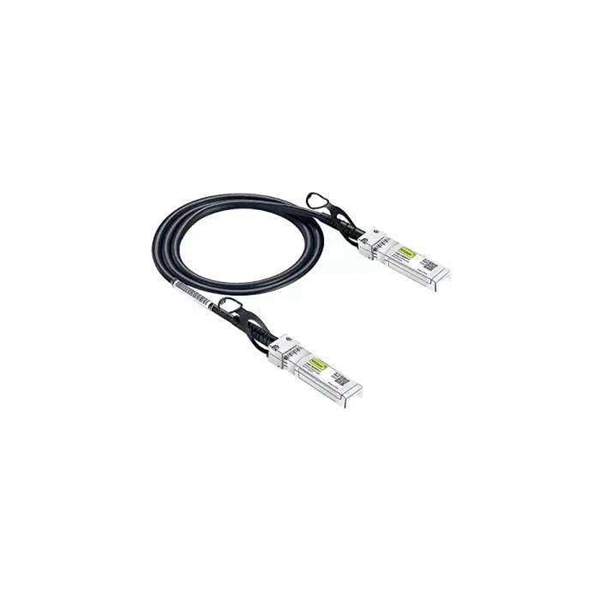
Optical splitter national standard insertion loss
Testing a splitter or other passive fiber optic devices like switches is little different from testing a patchcord or cable plant using the two industry standard tests, OFSTP-14 for double-ended loss (connectors on both ends) or FOTP-171 for single-ended testing. Optical...
[PDF Version]
-
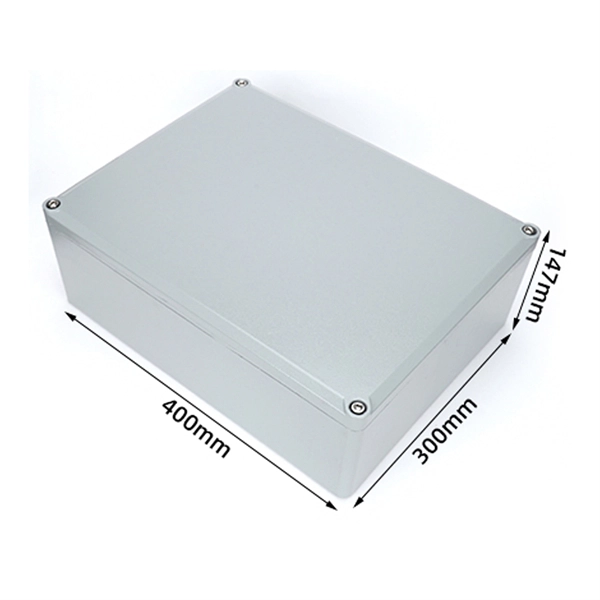
Insertion Loss of Optical Attenuators
Insertion loss, also known as attenuation, is the loss of optical power that occurs when light passes through a fiber optic connector. It is caused by factors such as misalignment, air gaps, and imperfections in the connector components. If an optical device is inserted into...
-
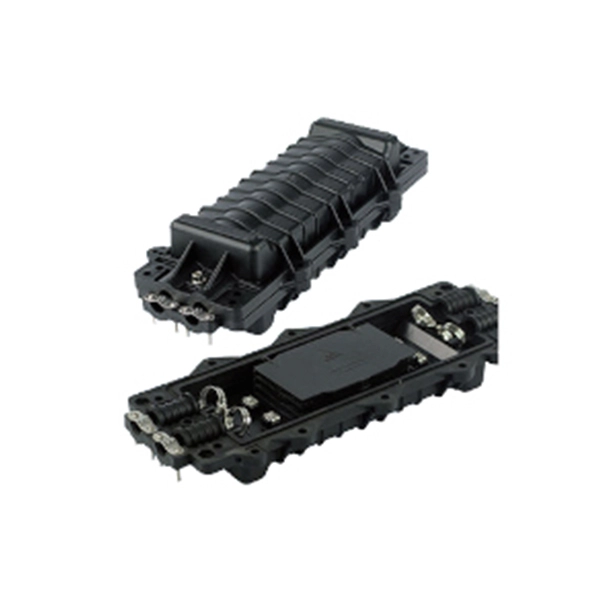
Where is the network interface for the optical splitter
They are typically installed in each optical network between the PON OLT (optical line terminal) and ONTs (optical network terminals) that the OLT serves. Generally, two kinds of fiber optic splitters are popular, which are FBT splitters and PLC splitters. One important note...
[PDF Version]
-
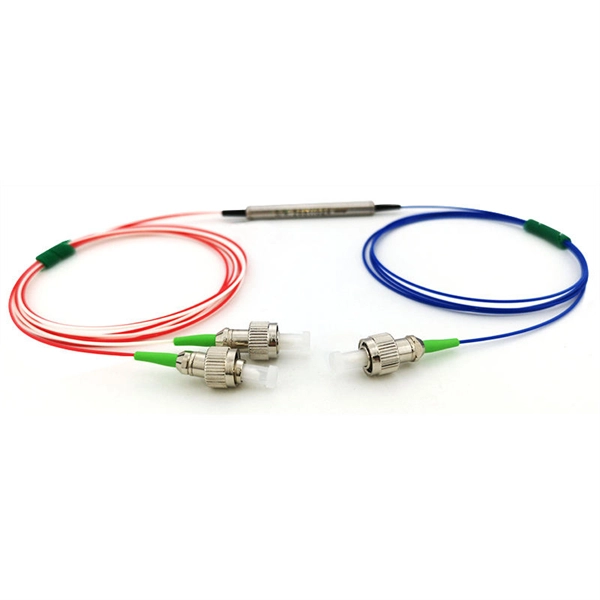
What does a network optical splitter do
Optical splitters are also called fiber optic splitters. They split one light signal into many outputs. These devices do not need power or. A fiber optic splitter is a passive optical component that divides a single incoming optical signal into two or more outgoing signals...
-
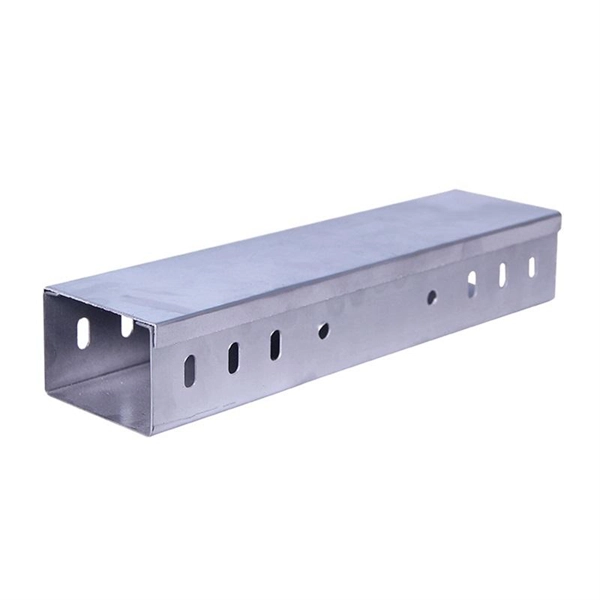
Is the optical splitter a fiber optic panel
An optical splitter is a crucial passive fiber optic device that splits and combines optical signals. It can divide the input optical signal into multiple output optical signals to meet the fiber optic access needs of multiple terminal devices. This type of device plays an...
-
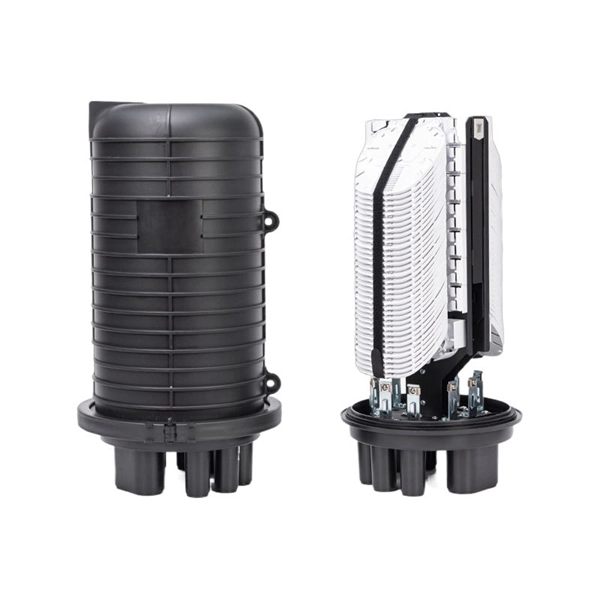
How many wire cores are typically used in a first-stage optical splitter
For most setups, cables with 12, 24, or 48 cores are common choices, ensuring compatibility with modern equipment and ease of management. The number of optical cores in an optical fiber is the total number of equipment interfaces multiplied by 2, plus 10% to 20% of the spare...
[PDF Version]
-
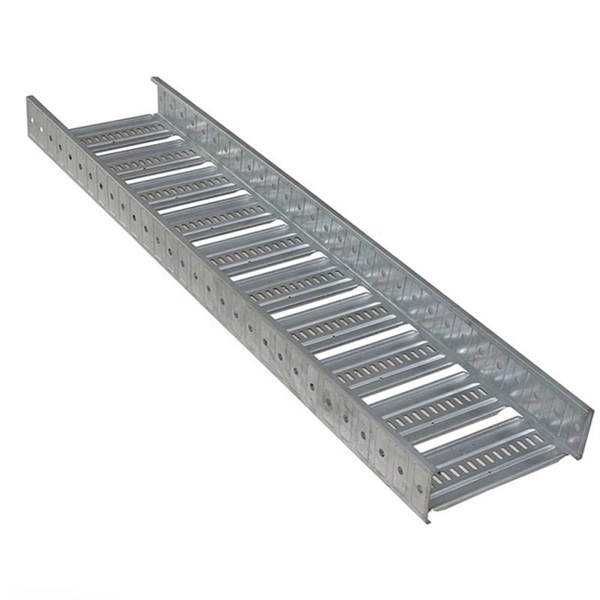
Usage Environment of Optical Splitter
It is an optical fiber tandem device with many input and output terminals, especially applicable to a passive optical network (EPON, GPON, BPON, FTTX, FTTH etc. An optical splitter is a crucial passive fiber optic device that splits and combines optical signals. It is...
[PDF Version]
-
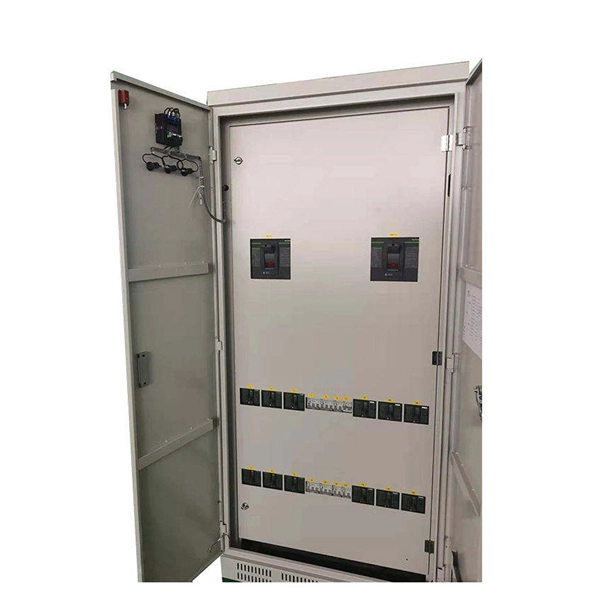
Optical loss of optical module
Optical losses are caused by light reflection and absorption in the front stack of module materials, as well as by light incidence on inactive module areas, such as the module perimeter, cell interspaces and top contacts. Losses can be divided into intrinsic and. Insertion...
[PDF Version]
-
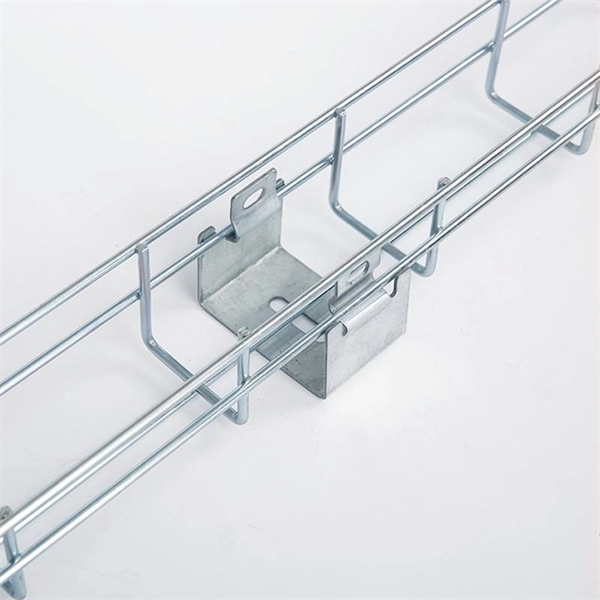
What does a miniature optical splitter do
An optical splitter is a small, passive device—no power needed! —that splits one incoming light signal into multiple identical outputs. You'll often see ratios like 1:8, 1:16, 1:32, or even 1:64, which tell you how many ways the signal is divided. A mini module splitter is a...
-
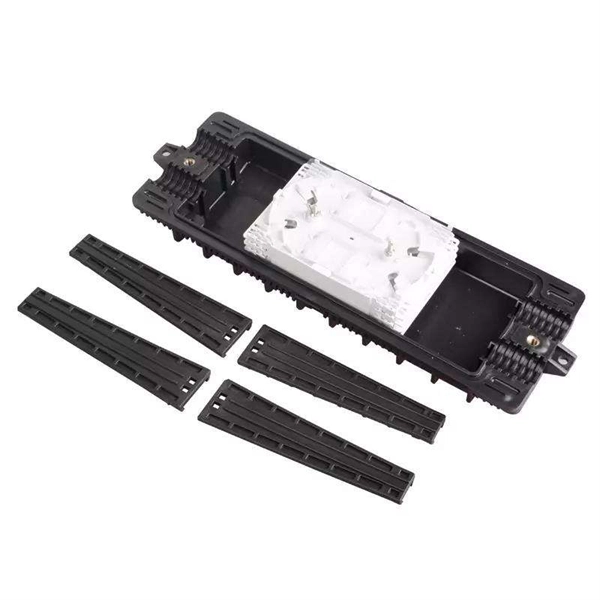
Packet loss rate in optical fiber transmission
For multimode fiber, the loss is about 3 dB per km for 850 nm sources, 1 dB per km for 1300 nm. 5 dB/km max per EIA/TIA 568) This roughly translates into a loss of 0. A significant signal loss in the optical fiber can cause unreliable transmission and potentially result in...
[PDF Version]
-
FTTH uses optical circulators for low loss
Here, we present a solution to this issue by realizing low-loss (0. 81 dB), broadband (at least 50 GHz bandwidth) and high-extinction (up to 27 dB) circulators, based on Mach-Zehnder interferometers including so-called fiber null-couplers. The latter are directional couplers...
[PDF Version]