
Optical Splitter
Search optical fiber, connectivity, cable management and network infrastructure references.
- Optical
- Splitter
Articles and technical references
11 on this page-
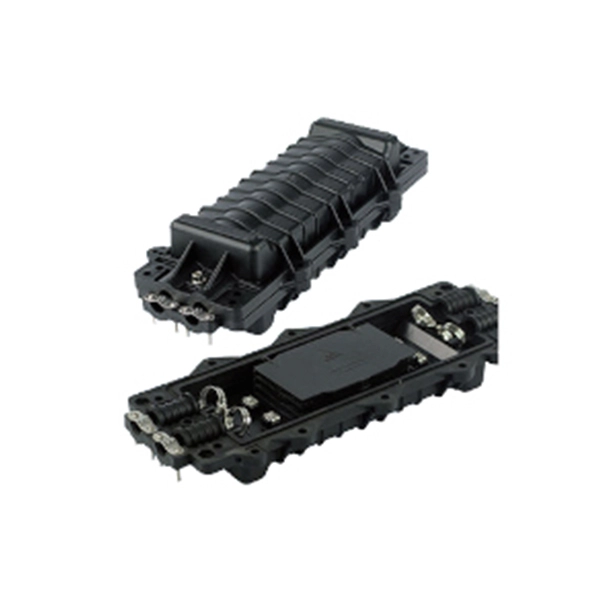
Where is the network interface for the optical splitter
They are typically installed in each optical network between the PON OLT (optical line terminal) and ONTs (optical network terminals) that the OLT serves. Generally, two kinds of fiber optic splitters are popular, which are FBT splitters and PLC splitters. One important note...
[PDF Version]
-
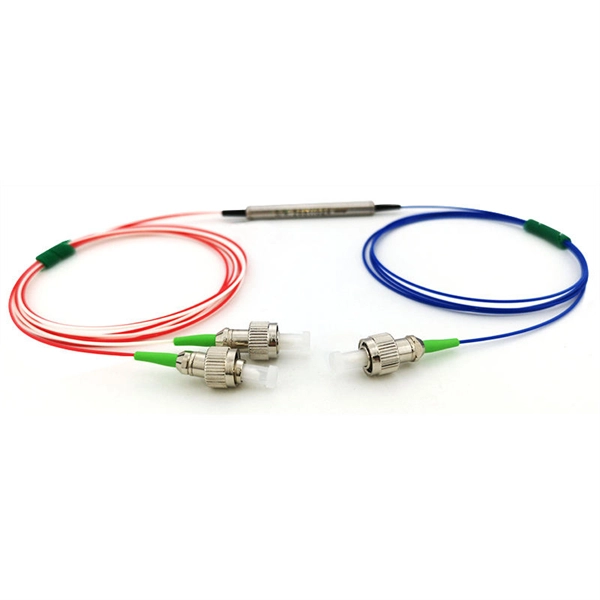
What does a network optical splitter do
Optical splitters are also called fiber optic splitters. They split one light signal into many outputs. These devices do not need power or. A fiber optic splitter is a passive optical component that divides a single incoming optical signal into two or more outgoing signals...
-
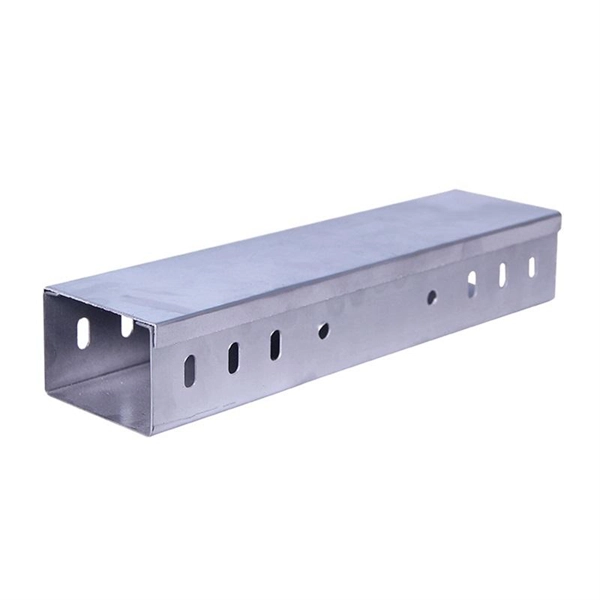
Is the optical splitter a fiber optic panel
An optical splitter is a crucial passive fiber optic device that splits and combines optical signals. It can divide the input optical signal into multiple output optical signals to meet the fiber optic access needs of multiple terminal devices. This type of device plays an...
-
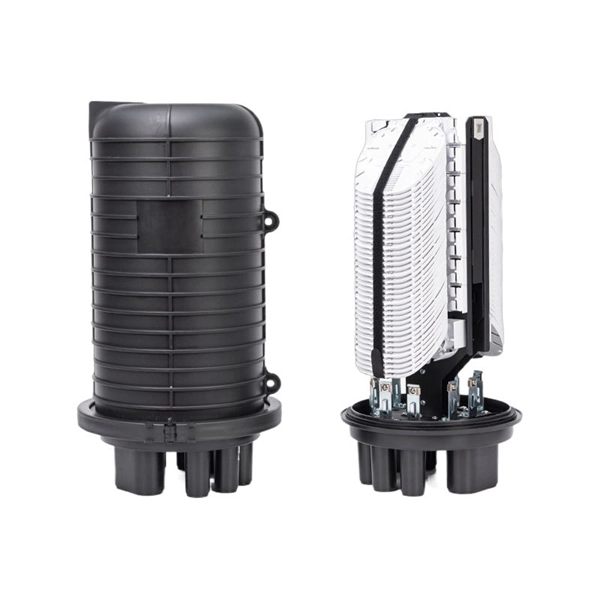
How many wire cores are typically used in a first-stage optical splitter
For most setups, cables with 12, 24, or 48 cores are common choices, ensuring compatibility with modern equipment and ease of management. The number of optical cores in an optical fiber is the total number of equipment interfaces multiplied by 2, plus 10% to 20% of the spare...
[PDF Version]
-
Usage Environment of Optical Splitter
It is an optical fiber tandem device with many input and output terminals, especially applicable to a passive optical network (EPON, GPON, BPON, FTTX, FTTH etc. An optical splitter is a crucial passive fiber optic device that splits and combines optical signals. It is...
[PDF Version]
-
What does a miniature optical splitter do
An optical splitter is a small, passive device—no power needed! —that splits one incoming light signal into multiple identical outputs. You'll often see ratios like 1:8, 1:16, 1:32, or even 1:64, which tell you how many ways the signal is divided. A mini module splitter is a...
-
Optical splitter national standard insertion loss
Testing a splitter or other passive fiber optic devices like switches is little different from testing a patchcord or cable plant using the two industry standard tests, OFSTP-14 for double-ended loss (connectors on both ends) or FOTP-171 for single-ended testing. Optical...
[PDF Version]
-
What is the power supply for the optical splitter
Optical splitter do not require a power supply and allows a single fiber to serve multiple endpoints. It is widely used in FTTx (Fiber to the X) networks as it reduces the number of fibers routed back to the exchange. The. Our main product lines include ONU/ONTs, OLTs...
[PDF Version]
-
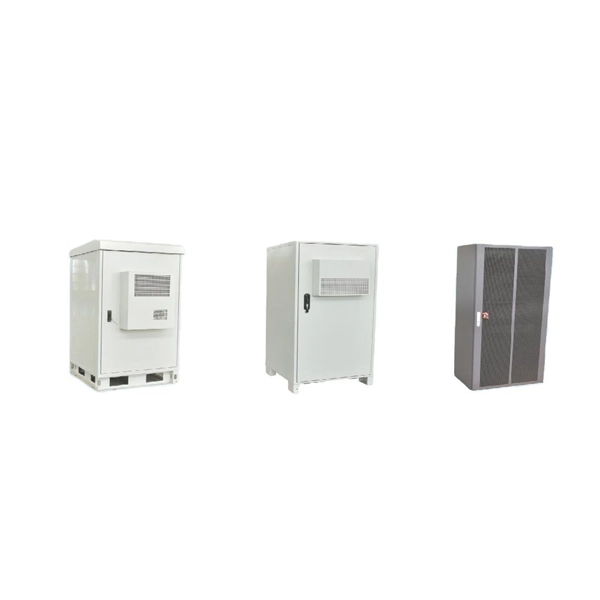
The function of a 10 Gigabit dual-core optical splitter
By dividing a single optical signal from a central Optical Line Terminal (OLT) into multiple outputs for Optical Network Terminals (ONTs) at users' homes, splitters eliminate the need for dedicated fibers to each residence—slashing infrastructure costs while scaling network...
[PDF Version]
-
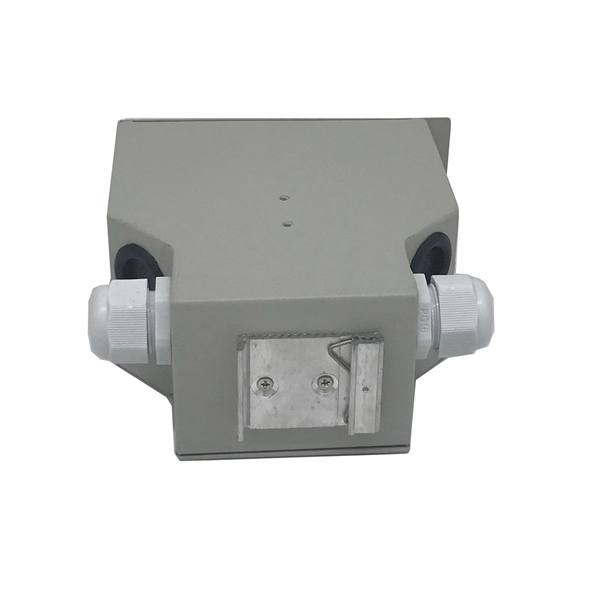
How to use the fixed fusion splicer for optical splitter boxes
The guide provides the complete workflow, covering safety precautions, tool selection, fiber preparation, fusion operation, quality control, and troubleshooting. Following these processes will help you learn how to create high-performance, low-loss fiber optic splices that...
[PDF Version]
-
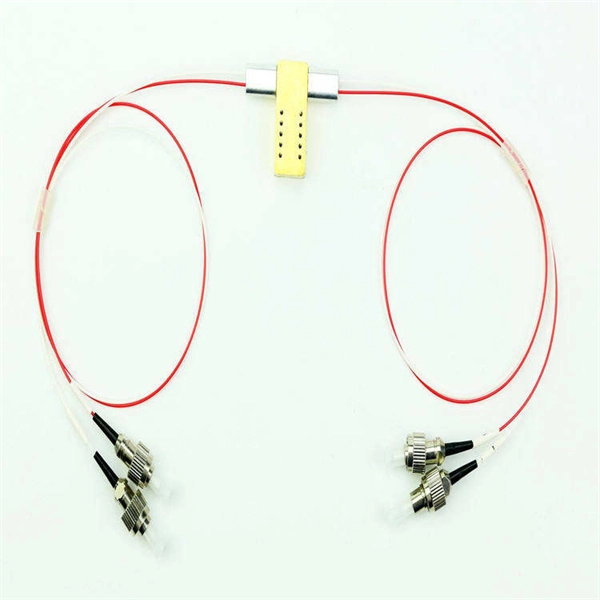
The incoming flow rate of the optical splitter is used for optical splitting
An optical splitter is a small, passive device—no power needed! —that splits one incoming light signal into multiple identical outputs. You'll often see ratios like 1:8, 1:16, 1:32, or even 1:64, which tell you how many ways the signal is divided. By understanding these...
[PDF Version]