
Optical Switches Principles Classifications And Applications
Search optical fiber, connectivity, cable management and network infrastructure references.
- Optical
- Switches
- Principles
Articles and technical references
11 on this page-
Utilization Principles of Optical Fiber Communication
Fibre-optic communication involves transmitting a signal as light, converting electrical signals to optical signals at the transmitter end and reversing the process at the receiver end. Light acts as a carrier wave and can be modulated to carry information. Optical fibre is...
[PDF Version]
-
Is there a high demand for optical switches
The optical switches market increased steadily from USD 5. 8 billion in 2024, driven by rising data traffic across hyperscale data centers, increasing deployment of high‑speed optical interconnects, and expansion of fiber‑rich telecom networks. 5 billion in 2035, at a CAGR of...
[PDF Version]
-
Principles of Optical Fiber Communication toa
Fibre-optic communication involves transmitting a signal as light, converting electrical signals to optical signals at the transmitter end and reversing the process at the receiver end. Light acts as a carrier wave and can be modulated to carry information. The cladding's...
[PDF Version]
-
Checking Optical Port Loss on Huawei Switches
This document describes how to check the switch interface or port status and how to locate an interface physically down fault and restore the interface to the up state. Hardware failures: include hardware. Optical transceivers are widely applied in switches, network cards...
-
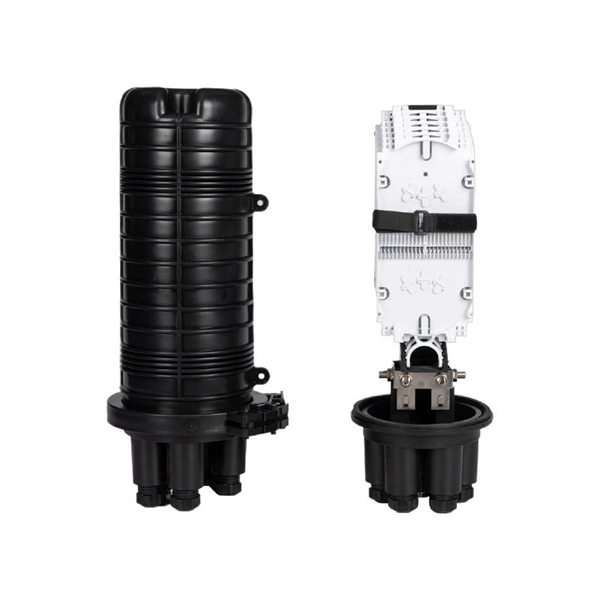
Can optical switches achieve fiber optic data interconnection
Choose an optical switch that can handle high-density fiber connections and is compatible with your existing network architecture. As the demand for data surges, these switches become more vital in sustaining networks that are efficient, scalable, and. Fiber-optic switches...
[PDF Version]
-
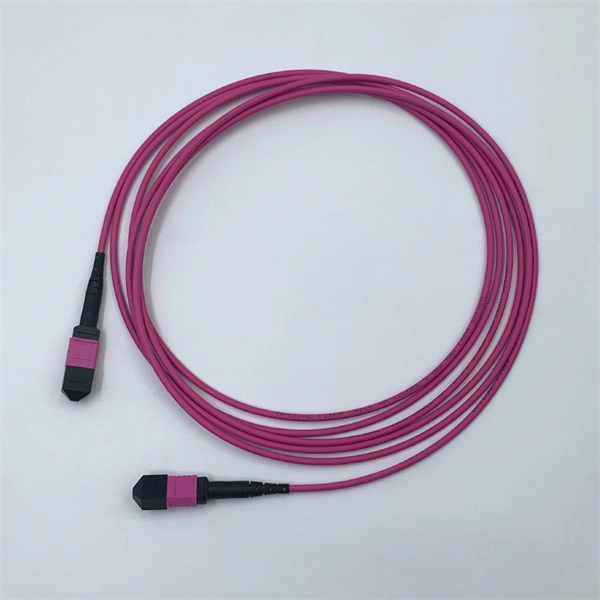
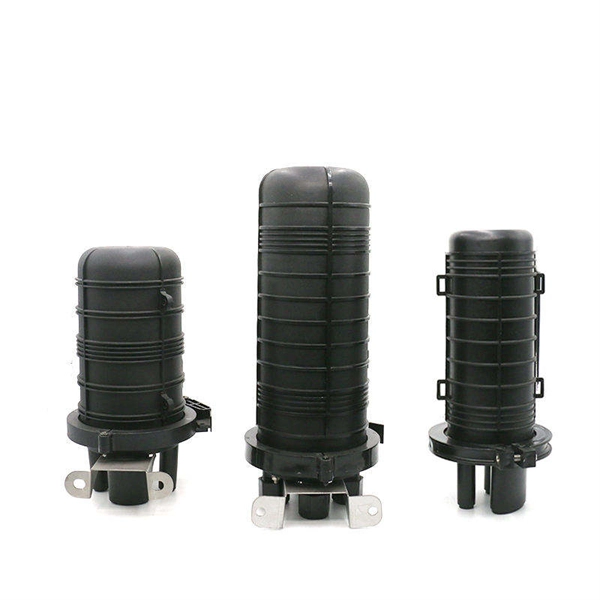
Principles for Setting Up Outdoor Optical Cable Splice Boxes
Comply with National Electrical Code requirements for cable ratings and fire safety. Prepare cable ends by sealing gel-filled cables and protecting buffer tubes to prevent water ingress and physical damage. You must follow strict installation guidelines for outdoor fiber...
[PDF Version]
-
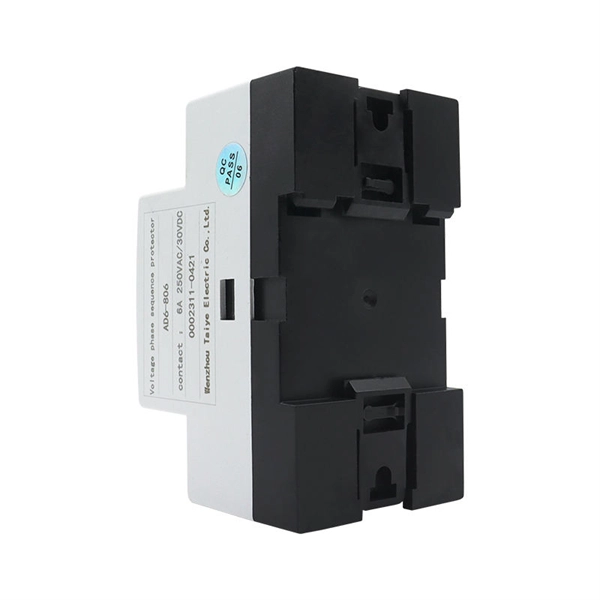
Do home switches need optical ports
To meet these growing bandwidth requirements, access switches must have optical downlink ports. These ports can then use optical fibers that offer a higher transmission rate for access, achieving fiber to the room. An all-optical Ethernet switch is a network switch whose...
[PDF Version]
-
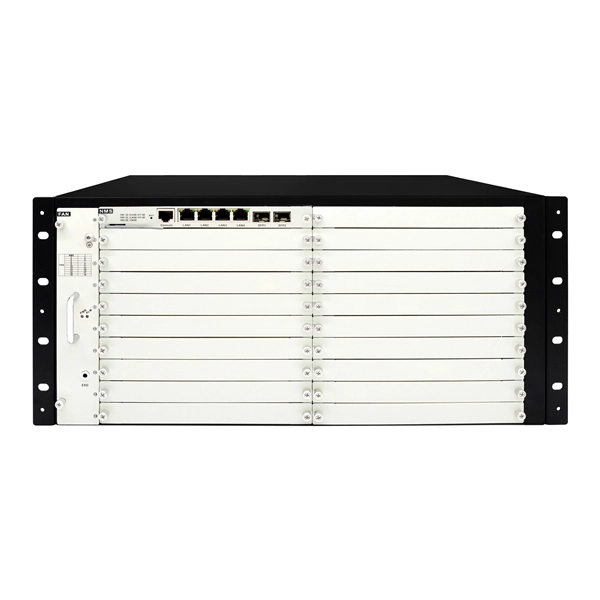
Principles of Optical Fiber Cable Operation
Fibre-optic communication involves transmitting a signal as light, converting electrical signals to optical signals at the transmitter end and reversing the process at the receiver end. Light acts as a carrier wave and can be modulated to carry information. The designing of...
-

Multiple PoE optical switches connected in series
Daisy-chaining in networking refers to connecting multiple devices (in this case, PoE switches) in a linear series. For one, it increases the number of PoE ports available, which is especially useful for powering IP cameras, wireless access points and other network devices...
-

TPU Optical Cable Applications
Thermoplastic polyurethane, with good tensile strength & elasticity, great resistance to oil, grease & abrasion and high mechanical properties, has been widely used in communication optical fiber like IEC & CPR flame retardant optical cable and special optical cable, etc...
[PDF Version]
-
Optical Switches and Gigabit Switches
All-Optical Ethernet Switch Explained: Features and BenefitsDiscover what an all-optical Ethernet switch is, how it works, and the key benefits it brings t.
[PDF Version]