
Optical Transmission Basics 01
Search optical fiber, connectivity, cable management and network infrastructure references.
- Optical
- Transmission
- Basics
Articles and technical references
9 on this page-
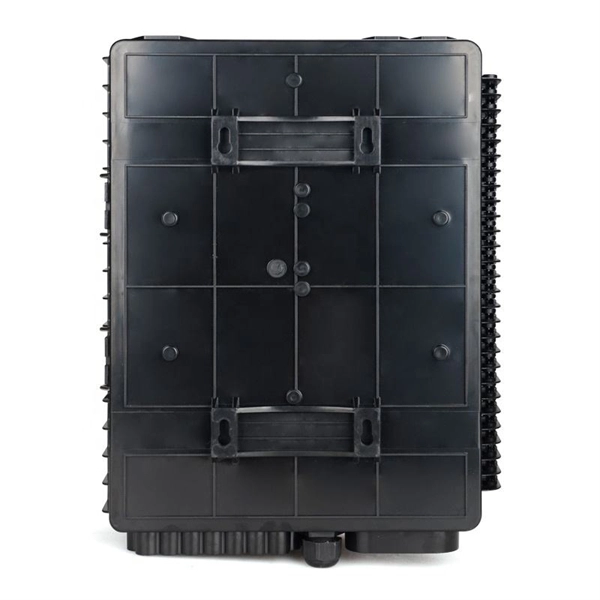
Largest manufacturer of copper optical fiber cables for power transmission
Prysmian Group commands approximately 9-15% of the global market as the world's largest cable manufacturer and a leading supplier of fiber optic cables. With a strong focus on innovation and sustainability, Prysmian Group provides solutions for energy transmission and...
[PDF Version]
-
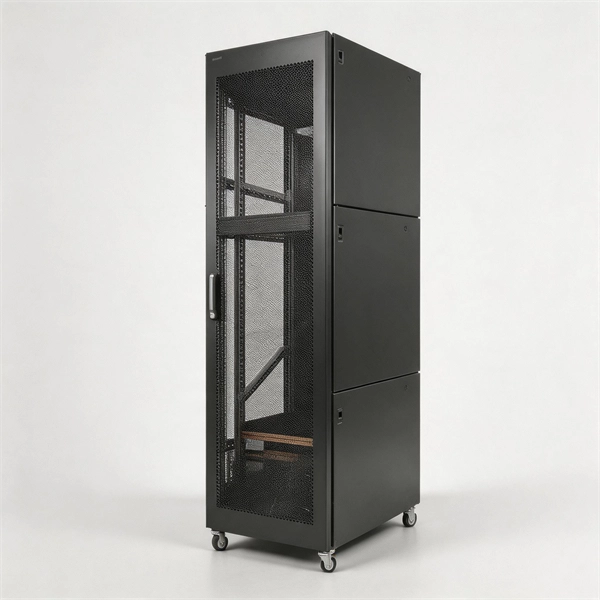
Methods for Laying Optical Cables for Transmission Lines
The routes for laying fiber optic cables may involve ducts, subterranean channels or elevated paths. Installation typically employs two techniques: pulling and blowing. Discover the exact steps, adhere to stringent safety. In the complex world of telecommunications...
[PDF Version]
-
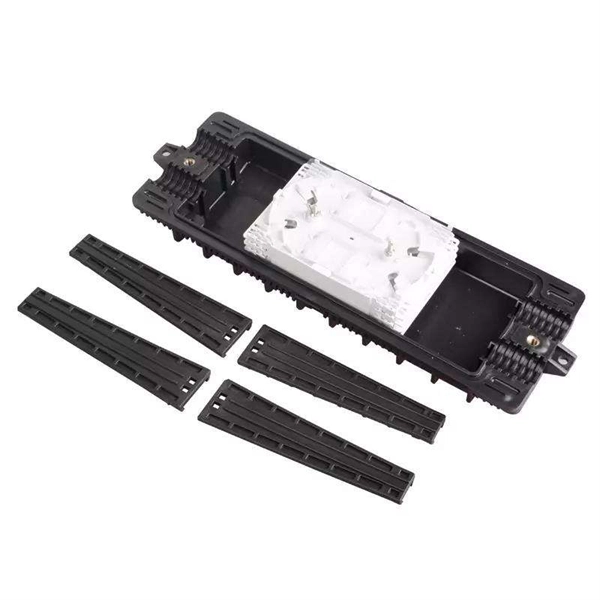
Packet loss rate in optical fiber transmission
For multimode fiber, the loss is about 3 dB per km for 850 nm sources, 1 dB per km for 1300 nm. 5 dB/km max per EIA/TIA 568) This roughly translates into a loss of 0. A significant signal loss in the optical fiber can cause unreliable transmission and potentially result in...
[PDF Version]
-
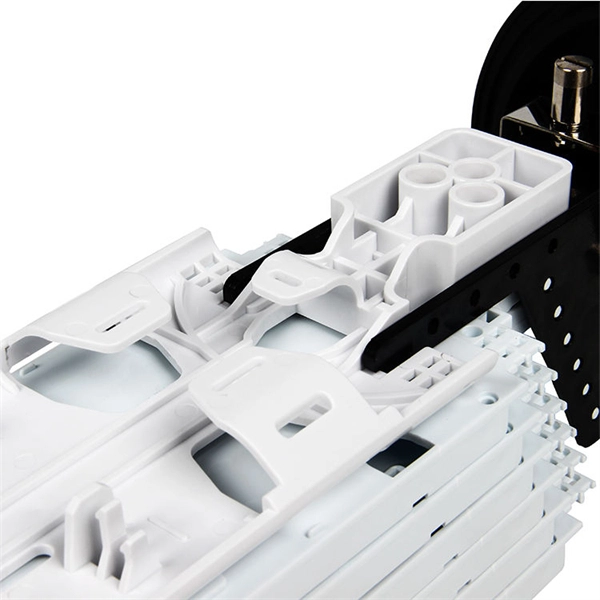
How to connect overhead optical fiber cables for telecommunications transmission
When installing aerial fiber optic cables, there are usually two methods: tying the fiber optic cable to a steel messenger or directly installing a self-supporting figure-8 aerial fiber optic cable. It provides high tensile strength, good performance of mechanical and...
-
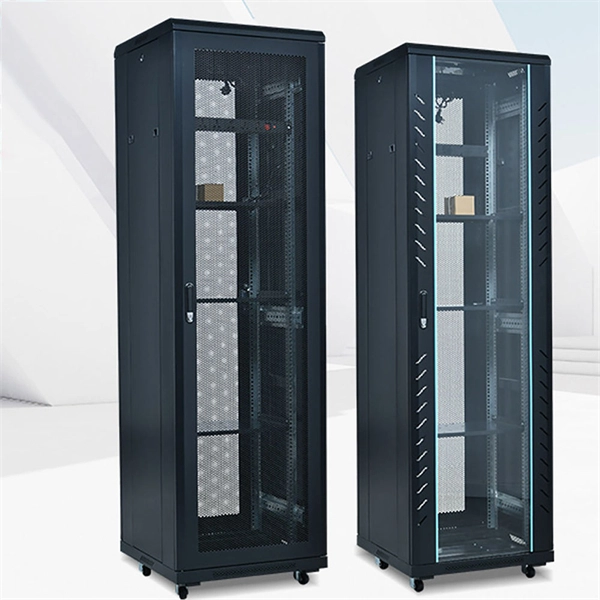
High-bandwidth transmission optical cable
Fiber-optic cables consist of thin strands of glass or plastic that transmit data as pulses of light. This technology boasts several advantages over traditional copper cables, including higher bandwidth, reduced latency, and immunity to electromagnetic interference. With...
-
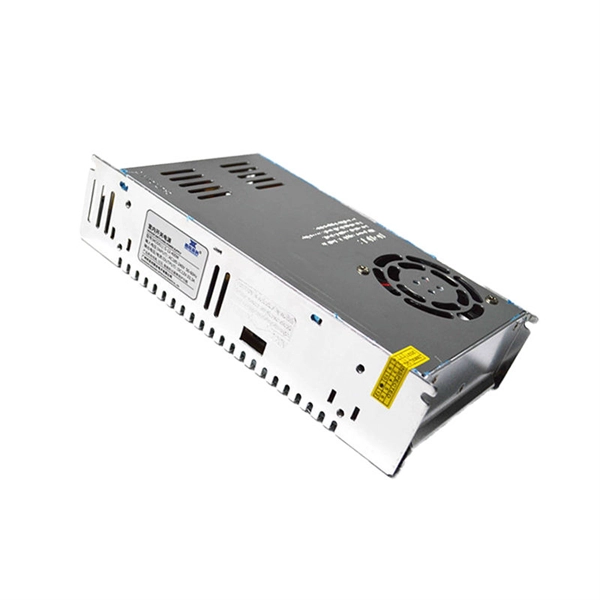
Construction of power transmission optical cable
109 describes cable construction and provides guidance for the use of optical/metallic hybrid cables, which contains both optical fibres and metallic wires for telecommunication and/or power feeding. Technical requirements may differ according to the. Recommendation ITU-T L...
-
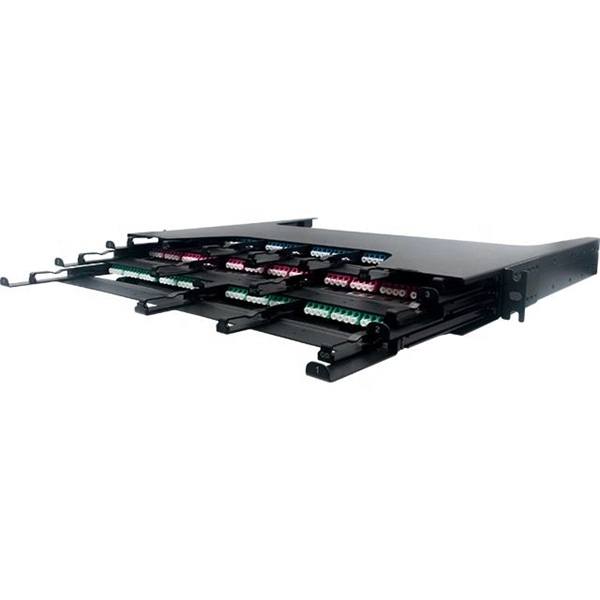
Mobile optical cable transmission distance
Fiber optic cable can be run anywhere from 300 meters up to 80 kilometers (roughly 50 miles) depending on the cable type, transceiver used, and network standard. Given perfect conditions in a lab-like setting without ensuring no signal degradation, how far could fiber optics...
-
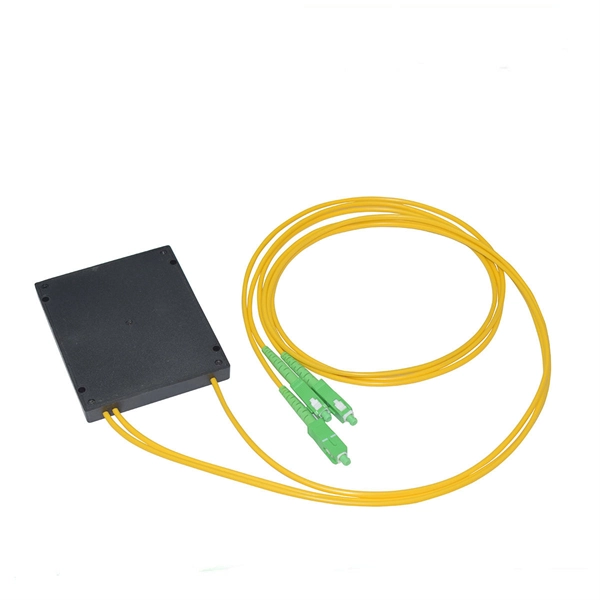
Is the optical fiber in the transmission cable electrified
Optical fiber is used as a medium for and because it is flexible and can be bundled as cables. It is especially advantageous for long-distance communications, because propagates through the fiber with much lower compared to electricity in electrical cables. This allows long...
-

How to Choose the Transmission Distance of an Optical Module
Fiber optic transmission distance varies based on fiber type, environmental conditions, and equipment selection. This guide explores the key factors affecting fiber optic transmission distance and provides practical selection guidelines for a stable and cost-effective...
[PDF Version]