
Passive Fiber Optic 6 Core Cable Terminal Box
Search optical fiber, connectivity, cable management and network infrastructure references.
- Passive
- Fiber
- Optic
Articles and technical references
11 on this page-
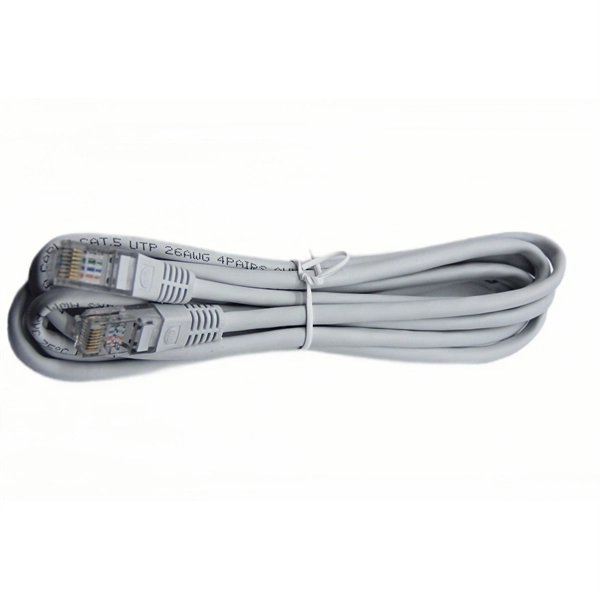
Fiber Optic and Cable Terminal Connection Methods
This article compares connector terminations, mechanical splicing, and fusion splicing, explaining when each technique is preferred in 2024 deployments. Unlike fiber splicing, which is permanent, connectors allow for easy connection and disconnection of cables, making them...
[PDF Version]
-
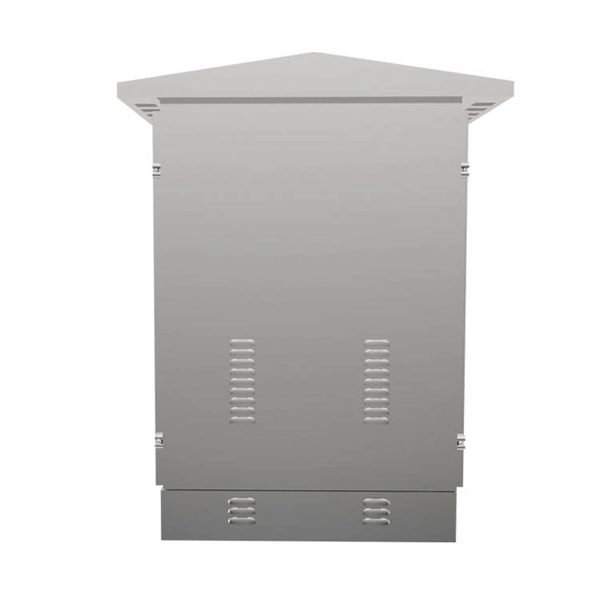
Fiber Optic Cable Terminal Box Connector Box
Fiber optic termination boxes provide a secure and organized solution for protecting and distributing fiber connections in FTTH, FTTB, and small network deployments. Designed as a compact enclosure, they support both cable splicing and termination while ensuring safe access...
-
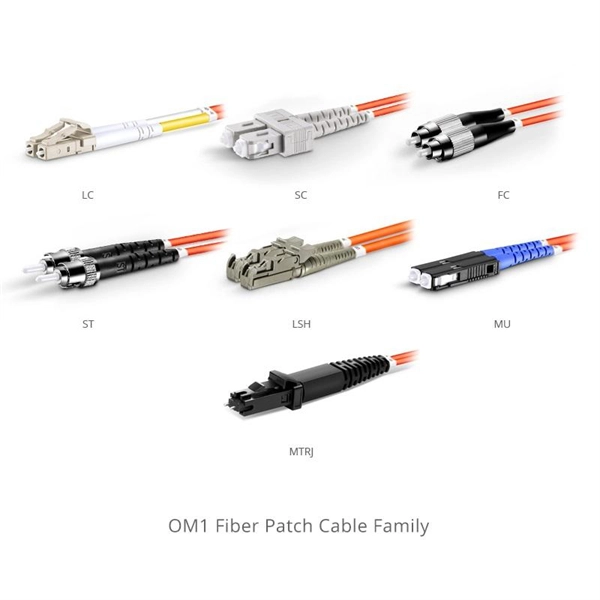
The terminal box s fiber optic cable is very messy
The fastest cure is inspection with a fiber microscope and the standard inspect → clean → inspect → mate workflow. Their function is mechanical stabilization, environmental isolation, and controlled fiber management. Installation errors do not typically cause immediate link...
[PDF Version]
-
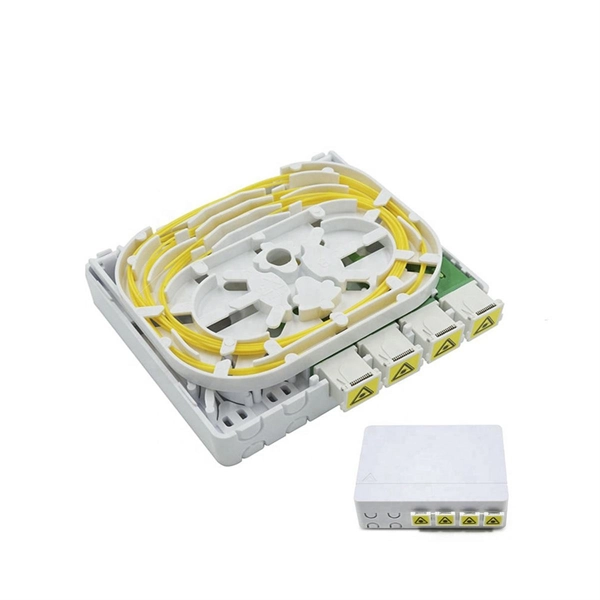
Does fiber optic cable need a terminal box Why
Fiber Termination Box, also known as FTB, typically consists of two main parts: the outer shell body and the adapter tray that protects the fiber connector points. It is a crucial component in fiber optic networks, primarily used for terminating, connecting, and managing...
[PDF Version]
-
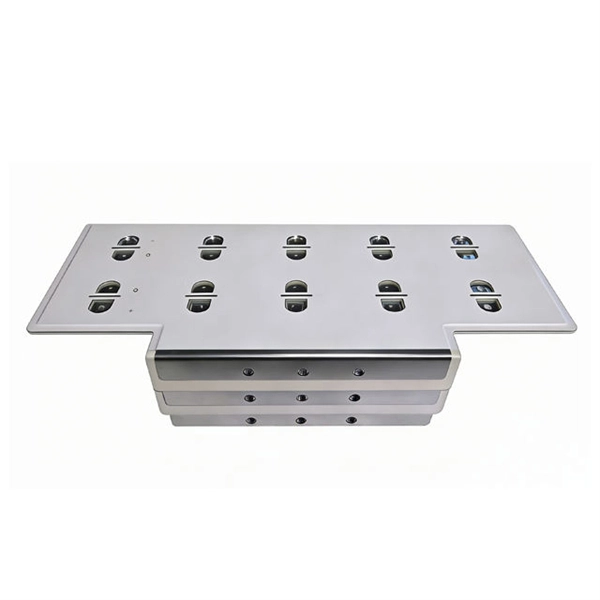
Fiber Optic Cable Terminal Box Protection Box
Fiber Connection Protection Box is a device designed for fiber optic line terminal connection and protection and is widely used in fiber optic communication systems such as fiber to the home (FTTH), local area network (LAN), and metropolitan area network (MAN). They are...
[PDF Version]
-
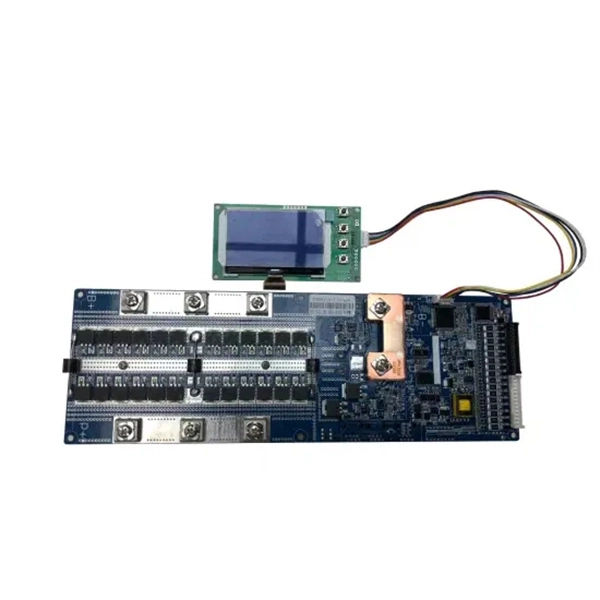
Does fiber optic cable always require a terminal box
Single-mode optical cables require terminal boxes and tail fibers that are compatible with single-mode fibers, while multimode optical cables require those that are compatible with multimode fibers. A fiber pigtail is a specific hardware connection used for cable termination...
-
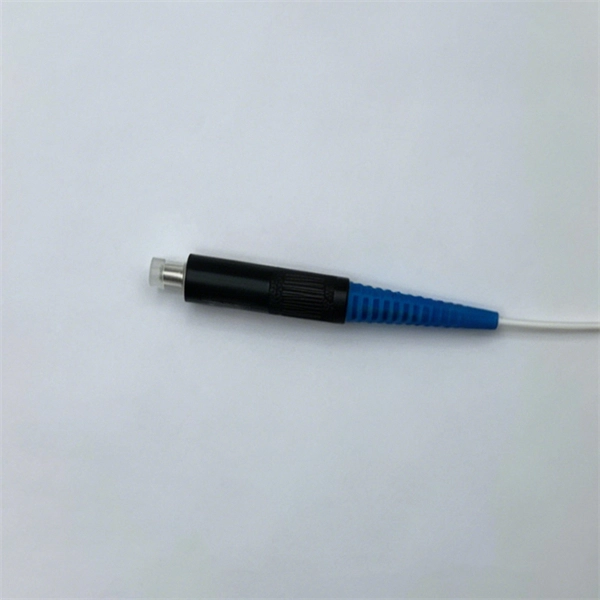
Connect the console of the core switch to fiber optic cable
Verify that the fiber optic cables and terminal blocks are compatible with the switch core. Review installation guidelines and specifications provided by the manufacturer. Of course, this assumes you're using the correct transceivers and fiber between the devices you're...
[PDF Version]
-
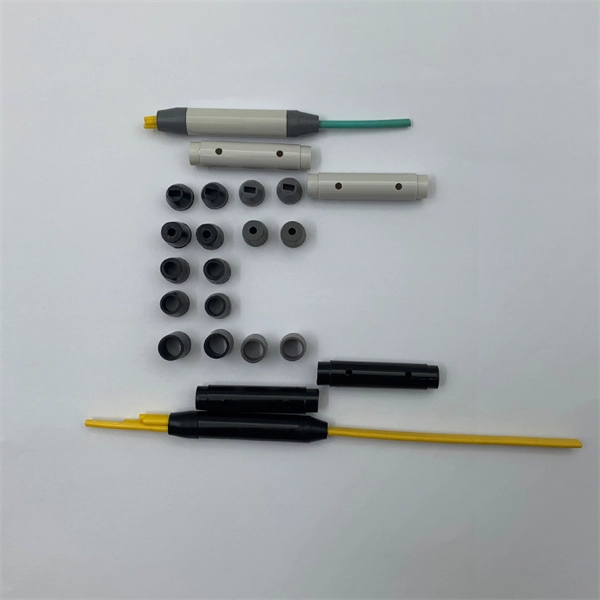
Which is better fiber optic terminal or fiber optic cable
Fiber is faster, highly reliable, more durable, and great for cloud-based or real-time work. Cable is cheaper to install and more accessible but can get slower during busy hours due to shared bandwidth and asymmetrical speed. When it comes to land-based high-speed broadband...
[PDF Version]
-
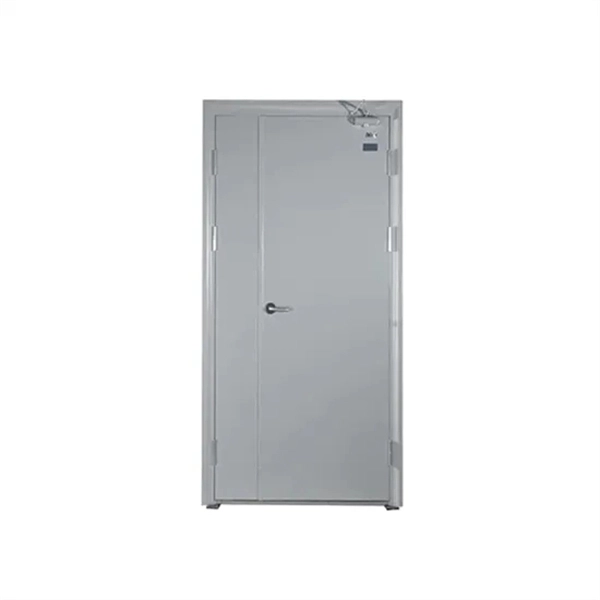
Dedicated Fiber Optic Cable Terminal Box
Discover how to select the best fiber optic terminal box for data centers, campus fiber backbones, outdoor FTTH networks, and enterprise fiber systems. Learn how environment, capacity, splicing, connector compatibility, and long-term reliability shape your choice of fiber...
[PDF Version]
-
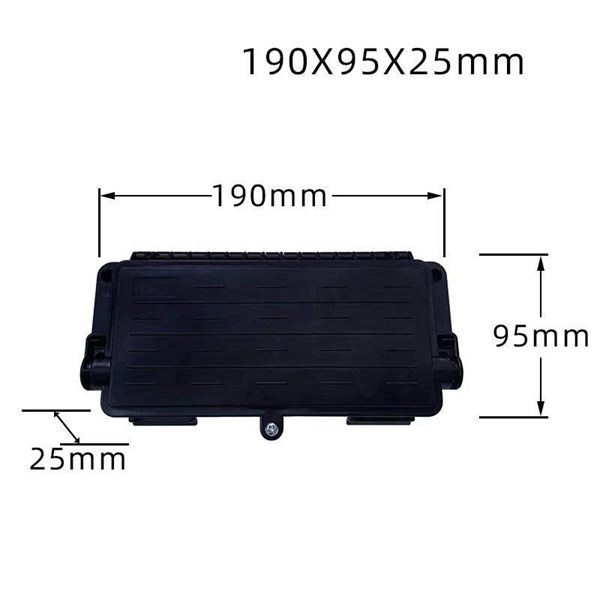
Correctly removing the fiber optic cable core
Gently flex the cable at the ring cut to separate the sheath. Grasp and wrap the ripcord around the needle nose pliers and pull back to the first ring-cut. This best practices document is a step-by-step guide for end and midspan access of loose tube optical cable, including...
[PDF Version]
-
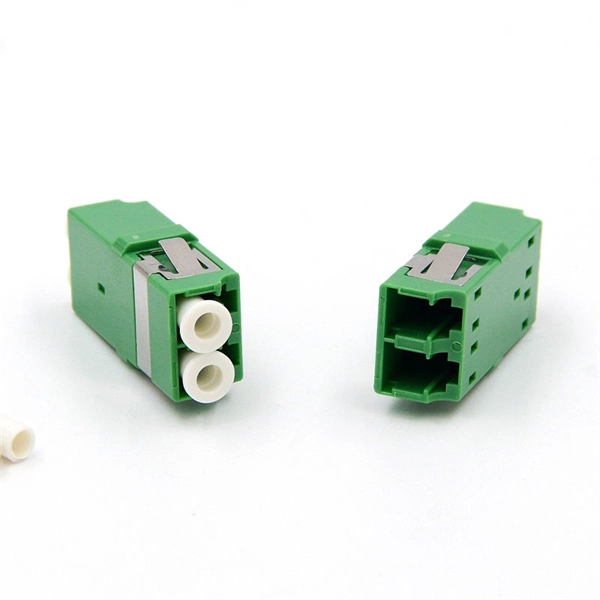
How to measure the length of an unconnected fiber optic cable core
The Optical Time Domain Reflectometer (OTDR) is useful for testing the integrity of fiber optic cables. Fiber optic cable length measurement depends on the context and desired precision. Several methods exist, ranging from simple approximations to highly accurate techniques...