
Technical notes
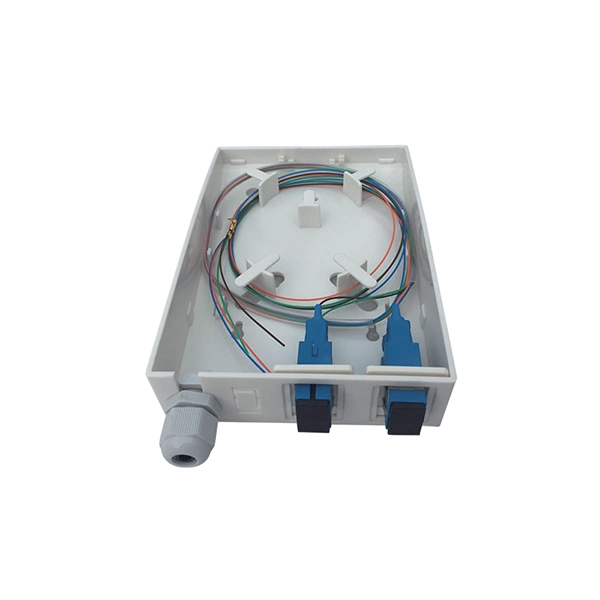
Passive Optical Device
In this chapter we will survey the key passive optical devices used in integrated photonic chips and compare the various approaches used to meet datacom application needs.
What Is Passive Optical Networking (PON)?
What Is Passive Optical Networking (PON)? Passive optical networking (PON), like active optical networking, uses fiber-optic cabling to provide Ethernet
Key innovation in Passive Optical Network (PON) technology
With its winning mix of low cost, easy scalability, and simple design, passive optical networking is powering everything from campus networks to next‑gen broadband—and it''s making
Progress in Passive Silicon Photonic Devices: A Review
Passive optical components are devices that perform their function without requiring external power or active control. They are the fundamental pipes of a PIC, responsible for
(PDF) Passive Optical Networks Progress: A Tutorial
For many years, passive optical networks (PONs) have received a considerable amount of attraction regarding their potential for providing broadband connectivity to almost every citizen,...
Passive Optical Networks Progress: A Tutorial
PONs are assembled from passive devices, such as optical fibers, connectors and power splitters, with active elements such as optical line termination (OLT) devices and optical network
An introduction to Passive Optical Network (PON) technologies
With 25G PON now commercially available, future 50G and 100G PON technologies already successfully demonstrated and standardization in the works, PON continues to be the future-proof
Coherent passive optical network: applications, technologies, and
This paper presents a comprehensive overview of the emerging coherent passive optical network (CPON) technology and its role in the evolution of next-generation PON architectures.
The Definitive Guide to Passive Optical Network (PON): Architecture
Comprehensive guide to Passive Optical Network (PON) technology, covering GPON, EPON, XGS-PON, NG-PON2, and future 50G/100G standards. Learn PON architecture,
Optical Passive Components and Their Applications
Optical passive components play a significant role in today''s data networks and FTTH applications to establish effective fiber communication. Optical Connector Optical connectors or fiber
Passive Devices | Springer Nature Link
The most relevant functionalities of passive devices are i) physically connecting devices, ii) splitting and coupling, but also iii) separating and redirecting light travelling into opposite directions
What is a passive optical network (PON) and how does it work?
Learn what a passive optical network is, how it works, and the different types of PON systems and their benefits and limitations.
Passive technologies for future large-scale photonic integrated
In this paper, passive technologies for large-scale photonic integrated circuits are described, including polarization handling, light non-reciprocity and loss reduction.
What is Optical Passive Device? Uses, How It Works & Top
What is an Optical Passive Device? At its core, an optical passive device is a component that manipulates light signals within fiber optic systems without requiring electrical power.
What Are Passive Optical Components and How Do They Work?
Passive optical devices manage the flow of data through a fiber optic network. Optical splitters, also referred to as couplers, distribute a single incoming light signal into multiple output
Chapter 9: Passive Optical Components | GlobalSpec
The devices can be categorized as either passive or active components. Passive optical components do not hum or wink or blink, since they require no external source of energy to perform an operation or
Optical Passive Device Market 2025
MARKET INSIGHTS The global Optical Passive Device Market size was valued at US$ 8.23 billion in 2024 and is projected to reach US$ 14.7 billion by 2032, at a CAGR of 8.6% during the forecast
Optical Passive Components: Types, Functions, and Applications
Optical passive components are the quiet workhorses in fiber systems. They don''t add gain or require power, but they decide how efficiently, cleanly, and Technical insights on fiber optic
Related Video Reference
This video was associated with the source search result. Verify technical details against current product documentation and project requirements.