
Plastic Optical Fibers Polymer
Search optical fiber, connectivity, cable management and network infrastructure references.
- Plastic
- Optical
- Fibers
Articles and technical references
9 on this page-

Regulations for Communication Cables and Optical Fibers
This article explains eight of the most important global fiber and cable standards — ITU-T, IEC, TIA, ISO/IEC, and Telcordia — covering their scope, applications, and why they matter in real-world deployments. Fiber optic networks are built on well-defined standards that...
[PDF Version]
-
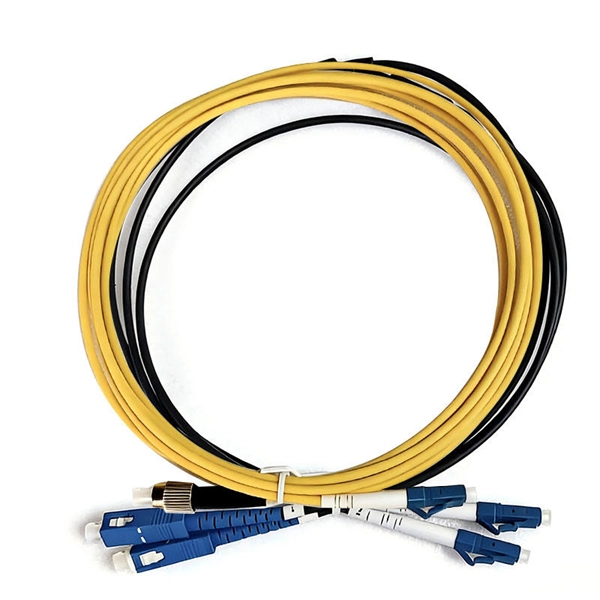
Fireproof wires cables and optical fibers
In this guide, we list the Top 5 Global Manufacturers who set the standard for fire safety. We will also clarify the confusing jargon (OFNR vs. IEC 60331) and show you how to source safety-compliant cables without breaking your budget. ETK Kablo 's fire-resistant fiber optic...
[PDF Version]
-

Advantages and disadvantages of twisted-pair cables and optical fibers
Twisted pair cable is the most cost-effective choice for coaxial cables and optical fibers, but the bandwidth is also lower and the attenuation is higher, that is, the farther the distance, the worse the performance. They are also prone to wear and must be maintained...
[PDF Version]
-
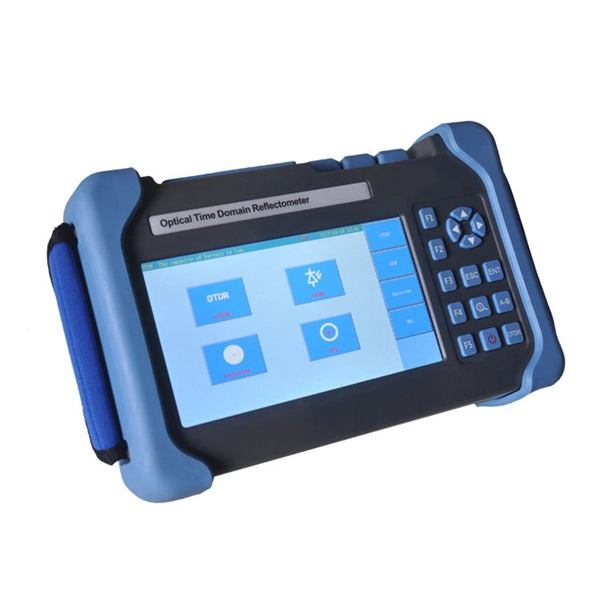
Principle of Optical Power Meter Measurement of Dual Fibers
An optical power meter (OPM) is a type of electronic test device used to measure the power output of fiber optic equipment or the power or loss of an optical signal transmitted through a fiber cable. An OPM uses a photodiode to generate an electrical current proportional to...
[PDF Version]
-
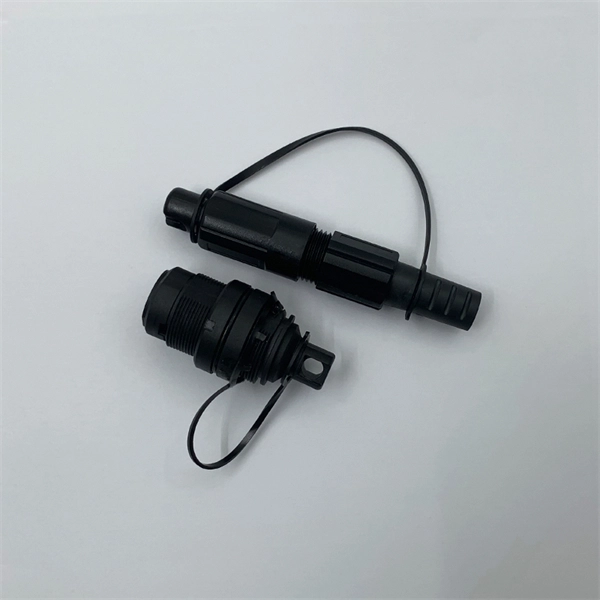
Are optical fibers inside fiber optic cables prone to breakage
Due to their thin geometry, optical fibers are prone to breaking, and each broken fiber contributes to loss of signal, affecting your data. Choosing a high-quality, rugged fiber optic cable will minimize fiber breakage and maintain the highest spectral transmission with every...
[PDF Version]
-
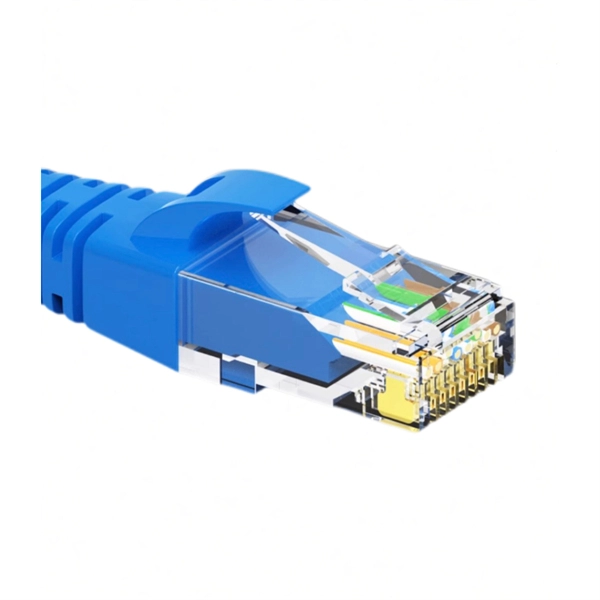
Electromagnetic waves are transmitted via cables and optical fibers
Modern fiber-optic communication systems generally include optical transmitters that convert electrical signals into optical signals, optical fiber cables to carry the signal, optical amplifiers, and optical receivers to convert the signal back into an electrical signal. The...
[PDF Version]
-
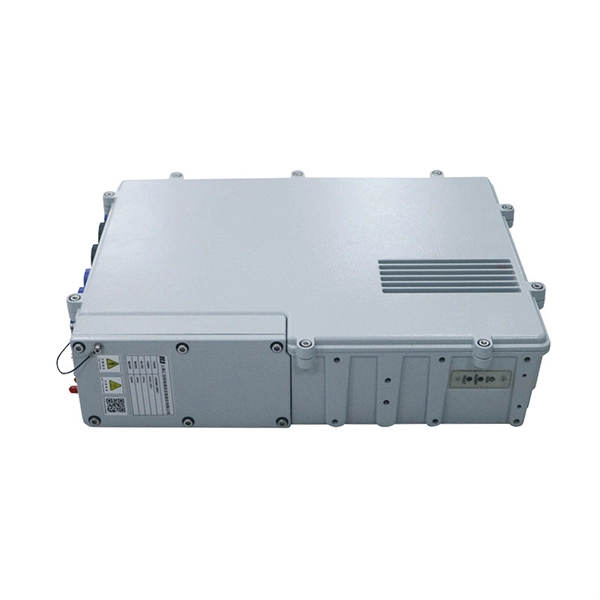
Technical Requirements for Imported Cables and Optical Fibers
This article explains eight of the most important global fiber and cable standards — ITU-T, IEC, TIA, ISO/IEC, and Telcordia — covering their scope, applications, and why they matter in real-world deployments. While the US relies heavily on TIA/EIA standards (like TIA-568)...
[PDF Version]
-
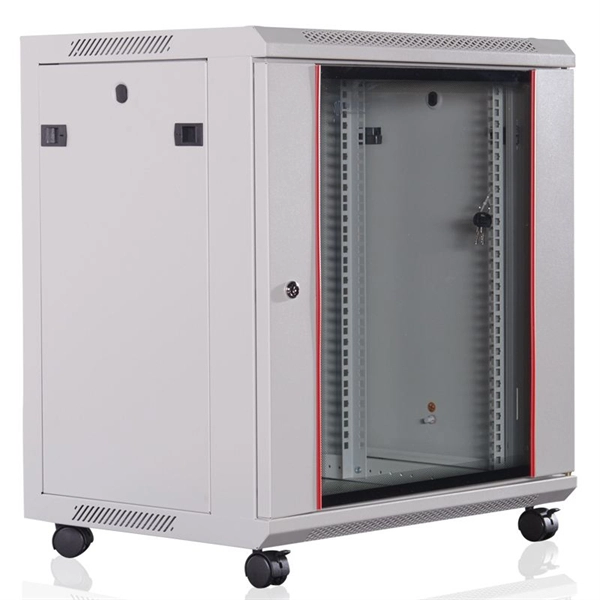
Methods for stripping optical fibers in optical cables
Mechanical fiber strippers for Large Diameter Fibers (LDF) for removing various coating materials from windows and fiber ends. Without question, good stripping techniques in your fiber optic cable assembly process are imperative. Eventually, this imperfection can initiate a...
[PDF Version]
-
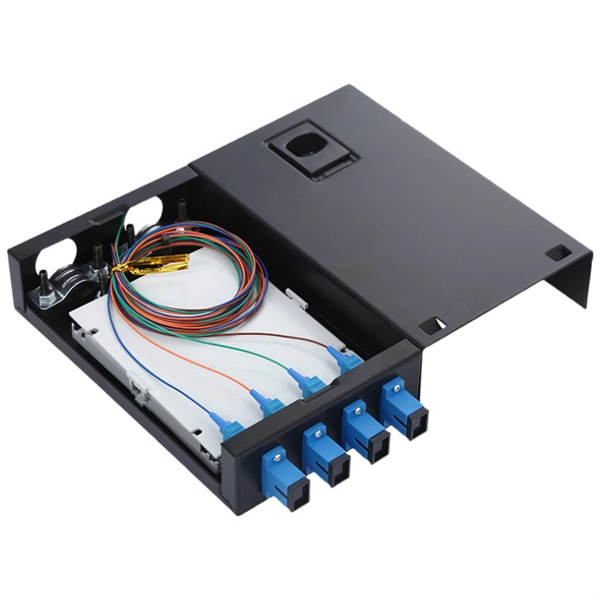
Are optical fibers available worldwide
Fiber optics are becoming more common worldwide to fulfill the demands of new technologies that require more bandwidth. 07 billion in 2023 and is projected to continue growing, in spite of price pressures from inflation. 8 billion subscribers and surged in data centers, smart...
[PDF Version]