
Polarization Maintaining Fibers Explained
Search optical fiber, connectivity, cable management and network infrastructure references.
- Polarization
- Maintaining
- Fibers
Articles and technical references
10 on this page-
Blue Light Polarization Maintaining Fiber
A polarization-maintaining (PM) fiber is a specialty optical fiber designed to preserve the linear polarization of light launched into it. It achieves this not by eliminating birefringence, but by having a very strong, well-defined internal birefringence. How do. 📦 For...
-

Regulations for Communication Cables and Optical Fibers
This article explains eight of the most important global fiber and cable standards — ITU-T, IEC, TIA, ISO/IEC, and Telcordia — covering their scope, applications, and why they matter in real-world deployments. Fiber optic networks are built on well-defined standards that...
[PDF Version]
-
Fireproof wires cables and optical fibers
In this guide, we list the Top 5 Global Manufacturers who set the standard for fire safety. We will also clarify the confusing jargon (OFNR vs. IEC 60331) and show you how to source safety-compliant cables without breaking your budget. ETK Kablo 's fire-resistant fiber optic...
[PDF Version]
-
Advantages and disadvantages of twisted-pair cables and optical fibers
Twisted pair cable is the most cost-effective choice for coaxial cables and optical fibers, but the bandwidth is also lower and the attenuation is higher, that is, the farther the distance, the worse the performance. They are also prone to wear and must be maintained...
[PDF Version]
-
Quick removal of bundled tail fibers
Some methods factory make the connector with a fiber stub which is spliced to the fiber for termination. However, either epoxy or anaerobic adhesives followed by polishing have been determined to be the best methods. Factories terminating fibers use heat-cured epoxies because...
[PDF Version]
-
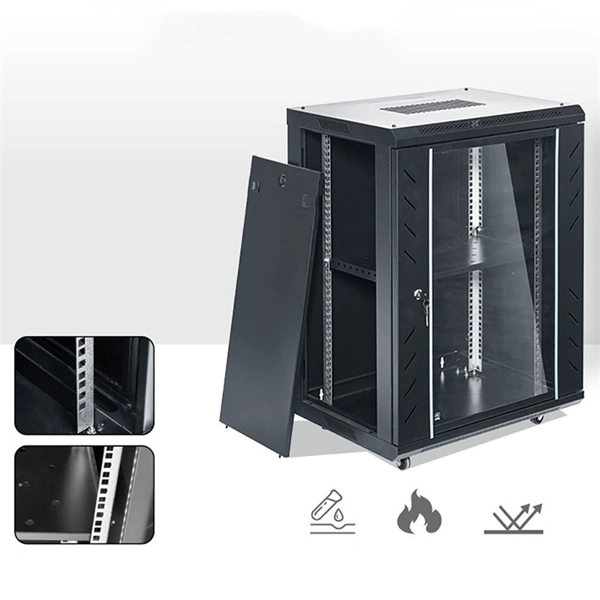
Can leather fibers and pigtail fibers be melted together
The most common method is fusion splicing, where fibers are aligned and melted together using an electric arc. Fusion splices produce very low loss and are. Fusion splicing uses a precision arc discharge between two electrode rods to heat and fuse the cleaved fiber ends...
[PDF Version]
-

Principle of Optical Power Meter Measurement of Dual Fibers
An optical power meter (OPM) is a type of electronic test device used to measure the power output of fiber optic equipment or the power or loss of an optical signal transmitted through a fiber cable. An OPM uses a photodiode to generate an electrical current proportional to...
[PDF Version]
-
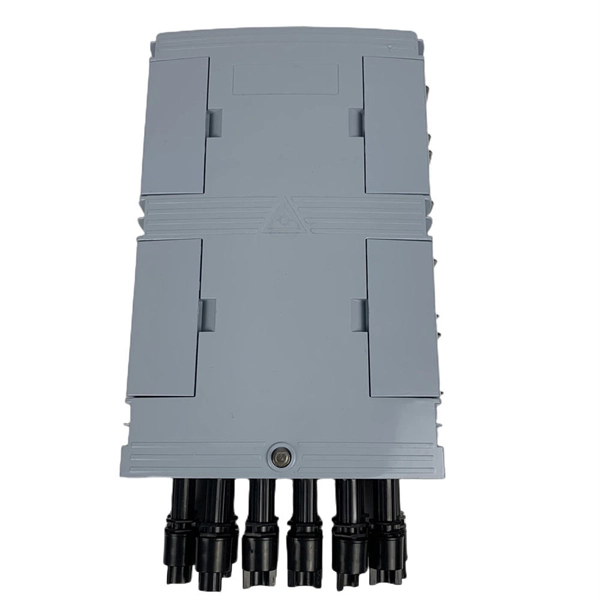
How are pre-fabricated finished pigtail fibers made
Some guys may need clarification about fiber optic pigtails and patch cords. What is the similarity, and what is the difference? First, the most critical difference is the fiber connector.Fiber optic pigtails have only.
-
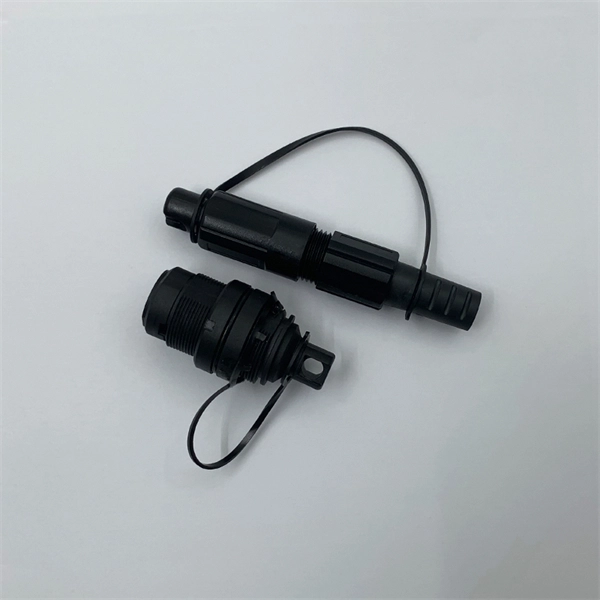
Are optical fibers inside fiber optic cables prone to breakage
Due to their thin geometry, optical fibers are prone to breaking, and each broken fiber contributes to loss of signal, affecting your data. Choosing a high-quality, rugged fiber optic cable will minimize fiber breakage and maintain the highest spectral transmission with every...
[PDF Version]
-
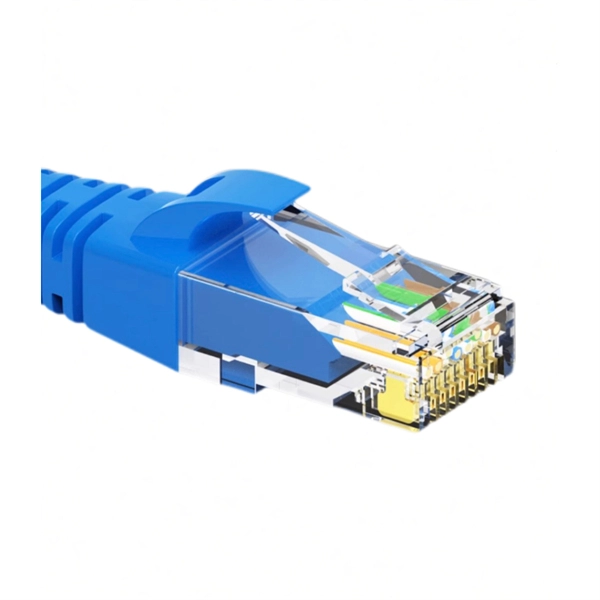
Electromagnetic waves are transmitted via cables and optical fibers
Modern fiber-optic communication systems generally include optical transmitters that convert electrical signals into optical signals, optical fiber cables to carry the signal, optical amplifiers, and optical receivers to convert the signal back into an electrical signal. The...
[PDF Version]
Continue in the technical library
- High-Temperature Well Logging Optical Cable Technology
- Installation Requirements for Busbar Bushings of High Voltage Switchgear
- Warranty period for photovoltaic combiner boxes
- Quantum communication optical cable trays are resistant to high temperatures
- Insufficient Ethernet ports in the core switch
- Should distribution boxes be made of plastic or steel