
Port Aggregation Configurations
Search optical fiber, connectivity, cable management and network infrastructure references.
- Port
- Aggregation
- Configurations
Articles and technical references
11 on this page-
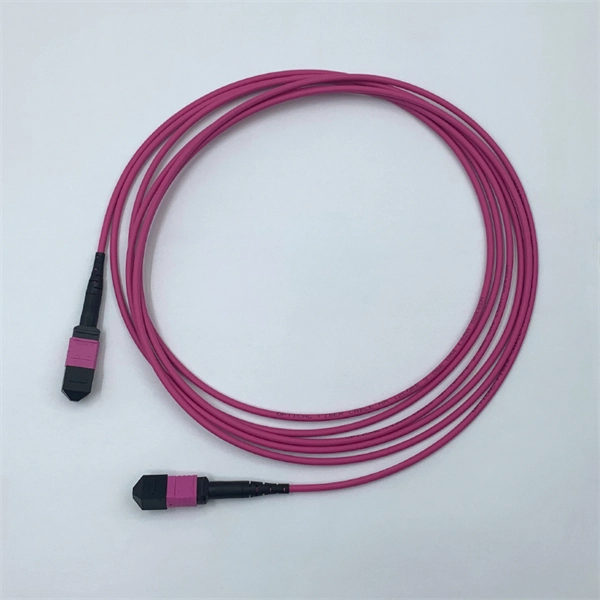
Broadband Management Switch Port Aggregation
Port aggregation allows you to group multiple physical ports into one unit. This method increases bandwidth and keeps connections stable if one link fails. It helps in managing higher traffic loads between switches.
-
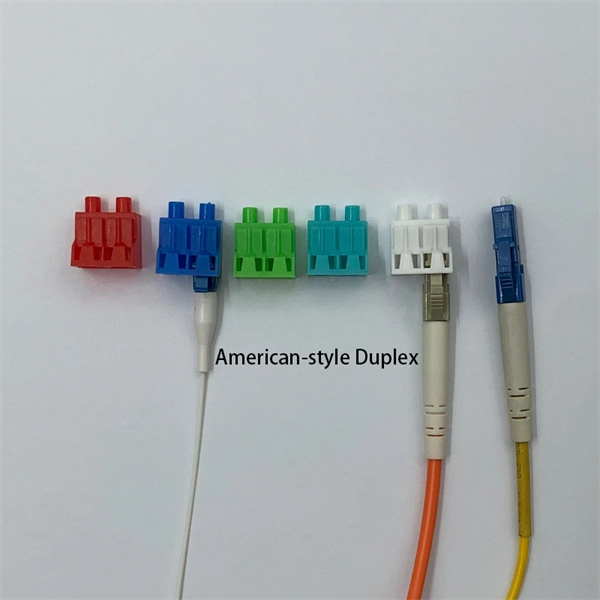
Networking with All-Optical Port Aggregation Switches
Equipped with future-proof fiber-optic and multi-Gigabit Ethernet (mGbE) ports as well as high-throughput uplink and stacking ports, they form the basis for efficient and fail-safe networks. Stacking allows network expansions, redundancy scenarios, and single IP. An...
[PDF Version]
-
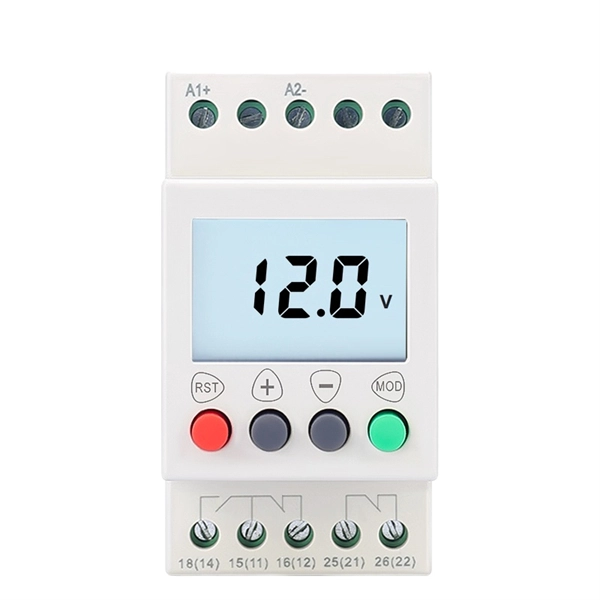
Advanced Applications of Switch Port Aggregation
Port aggregation offers significant benefits for enterprise networks, including higher throughput, improved redundancy, and efficient traffic management. Businesses with high traffic loads or mission-critical systems can greatly enhance performance and reliability by...
[PDF Version]
-
What are the uses of the aggregation port on a switch
What Are Link Aggregation, LAG, and LACP? Link Aggregation Group (LAG) is the practical implementation of link aggregation, where multiple physical ports a.
[PDF Version]
-
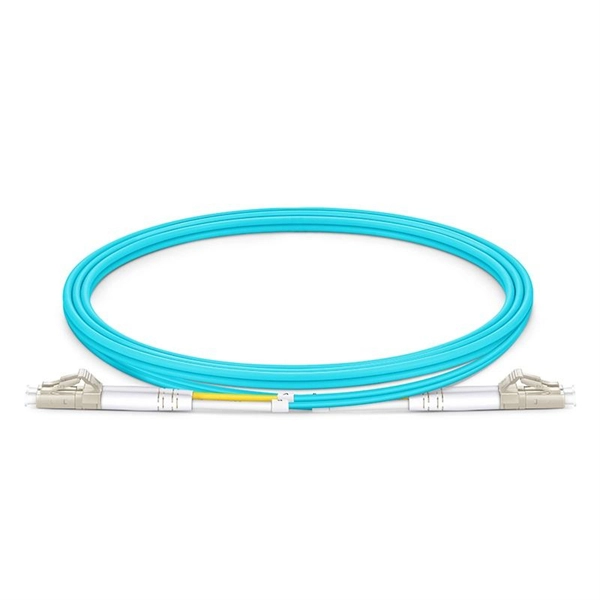
Managed Switch Port Aggregation Function
What Is an Aggregation Switch and How to Choose? Discover the role of aggregation switches. Explore differences between aggregation, access, and core switc.
[PDF Version]
-
Switch Optical Port Stacking Principle
Stacking is the process of connecting multiple physical network switches together, so they function as a single, logical switch. This logical switch features a unified management IP address, a single configuration file, and shared forwarding tables (such as MAC address...
[PDF Version]
-
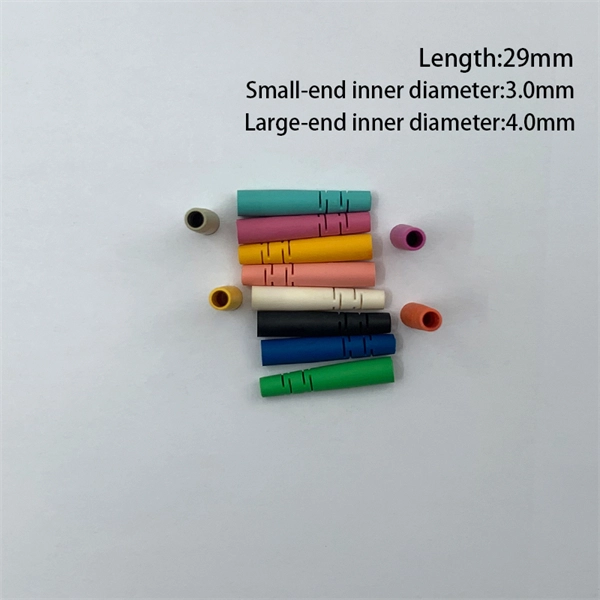
Does the fiber optic terminal box have a network port
Ethernet Port: These ports are used to share the internet connection with your router or modem. It carries the digital signals that the ONT has created/converted from the fiber-optic cable signals. It terminates the drop cable and presents standardized adapter ports (commonly...
-
Optical module access conversion port
The SFP+ port is a high-speed optical-to-optical signal conversion port, mainly used for 10G Ethernet and Fiber Channel network applications. A key advantage of SFP+ Modules is that they are "hot-swappable", meaning they can be swapped out while the router is still powered...
-
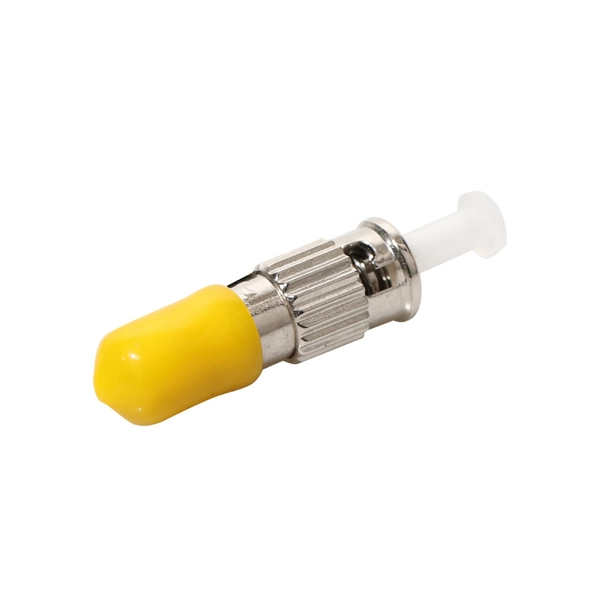
Switch optical port receives optical signals
An all-optical Ethernet switch is a network switch whose service ports are entirely optical, meaning every interface uses fiber rather than copper. This design enables end-to-end optical signal transmission, avoiding the conversion between electrical and optical signals at...
[PDF Version]
-
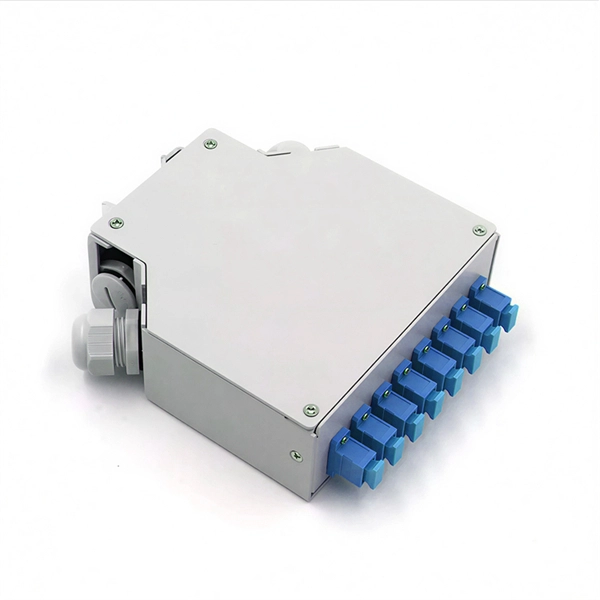
Checking port optical power on an H3C switch
Use the display poe interface interface-type interface-number command to display the PoE status of a specific port on the switch. We connect Moduletek QSFP-40G-LR4 transceiver to H3C S6820 switch, and demonstrate how to view port status and transceiver details on H3C devices...
-
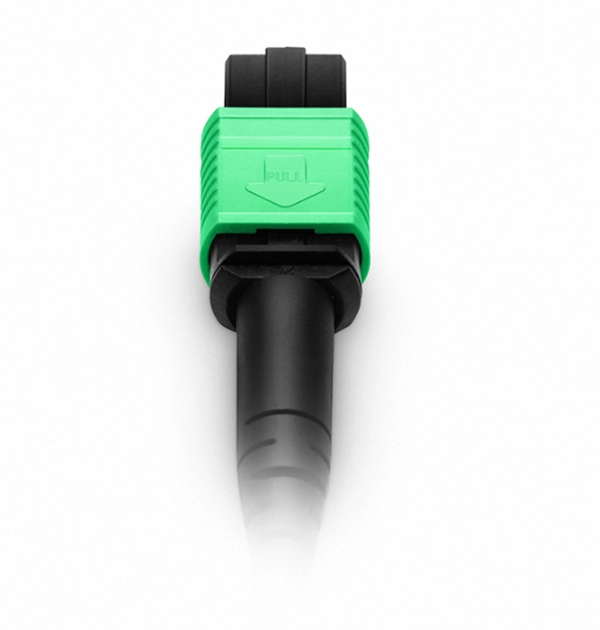
How to use the fiber optic input port of a switch
In this video, I'll break down 3 easy and practical ways to use fiber ports for high-speed connections: ✅ Method 1: SFP Copper Transceivers (RJ45 Media Converters) ✅ Method 2: Optical Modules + Fiber Patch Cables (LC-LC, Multimode/Singlemode) ✅ Method 3: Plug-and-Play. In...
[PDF Version]