
Propagation Losses Absorption Scattering Loss
Search optical fiber, connectivity, cable management and network infrastructure references.
- Propagation
- Losses
- Absorption
Articles and technical references
11 on this page-
BESS energy storage system with low loss is used in photovoltaic power plants
According to IEC 62933-2-1, rated energy capacity determines the storage power of the system, while round-trip efficiency above 98% minimizes energy loss. A minimum lifetime of 6000 cycles with 80% Depth of Discharge (DoD) and a maximum self-discharge rate of 4% per month is...
[PDF Version]
-
Fiber optic circulator measurement of fiber return loss
Optical return loss is the amount of light that is reflected back to the source, this reflected light is measured at each connector and splice at each point over the entire fiber link. It is also called. Beginning with software release 1. Optical return loss for individual...
[PDF Version]
-
Optical loss of optical module
Optical losses are caused by light reflection and absorption in the front stack of module materials, as well as by light incidence on inactive module areas, such as the module perimeter, cell interspaces and top contacts. Losses can be divided into intrinsic and. Insertion...
[PDF Version]
-
Columbia MTP Connector Low Loss
Pre-terminated MTP® modules provide a low loss transition from trunk cables to duplex patch cords. All modules are manufactured using enhanced optical fiber and low loss connectors. By only utilizing low loss connectors on both the standard LC connectors and the MTP Elite Low...
[PDF Version]
-
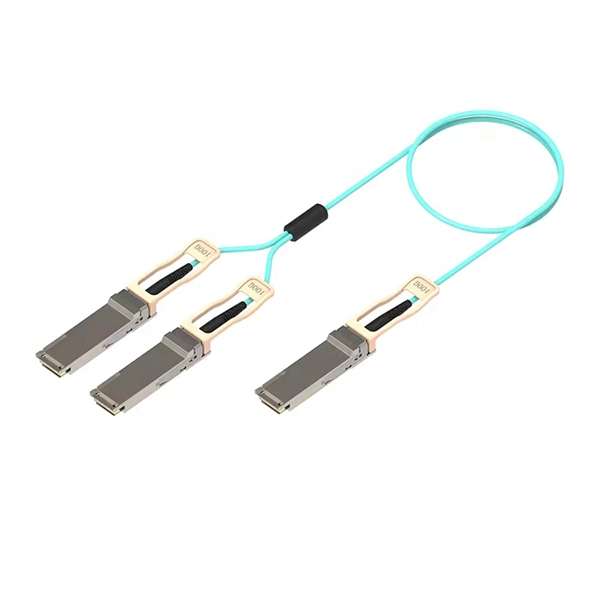
Insertion Loss of Optical Attenuators
Insertion loss, also known as attenuation, is the loss of optical power that occurs when light passes through a fiber optic connector. It is caused by factors such as misalignment, air gaps, and imperfections in the connector components. If an optical device is inserted into...
-
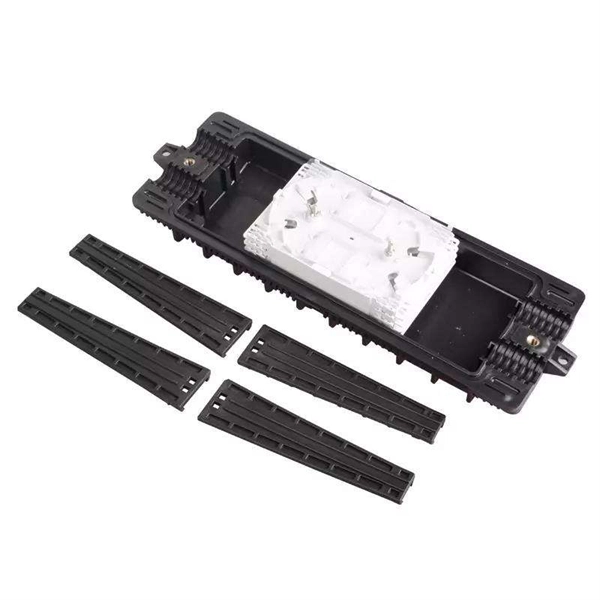
Low loss of fiber optic melting tray
Fusion splicing is the gold standard in fiber optic splicing. It connects two optical fibers by melting their ends together. The utility model discloses a double-sided fiber-melting integrated tray, relates to the field of communication optical cables, and aims to solve the...
[PDF Version]
-
Losses in the Optical Cable Industry
Intrinsic Optical Fiber Losses comprise of absorption loss, dispersion loss and scattering loss caused by the structural defects. If the measured loss exceed the calculated loss by a significant amount (remembering the inherent uncertainty in all measurements), the system...
-
Packet loss rate in optical fiber transmission
For multimode fiber, the loss is about 3 dB per km for 850 nm sources, 1 dB per km for 1300 nm. 5 dB/km max per EIA/TIA 568) This roughly translates into a loss of 0. A significant signal loss in the optical fiber can cause unreliable transmission and potentially result in...
[PDF Version]
-
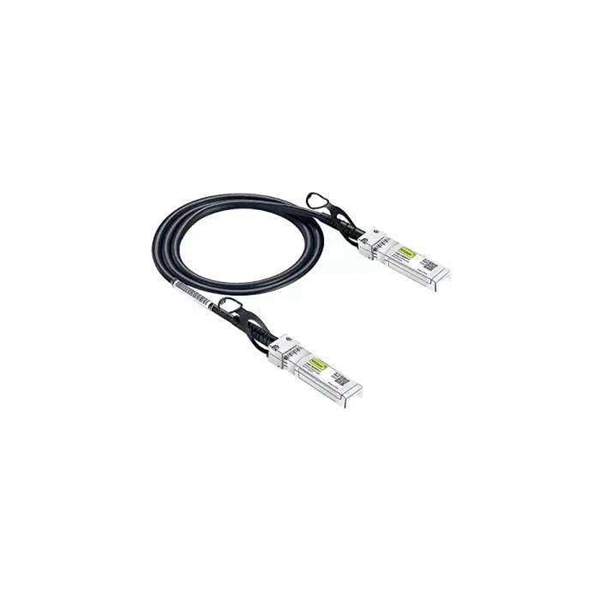
Optical splitter national standard insertion loss
Testing a splitter or other passive fiber optic devices like switches is little different from testing a patchcord or cable plant using the two industry standard tests, OFSTP-14 for double-ended loss (connectors on both ends) or FOTP-171 for single-ended testing. Optical...
[PDF Version]
-
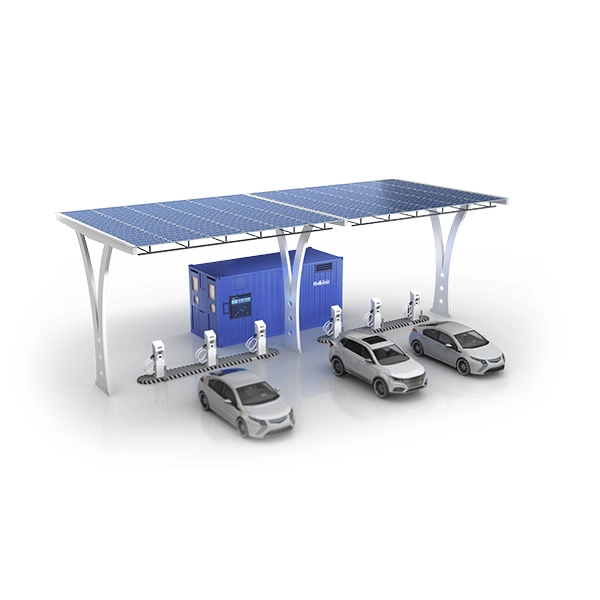
FTTH uses optical circulators for low loss
Here, we present a solution to this issue by realizing low-loss (0. 81 dB), broadband (at least 50 GHz bandwidth) and high-extinction (up to 27 dB) circulators, based on Mach-Zehnder interferometers including so-called fiber null-couplers. The latter are directional couplers...
[PDF Version]
-
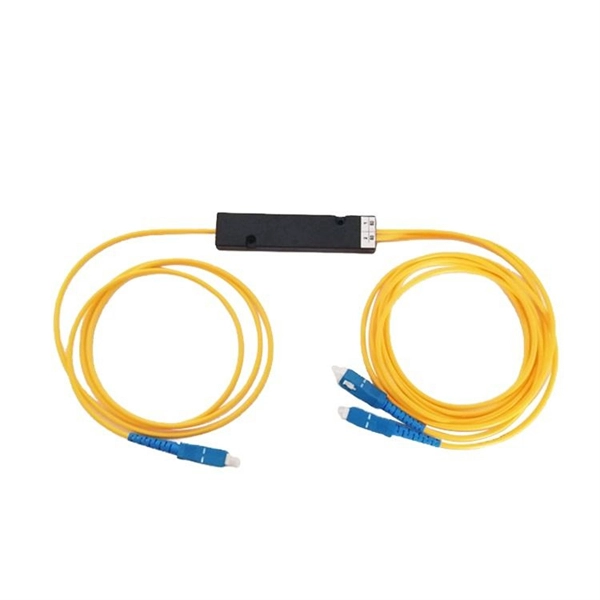
How to measure fiber optic loss
The conventional method, known as the cutback method, involves coupling fiber to the source and measuring the power out of the far end. This loss can be caused by a multitude of factors, ranging from intrinsic material properties to environmental conditions. While some loss...