
How can one identify a broken fiber optic cable?
To identify a broken fiber optic cable, start by performing a visual inspection for any physical signs of damage, such as bends, cracks, or breaks...
Search optical fiber, connectivity, cable management and network infrastructure references.
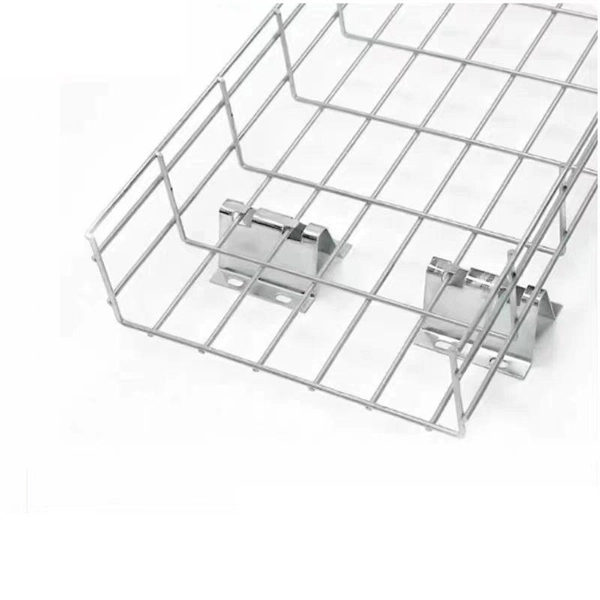
This helps keep fiber optic cables safe from harm and signal problems when you put them in. Try new methods like air blowing. In this comprehensive guide, we explore the expertise required for successful fiber optic cable pulling, examine industry challenges, detail safety...
[PDF Version]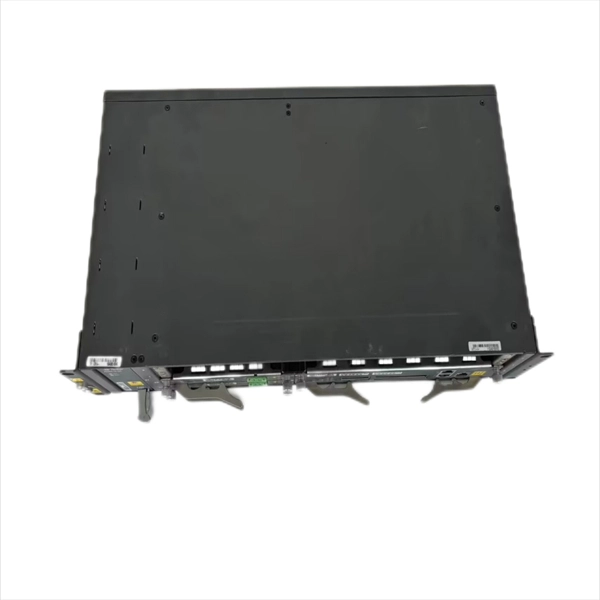
A complete fiber optic cable pulling jobsite setup requires a Fiber Optic Cable Puller (with foot control and hoses), a capstan, a puller mount, and a hydraulic power source. These components are purchased separately; the options for pullers, capstans, and mounts are listed...
[PDF Version]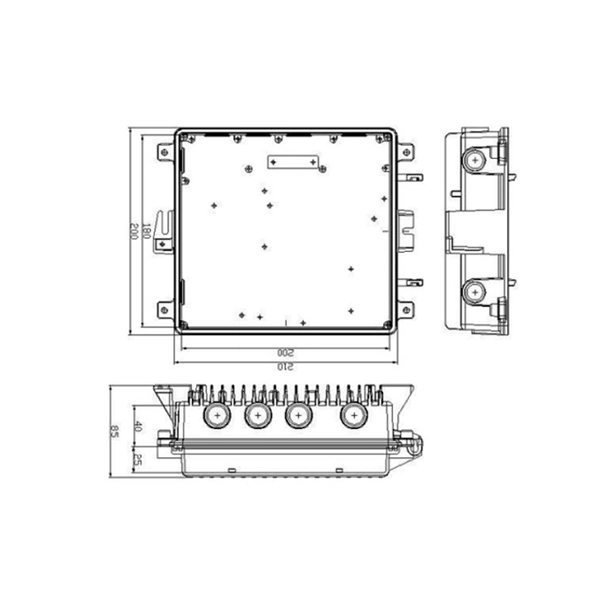
Professionals use two main tools: a bright red laser for short distances and a special computer for long distances. Finding the spot quickly keeps the project moving and saves money. This guide provides a detailed roadmap for locating and fixing fiber optic cable breaks...
[PDF Version]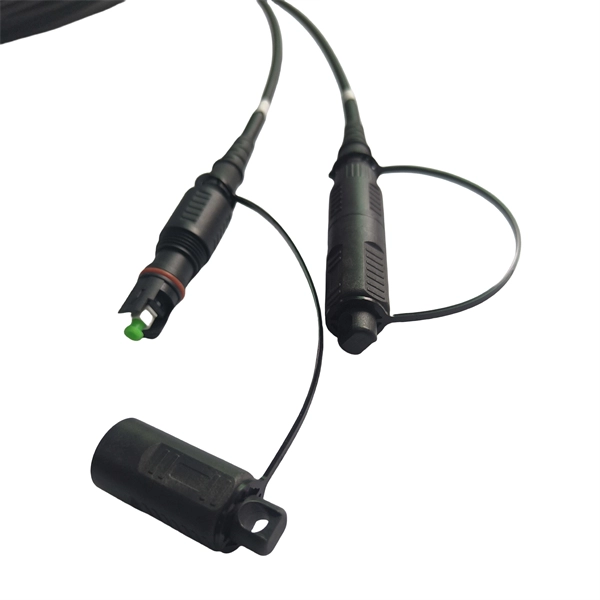
One method of installing cables is manual or mechanical pulling into PE ducts. Fiber blowing and fiber pulling are two primary methods used in ODN, metro, and backbone fiber installation. While both techniques achieve the same goal—placing fiber cables inside ducts—their...
[PDF Version]
Fiber Optic Troubleshooting Guide: Problems, Tools & SolutionsThis guide offers practical steps to troubleshoot fiber optic cable issues, covering common p.
[PDF Version]To identify a broken fiber optic cable, start by performing a visual inspection for any physical signs of damage, such as bends, cracks, or breaks...
There are several methods to test fiber optic cables without a tester. One method is using a visual fault locator (VFL), as mentioned earlier, to v...
Intermittent fiber optic connections can be caused by a variety of factors, including: Poorly terminated connectors or splices that result in unsta...
2 The optical fibers in ADSS cable are made of doped silicon dioxide, extremely fragile, and can be damaged due to external tension and pressure load. This guide provides general recommendations for the selection of methods, equipment, and tools for the stringing of ADSS (All...
[PDF Version]
This guide covers the critical steps, from selecting the right electrical cable tray and performing accurate cable fill calculations to managing a safe cable pull through and ensuring all bonding and grounding requirements are met. But before you lay the first tray or clamp...
[PDF Version]
The tension Clamp for fiber cable is designed to fix and keep the tensile state fiber. Usually, the fiber laying around the electric transmission line or laying on the building is resistant and wears less than 50m. These clamps provide a secure foundation for the cables...
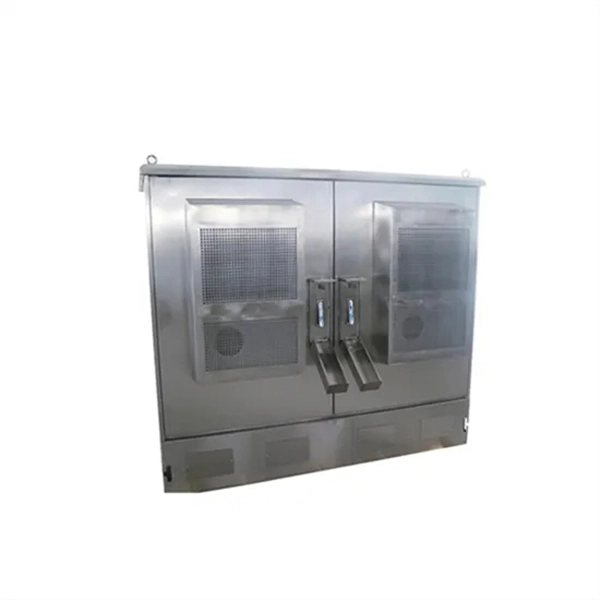
Fiber Optic Line Construction Along Railways: Installation MethodsLearn best practices for fiber optic line construction along railways: route planning, in.
[PDF Version]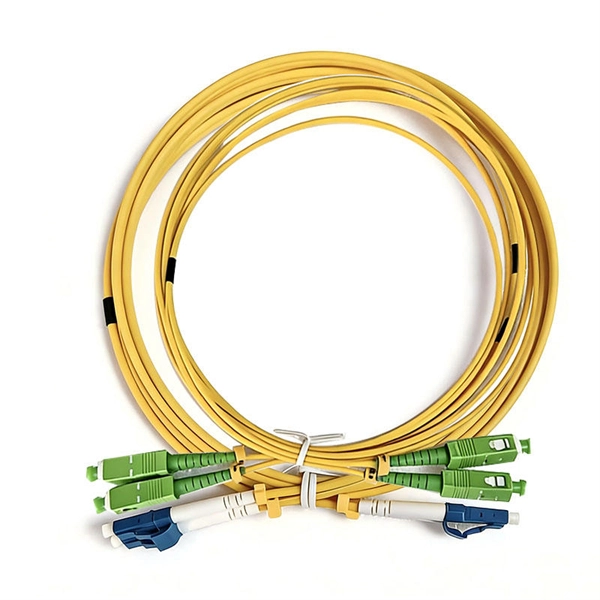
Cable Tray Technical Guide A practical guide to product selection and. A practical guide to product selection and installation This guide for engineers a.
[PDF Version]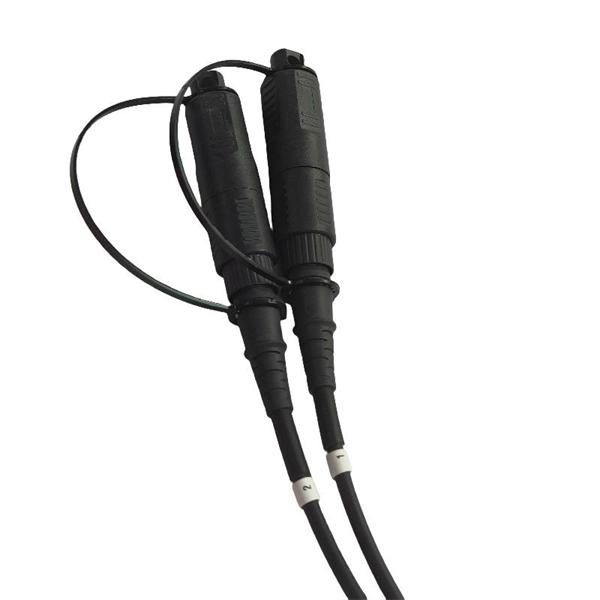
OPTICAL FIBRE CABLES INSTALLATION GUIDE Cable laying refers to deploying the optical fibre cable between the ends to be connected. There are several laying.
[PDF Version]Share the fiber interfaces, termination capacity, cable route and evidence required for handover.