
Protective Relaying Principles And Applications
Search optical fiber, connectivity, cable management and network infrastructure references.
- Protective
- Relaying
- Principles
Articles and technical references
9 on this page-
Fiber Optic Sensing Principles and Applications
Fiber Optic Sensors: Fundamentals, Principles & ApplicationsRadiation absorption creates electronic excited states that are trapped by localized defects fo.
[PDF Version]
-
Relay Protection Principles 13
Also principles of various protective relays and schemes including special protection schemes like differential, restricted, directional and distance relays are explained with sketches.
-
Functions and Applications of Fiber Array Grinding Discs
Fiber discs are heavy-duty abrasive discs designed for aggressive sanding, grinding, and surface preparation on metal, wood, and fiberglass. A high removal rate combined with a long service life and an optimal grinding pattern are the requirements for fiber discs in...
[PDF Version]
-

Network Cabinet Installation Principles
This guide provides essential best practices for server rack setup and organization, covering steps for effective installation, cable management, standards compliance, power distribution, cooling methods, and security measures. An in wall network cabinet is a special type of...
-
Principles of Fiber Optic Sensor Chips
This article explores the different types of Fiber Optic Sensors, their working principles, and various applications. P 603 Radiation absorption excites an orbital electron to a higher energy level. A sensor is a device that measures a physical quantity and converts it into...
-
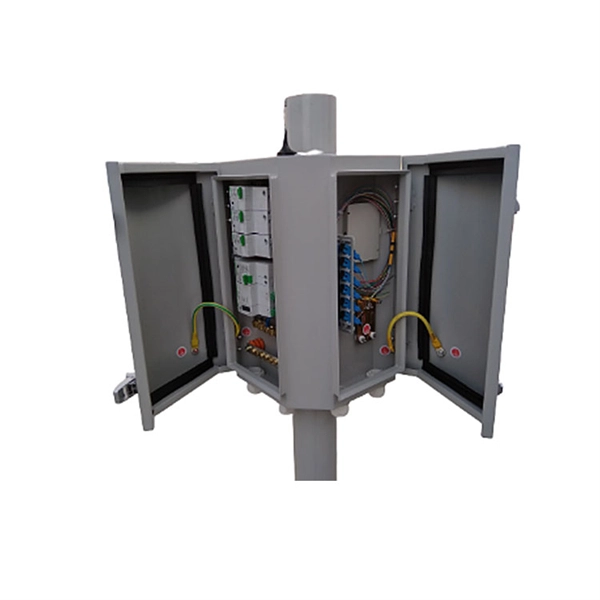
Protective sheath for spliced drop cables
The fiber optic drop cable protection box is a durable case designed to house and protect spliced cables, especially when used with a thermal protection tube after hot melting. Splice enclosure and protection products are used to guard junctions of fiber optic or electrical...
[PDF Version]
-
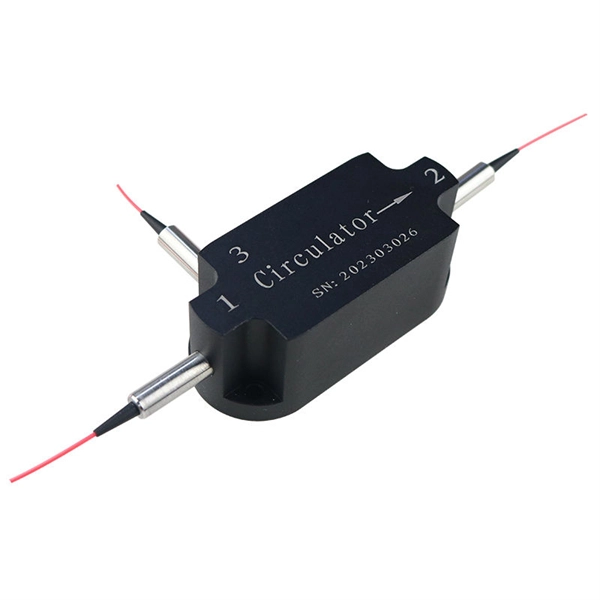
Communication optical cable through protective conduit
A communication conduit is a type of protective tubing used to house and route low-voltage communication cables. These cables may include: Fiber optic cables (for high-speed internet and data transmission) Ethernet cables (Cat5e, Cat6, Cat6A for LAN networks) Coaxial cables...
[PDF Version]
-

Principles and Advantages of Fiber Optic Communication
It covers key advantages such as security, immunity to electromagnetic interference, lightweight design, high bandwidth, and safety, along with the nature of light and its role in fiber-optic communication. Fiber-optic communication is a method of transmitting data from one...
[PDF Version]
-
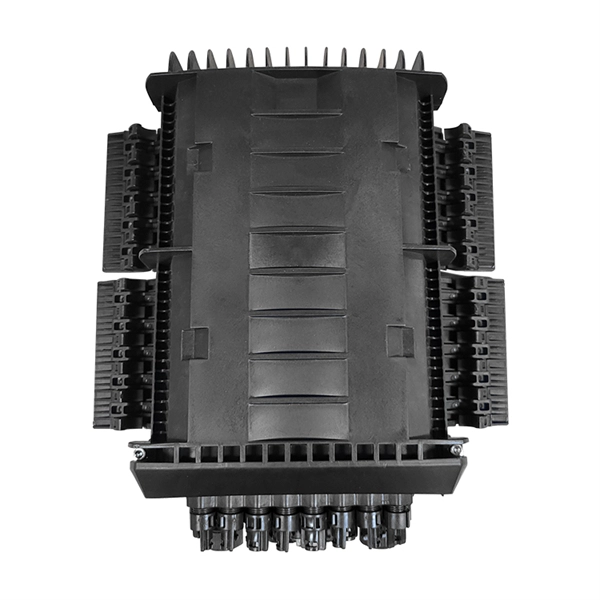
Principles of using beam splitters
Explore the precision, applications, and design principles of beam splitters, essential for advancements in scientific research and technology. Beam splitters are integral optical components that divide a beam of light into two or more separate beams.