
Pulling Attachmentprocedures For Single Fiber Cables
Search optical fiber, connectivity, cable management and network infrastructure references.
- Pulling
- Attachmentprocedures
- Single
Articles and technical references
10 on this page-
Methods for pulling fiber optic cables on utility poles
This helps keep fiber optic cables safe from harm and signal problems when you put them in. Aerial installation is generally much less costly than underground construction also. Loads that exceed the ratings may increase attenuation in the fibres up to the point of causing...
-
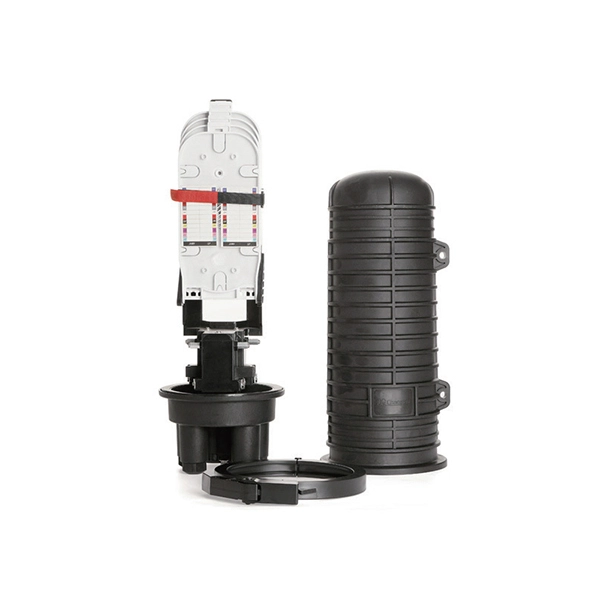
How are fiber optic cables classified for home delivery
“Fiber to the home” describes the use of fiber optic cable to deliver broadband internet from a central location directly to private residences. Connector types play a crucial role in selecting the right cable for specific applications, as different connectors are designed...
[PDF Version]
-
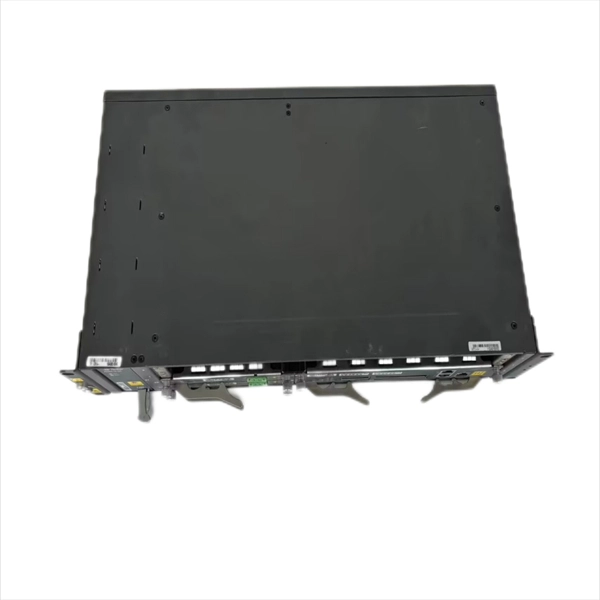
Parts for optical fiber cable pulling machines
A complete fiber optic cable pulling jobsite setup requires a Fiber Optic Cable Puller (with foot control and hoses), a capstan, a puller mount, and a hydraulic power source. These components are purchased separately; the options for pullers, capstans, and mounts are listed...
[PDF Version]
-
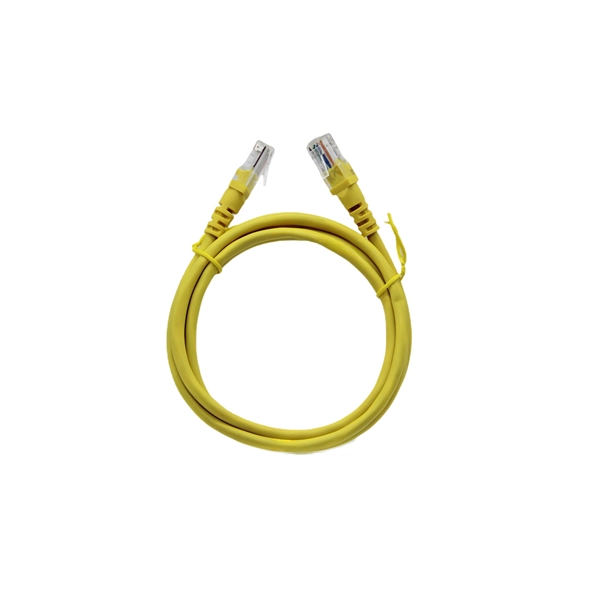
Which company supplies gyxtw fiber optic cables
GL FIBER supply GYXTW cable from 2 fiber cores to 24 fiber cores. This type of fiber optic cable has been praised due to its exceptional performance in Long Distance Symmetric role. Water blocking material is added between the steel tape and the loose tube to ensure the...
-
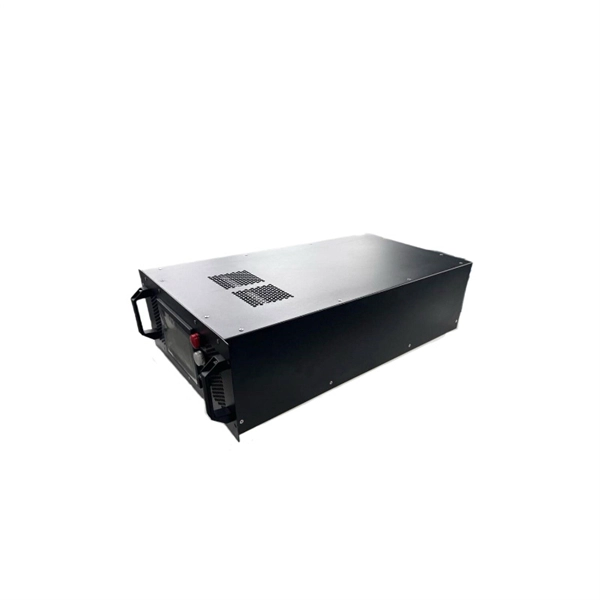
Total length of fiber optic cables laid in Malaysia
The Sistem Kabel Rakyat 1 Malaysia (SKR1M) is a 3700km optical fiber submarine cable system connecting Cherating, Kota Kinabalu, Miri, Bintulu, Kuching and Mersing, a domestic submarine cable system connecting Peninsular Malaysia, Sabah and Sarawak. The Submarine Cable Map is...
[PDF Version]
-
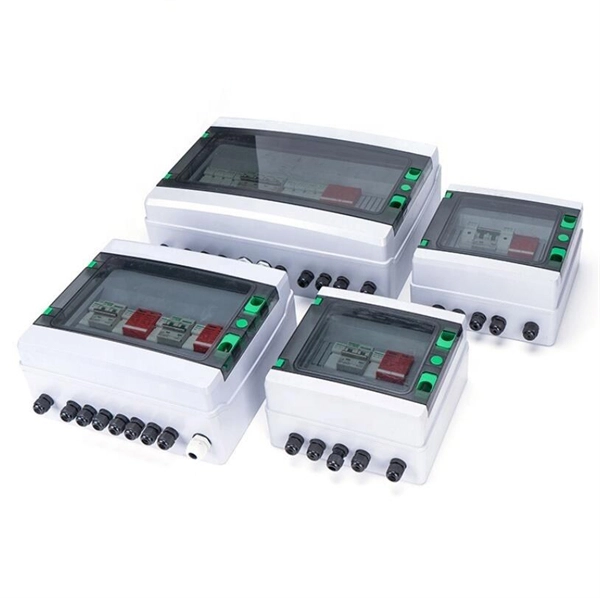
What is meant by laying fiber optic cables in a vertical shaft
A fiber optic riser cable—designated as OFNR, shorthand for Optical Fiber, Nonconductive, Riser—is a type of indoor fiber optic cable specifically designed for vertical installations. Horizontal and vertical cabling describe how fiber pathways are distributed within...
[PDF Version]
-
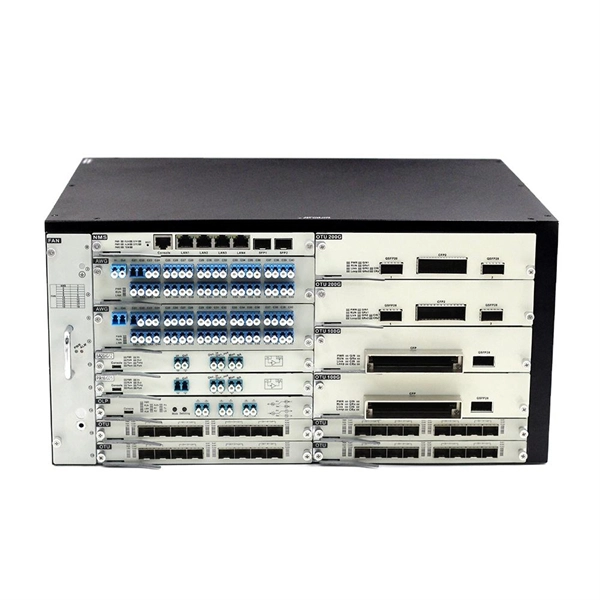
Safe distance for fiber optic cables installed on the same pole
Urban Areas: 25–40m spacing (concrete poles, 10–12m height)., steel lattice structures). Factors: Cable weight (kg/km) Ice loading (up to 50mm thickness)Cables on poles sharing electrical and telecom/CATV cables must be installed in the telecom space with proper clearance...
[PDF Version]
-
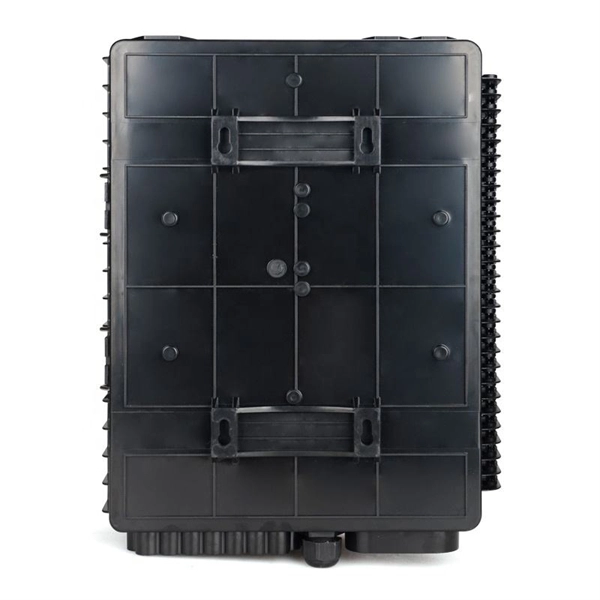
Largest manufacturer of copper optical fiber cables for power transmission
Prysmian Group commands approximately 9-15% of the global market as the world's largest cable manufacturer and a leading supplier of fiber optic cables. With a strong focus on innovation and sustainability, Prysmian Group provides solutions for energy transmission and...
[PDF Version]
-
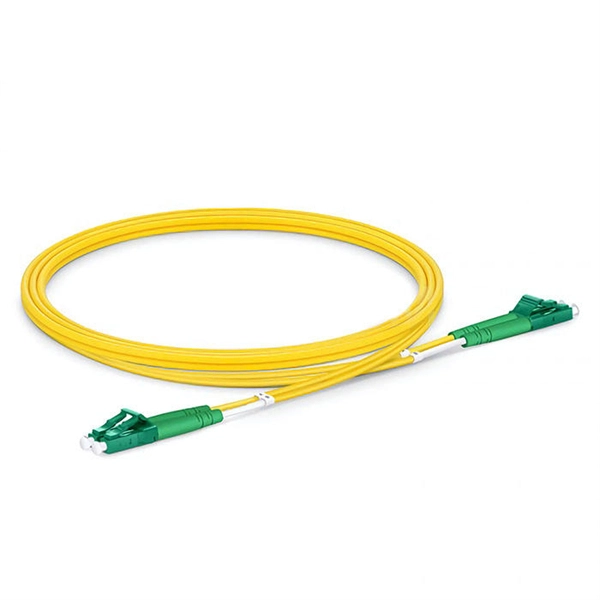
Fiber optic cables are classified into interconnect fiber optic cables
Round- also known as interconnect, is a style of jacketing for cable. Round fiber optic cables house two fiber lines within one exterior cable, so are functionally duplex cables but from the outside look like a single cable. The optical fiber elements are typically...
[PDF Version]
-
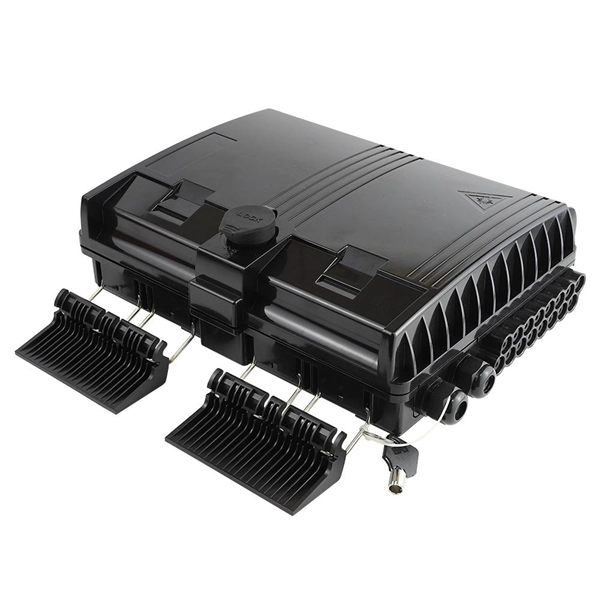
How to fuse ODF fiber optic cables
Learn how to splice fiber optic cable using fusion splicing with this complete step-by-step guide. Includes tools, best practices, loss standards (ITU-T G. 652), cost analysis, and FAQs for network engineers and installers. Regardless of the type of fiber network you're...
[PDF Version]