
Reasons Why You Need Cable Trays For Cabling Installations
Search optical fiber, connectivity, cable management and network infrastructure references.
- Reasons
- Need
- Cable
Articles and technical references
9 on this page-
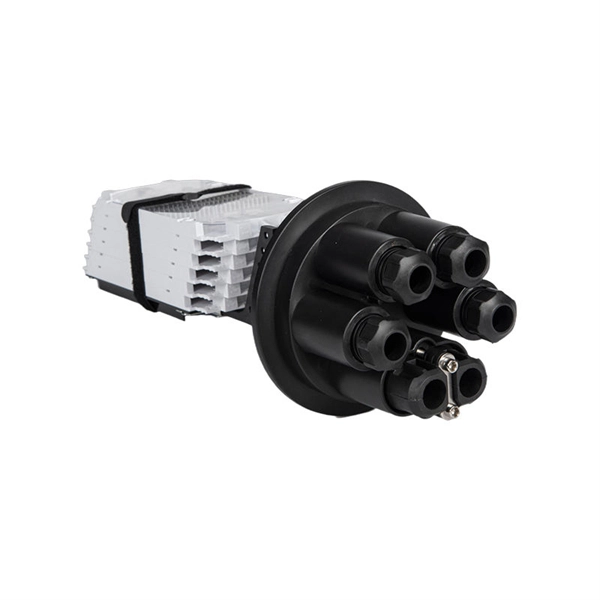
Does fiber optic cable need a coupler Why
Fiber optic adapters, also known as couplers, play a crucial role in fiber optic networks by providing a connection point between two fiber optic connectors. Pick the right coupler for your needs. Note that the term fiber coupler is used with two different meanings: It can be...
-
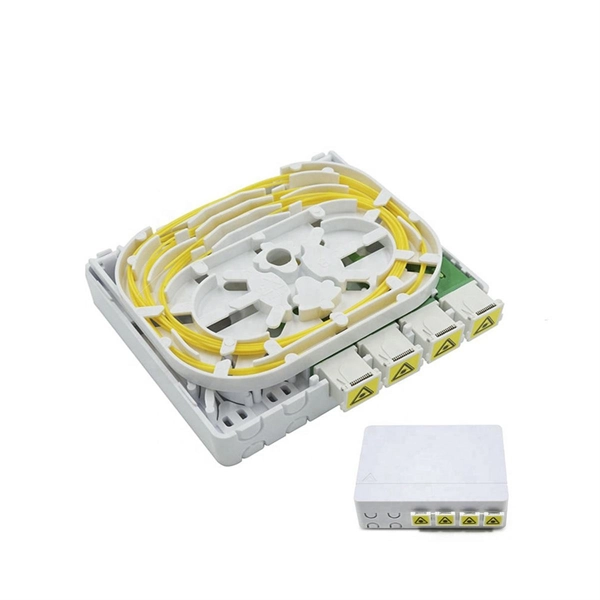
Does fiber optic cable need a terminal box Why
Fiber Termination Box, also known as FTB, typically consists of two main parts: the outer shell body and the adapter tray that protects the fiber connector points. It is a crucial component in fiber optic networks, primarily used for terminating, connecting, and managing...
[PDF Version]
-
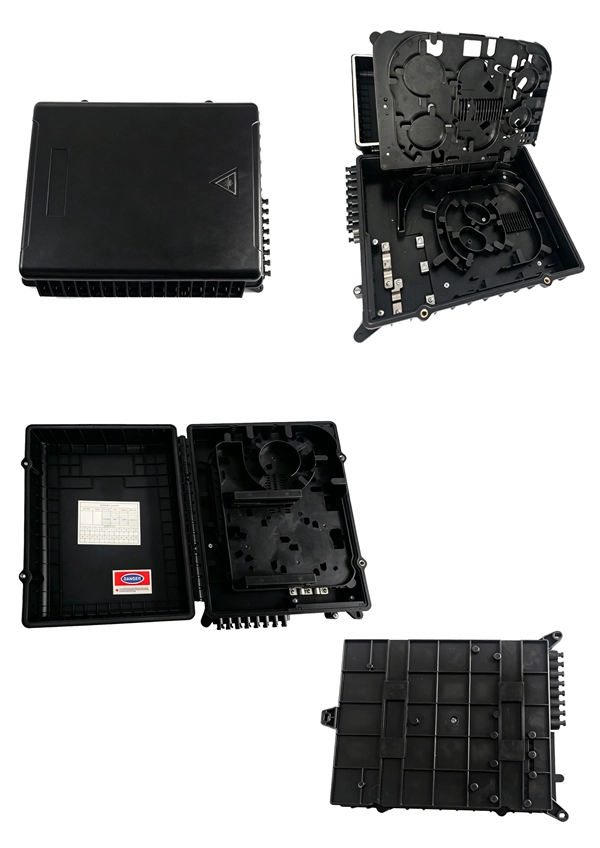
Reasons for Large Stock of Cable Trays
Cable trays are widely used in construction for organized cable management, providing protection, accessibility, flexibility, and cost-effective safety solutions. Cable Trays Market, By Material (Steel, Aluminum, Fiberglass, Copper, andOthers), By Type (Ladder Type...
[PDF Version]
-
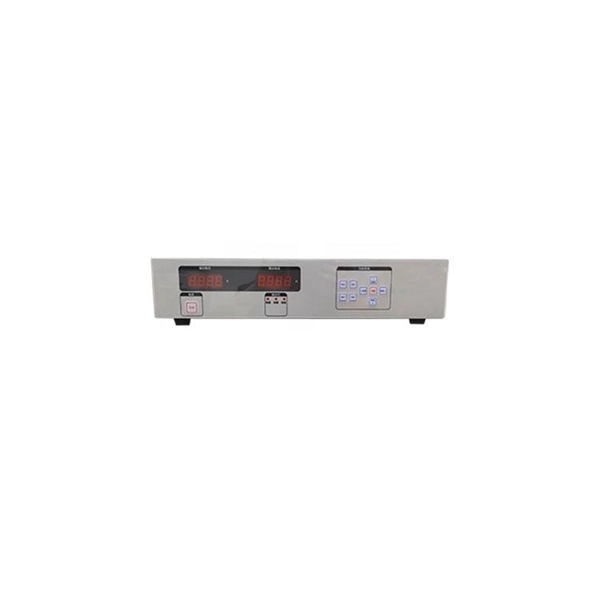
Can wire mesh cable trays be laid on the ground Why
Do wire mesh cable trays need to be grounded? Yes. Wire mesh cable trays are widely used in commercial offices, industrial facilities, data centers, and smart building infrastructure because they provide unmatched flexibility, excellent airflow, and fast, adaptable...
[PDF Version]
-
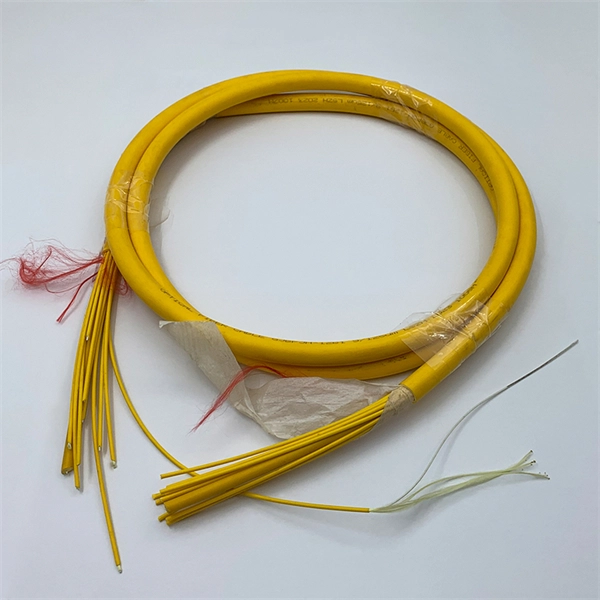
Why are cable trays used for cables in real estate development
Cable trays provide a structured pathway for electrical cables, reducing risks and ensuring long-term performance. Unlike enclosed conduit systems, cable trays offer an open design, enabling better accessibility, ventilation, and adaptability. In today's fast-paced world of...
[PDF Version]
-
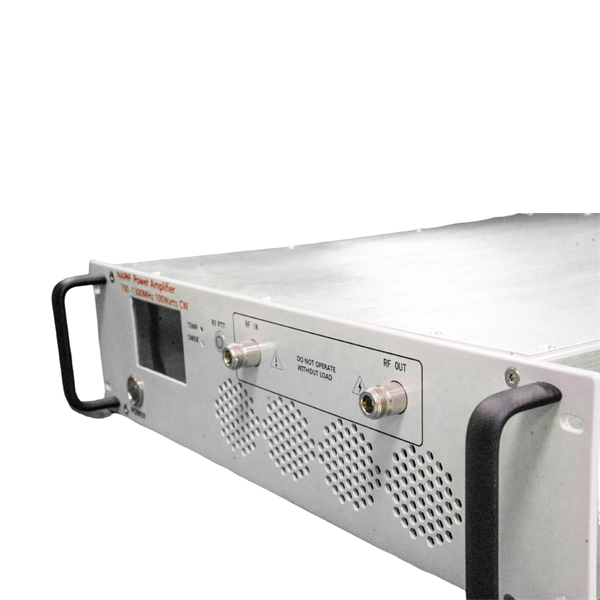
Do network cable trays need a fireproof layer
When cable trays pass through walls or floors, seal openings using fire-rated penetration sealing materials. Do not modify or damage the tray coating or structure during use. Process flow: reserved openings → busway installation → distribution box positioning and installation...
-
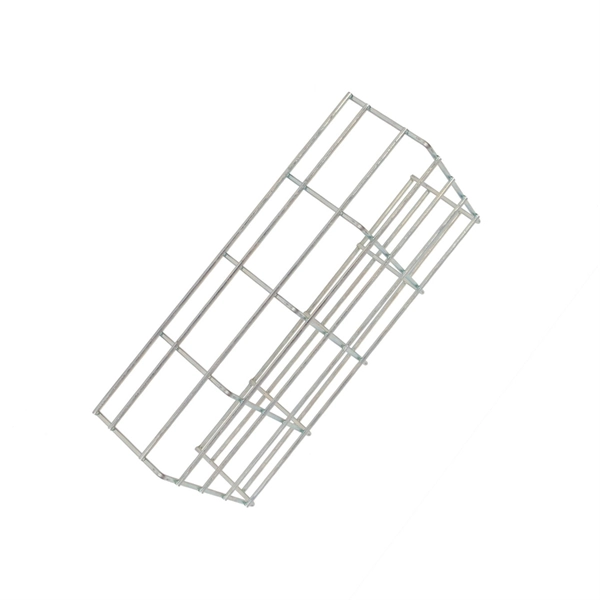
Reasons for needing to purchase cable trays
Cable trays provide a structured pathway for electrical cables, reducing risks and ensuring long-term performance. Unlike enclosed conduit systems, cable trays offer an open design, enabling better accessibility, ventilation, and adaptability. The cable trays do not build the...
[PDF Version]
-
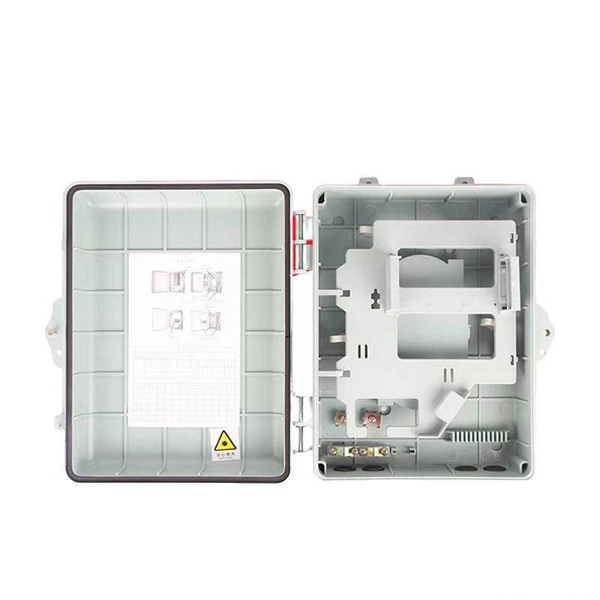
Do cable trays and wires need to be run through conduits
TC-ER-rated cables can be installed in exposed runs outside the cable tray, up to 6 feet between the cable tray and connected equipment, and without conduit—provided that the cable is secured and protected from mechanical damage, per code. Conduit, on the other hand, is a...
[PDF Version]
-
Do fire-fighting cable trays need to be fireproof
Technical Guidelines for Cable Tray Installation and Only use fireproof trays for flame containment or isolation, not for unrelated functions. Do not modif.
[PDF Version]