Skip to content
AK OPTICALSystems Send a project enquiry
Reference library

Relay protection single-core and multi-core cables

Published
  • Relay
  • Protection
  • Single-Core
Source context

AI source overview

In relay protection systems, single-core cables are preferred for high-current power circuits, while multi-core cables are ideal for control, signaling, and instrumentation circuits.

Single-

Core Cables in Relay ProtectionSingle-core cables consist of a single conductor, typically copper or aluminum, with insulation and sometimes an outer jacket for mechanical protection. Their key advantages in relay protection include: High Current Capacity: Each conductor can carry higher currents without mutual heating, making them suitable for power circuits feeding transformers, generators, or circuit breakers. Better Heat Dissipation: Physical separation allows each cable to radiate heat efficiently, improving safety and longevity.

Mechanical Strength: Solid or stranded single-core cables are robust, ideal for fixed installations in substations or switchgear rooms. Simplified Fault Detection: With only one conductor per cable, insulation faults or open circuits are easier to locate using standard testing tools. Applications: Single-core cables are commonly used for high-current connections to circuit breakers, busbars, and main power feeders in relay protection schemes.

Multi-

Core Cables in Relay ProtectionMulti-core cables bundle multiple insulated conductors within a single outer sheath. Their advantages include: Compact Wiring: Multiple circuits can be routed together, reducing space requirements and simplifying installation. Signal Integrity: Physical proximity and shielding options reduce electromagnetic interference, which is critical for sensitive relay control and instrumentation circuits.

Flexibility: Multi-core cables are easier to handle in confined spaces or where frequent movement is required. Color Coding and Identification: Standardized color codes in multi-core cables help in organizing relay control circuits and terminal connections. Applications: Multi-core cables are ideal for trip, alarm, indication, and auxiliary circuits in relay protection systems, where multiple low-current signals need to be transmitted reliably.

Practical Considerations

Current Rating: Use single-core cables for circuits carrying high currents; multi-core cables are suitable for low-current control and signaling. Installation Environment: Single-core cables are better for fixed, high-power installations; multi-core cables are preferred in compact or complex wiring layouts. Electromagnetic Interference: Multi-core cables with shielding reduce interference in sensitive relay circuits.

Maintenance and Testing: Single-core cables simplify fault detection, while multi-core cables reduce the number of individual runs but may require careful labeling and documentation.

Conclusion

In relay protection systems, single-core cables are optimal for high-current power circuits due to their superior heat dissipation, current capacity, and mechanical strength, whereas multi-core cables are preferred for control, signaling, and instrumentation circuits because of their compactness, flexibility, and interference resistance. Selecting the appropriate cable type ensures reliable operation, safety, and efficient installation in protective relay schemes.

Research context

Reference summary

Comparison of Multi-core vs.

Single-core Cable Applications

In the fields of electrical engineering and electronic devices, the choice between multi-core an.

From reference to enquiry

Questions for your project

Use these editorial prompts alongside the linked excerpts. They identify items to confirm for your project.

Technical notes

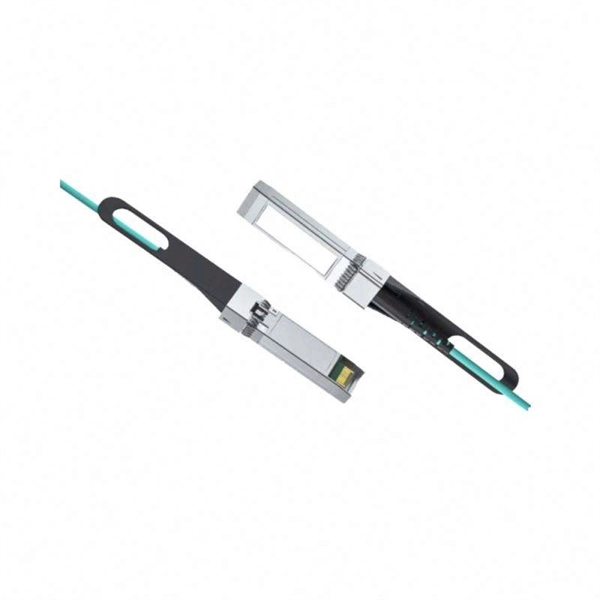
Illustrative equipment image

Comparison of Multi-core vs. Single-core Cable Applications

In the fields of electrical engineering and electronic devices, the choice between multi-core and single-core cables significantly impacts system performance, reliability, and cost-effectiveness.

Single Core vs Multi Core Cable: Key Differences Guide

Learn the difference between single core and multi core cable, including design, performance, and applications in electrical systems and power distribution.

Practical handbook for relay protection engineers | EEP

This article will comprehensively analyze the core differences between single-core and multi-core cables from the perspectives of definition, structure, performance, and application,

H07RN-F Cable

View Eland Cables'' flexible heavy-duty H07RN-F rubber cable Cu/EPR/PCP manufactured in accordance with BS EN 50525. Voltage rating 450/750V.

Difference Between Single Core and Multi-Core Cables

Single core cables are only protected by a single outer sheathing than multicore cables which have many layers of insulation sheathing; which makes

Single-Core Cable VS. Multi-Core Cable: Voltage, Safety & More

Explore the key differences between Single-Core Cable and Multi-Core Cable, comparing voltage, current, flexibility, and safety.

Single Core vs Multi Core Cable: Key Differences Guide

Compare single core and multi core cables by construction, current capacity, flexibility, and cost to choose the right type for your wiring project.

Single-Core vs. Multi-Core Cable: A Complete Guide for

For engineers, project managers, and procurement specialists, understanding the key differences is essential. This guide provides a detailed,

Single-Core vs Multi-Core Cable: Complete Selection

Single-core vs multi-core cables. Current capacity, flexibility, EMI considerations, and when to use each cable type.

Single Core Cable Vs. Multi Core Cable,How To

Cables can be divided into single-core cables and multi-core cables according to the number of conductors. This article will introduce the differences

Single-Core vs Multi-Core Cable: Complete Selection

Industry expert guide comparing single-core vs multi-core cables. Covers current capacity, flexibility, EMI, installation considerations, and application-specific

Difference between Single-core and Multicore Cable

Many people have difficulty difference between single-core and multicore cables and how best to apply them. Contact us!

Multicore Cable: Definition, Application and Benefits

Each core is insulated to prevent electrical interference and signal degradation. This design allows multicore cables to transmit multiple signals simultaneously, making them highly efficient and

Understanding Multicore and Single Core Cables: Differences and

Multicore vs single core cables explained - the key differences, where each is used and how to choose the right one for your wiring.

Difference Between Single Core and Multi-Core Cables

Single core cables are less prone to high-stress areas and temperature, as compared to multi-core cable which is more resistant to high

Core Cable: Single Core vs Multi-Core

A multi-core cable could be an excellent option if you''re searching for a cable that can transmit multiple signals simultaneously. They are typically used

7 Things about Single Core Cable or Multicore

Multicore and Single core cable might look the same, but their functionality varies to the fabrication of the cables.

Difference between single core and multicore cable?

Conclusion In conclusion, the choice between single-core and multicore cables depends on the specific requirements of your electrical system. Single-core wires are ideal for simpler applications where

Related Video Reference

This video was associated with the source search result. Verify technical details against current product documentation and project requirements.

Share your network requirements

Share the fiber interfaces, termination capacity, cable route and evidence required for handover.

Send a project brief