
How can one identify a broken fiber optic cable?
To identify a broken fiber optic cable, start by performing a visual inspection for any physical signs of damage, such as bends, cracks, or breaks...
Search optical fiber, connectivity, cable management and network infrastructure references.
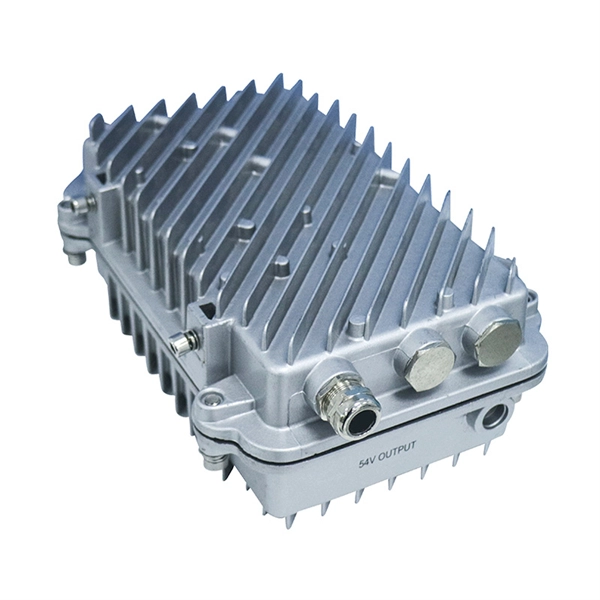
Excavate the cable at the break point and use a fiber optic cutter to remove the damaged section. Use a high-precision fiber cleaver to prepare the fiber ends for. This complete guide covers everything from identifying causes of failure to advanced repair techniques, drawing...
[PDF Version]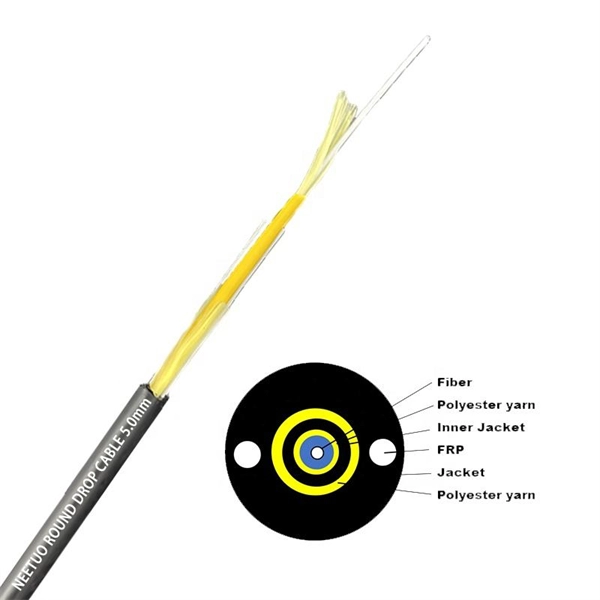
This guide provides a detailed roadmap for locating and fixing fiber optic cable breaks, covering detection techniques, repair methods, and best practices. The most common problems usually fall into four categories: Physical Layer: Transmission Performance: Equipment and...
[PDF Version]To identify a broken fiber optic cable, start by performing a visual inspection for any physical signs of damage, such as bends, cracks, or breaks...
There are several methods to test fiber optic cables without a tester. One method is using a visual fault locator (VFL), as mentioned earlier, to v...
Intermittent fiber optic connections can be caused by a variety of factors, including: Poorly terminated connectors or splices that result in unsta...
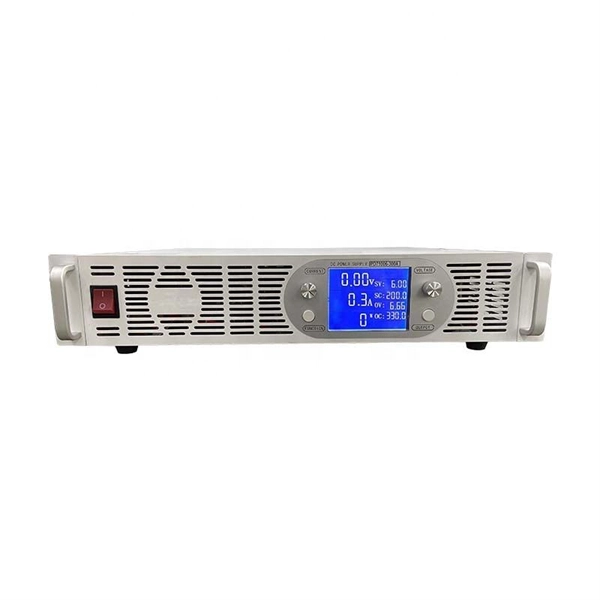
The normal recommendation for fiber optic cable is the minimum bend radius under tension during pulling is 20 times the diameter of the cable (d). While installers are aware of the fundamental importance of minimum bend radii, they often lack the practical know-how to. A...
[PDF Version]
Measure temperature with fiber optic sensors for high-resolution distributed and multipoint monitoring in batteries, processes, and harsh environments.
Access AFL's comprehensive product catalogs in PDF format—covering fiber optic cables, connectivity, fusion splicing, inspection tools, uprstream/downstream energy, enterprise, tactical, and more—organized by category for quick download and easy reference. According to...
[PDF Version]
Typical rates range from $90–$150 per hour for qualified fiber technicians. Some projects bill per span or per foot in addition to hourly labor. Underground systems cost more initially but often save money over their lifetime. The cost to fix a fiber line often hinges on the...
[PDF Version]
According to 2022 data from the United States International Trade Commission, U. manufacturing capacity met only about 53% of the country's demand for optical fiber, the core component of fiber optic cable. currently relies heavily on imports to meet the. Fiber optic vendors...
[PDF Version]
This article explains how to test fiber cable quality using standardized engineering methods for FTTH, ODN, and data center deployments. HOLIGHT Fiber Optic applies standardized testing procedures across its passive fiber-optic components to support reliable telecom...
[PDF Version]
This comprehensive guide will explore every facet of indoor fiber cable, from its fundamental characteristics to the advanced solutions offered by industry leaders like EPCOM. Indoor fiber cable is the backbone of modern communication networks within buildings, providing the...
[PDF Version]
Most residential jobs finish within a few hours. Larger business projects might span several weeks. We want to clear up the confusion around these schedules. Every building has unique needs. Some homes have existing conduits ready for use, while other properties require new...
[PDF Version]
Central loose tube cable contains one tube with 12 fiber ribbons, which is filled with water blocking gel. Either aramid yarn or fiber glass is wound around the tube to provide physical protection and tensile strength. Ribbon cables offer higher fiber counts and greater fiber...
[PDF Version]Share the fiber interfaces, termination capacity, cable route and evidence required for handover.