
Technical notes
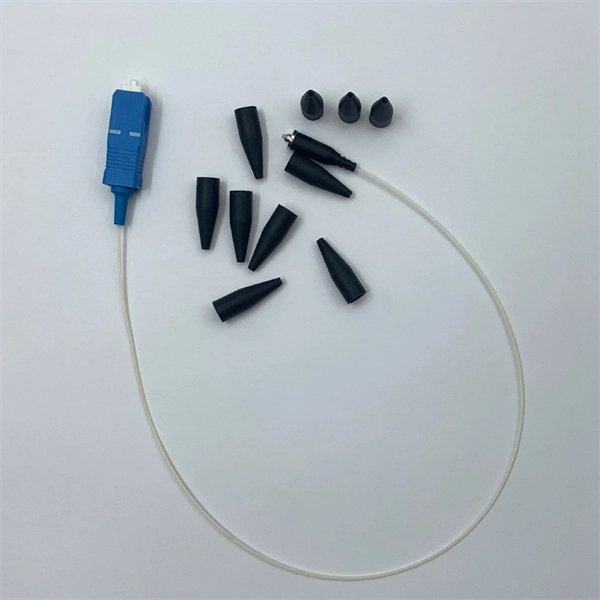
Single-Mode Fiber Cable Guide: Types, Specs & Selection
This comprehensive guide explores Single-Mode Fiber Optic Cable, covering technical specifications, deployment scenarios, and best practices to help you optimize your fiber infrastructure
Outside Plant Fiber Optic Cable
These cables are designed to meet both the rigorous environment of the outdoors but can also be routed indoors, where flame rating requirements also apply. This type of cable eliminates the need
A Complete Guide to Selecting the Right Outdoor Fiber
Unlike indoor setups, you can''t afford to use generic or under-specified cable outdoors. The right choice reduces signal loss, prevents
Fiber Optic Cable Types: Single-Mode, Multimode, and Beyond – A
Discover fiber optic cable types, including single-mode (OS1, OS2) and multimode (OM1, OM2, OM3, OM4, OM5), indoor/outdoor variants, and how to select the best option for data centers,
Outdoor Fiber Optic Cable | Outside Plant Fiber (OSP) Cable
Use our answers below to help you determine which type of outdoor cable may suit your needs. What fiber count should I choose for my outdoor fiber application? The fiber count you deploy on day one
OS1, OS2 vs OM1-OM5 Fiber Cables: Differences, Speeds, and
Explore the differences between OS1, OS2 (single-mode) and OM1, OM2, OM3, OM4, OM5 (multimode) fibers. Learn their speeds, distances, and ideal uses for data centers and telecom
Outdoor Fiber Optic Cable: Installation & Selection Guide
This document serves as a guide for outdoor fiber optic cable selection and installation for professionals in the telecommunications industry. It begins by highlighting the need for outdoor
Single-mode optical fiber
In fiber-optic communication, a single-mode optical fiber, also known as fundamental- or mono-mode, is an optical fiber designed to carry only a single
Fiber Optic Cable Types Explained
Our comprehensive guide to types of fiber optic cables. Learn all about the differences between single mode and multimode cables, as well as the various fiber wavelengths and standard core sizes used
Outdoor Fiber Optic Cable | Outside Plant Fiber (OSP) Cable
Fiber optic cables for outdoor applications are engineered to withstand the more demanding conditions seen outside, from environmental extremes to mechanical forces. These are the outdoor fiber optic
Fiber Optic Cable Types: Comprehensive Guide
Two Types of Fiber Optic Cable Fiber optic cables fall into two main categories: single-mode fiber (SMF) and multimode fiber (MMF), each designed for specific transmission requirements.
Fiber Optic Cable Types | Omnitron Systems Guide
Explore fiber optic cable types, features, and applications. Omnitron Systems explains single-mode, multi-mode, and specialty fiber solutions.
Understanding Single Mode Fiber Optic Cable: A
Explore our comprehensive guide on single mode fiber optic cable, including insights on duplex fiber patch cables for efficient data transport over
Single-Mode Optical Fiber (SMF)
Draka Single-Mode Fiber (SMF) provides optimum performance in both the 1310 nm and 1550 nm wavelength operation ranges (including the 1565 – 1625 nm L-band), with a low dispersion in the
Fiber Optic Cable Guide: Types, Applications, and Expert Selection
Discover the differences between single-mode and multimode fiber optic cables, connector types, and learn how to choose the right fiber optic cable for your network needs.
Outdoor Fiber Optic Cable Types: Complete Guide
This article summarizes the major outdoor fiber optic cable types and their distinguishing features. You can Identify them with images.
Choosing between Single Mode vs Multi-mode Optical Fiber
Thorough knowledge about fiber optic technology, single mode optical fiber and multimode optical fiber, their characteristics, and scope of utility is important, this can certainly lead to an effective selection
Fiber optic cable types and selection guide
Fiber optic cables are broadly divided into two types: "single mode" and "multimode" based on their characteristics. Each mode has a different way
Related Video Reference
This video was associated with the source search result. Verify technical details against current product documentation and project requirements.