
Self Rotating Cable Organizer
Search optical fiber, connectivity, cable management and network infrastructure references.
- Self
- Rotating
- Cable
Articles and technical references
11 on this page-
Cable organizer spaced several holes
Multiple hole cable glands, often referred to as multi-hole cable glands, are specialized components designed to accommodate and secure multiple cables through a single gland. Upgrade your workspace or home entertainment setup with our top-rated cable management products...
-
Cable organizer rotation
These award-winning shelves slide out and rotate 90° in either direction to allow homeowners and professional installers easy access to components and wiring cables. Uniquely Designed Cable Clip: The upgraded cord organizer features a unique design that combines practicality...
[PDF Version]
-
Fiber optic cable routing channel bend
The normal recommendation for fiber optic cable is the minimum bend radius under tension during pulling is 20 times the diameter of the cable (d). While installers are aware of the fundamental importance of minimum bend radii, they often lack the practical know-how to. A...
[PDF Version]
-
Trough-type cable tray mesh
Unlike ladder or wire mesh cable trays, trough type cable trays use a fully enclosed structure formed from a single steel sheet, creating a protective channel that shields cables from external interference. Far superior to traditional conduit in many applications, cable tray...
[PDF Version]
-
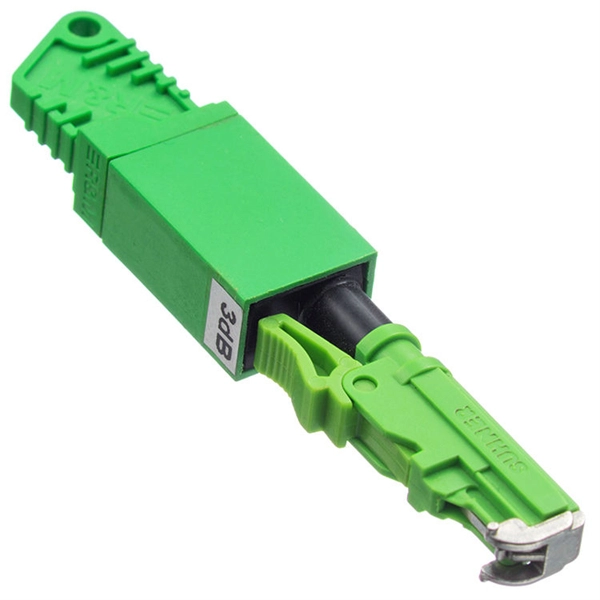
What type of cable tray is a rigid cable tray
Cable trays are mechanical support systems that provide a rigid structural system for electrical cables, raceways, and insulated conductors used for electric power distribution, control, signal instrumentation, and communication. There are several types of cable trays...
-
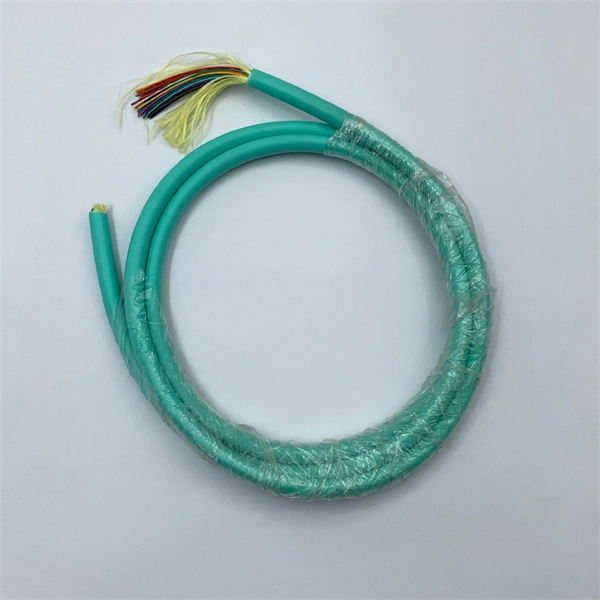
Are cable trays and ladders universally compatible
In most cases cable ladders are the preferred choice, however; cable trays are better suited when aesthetics and radio/electromagnetic interference are important considerations. Cable trays are also useful for protecting sensitive cabling and tubing. Two common solutions are...
[PDF Version]
-
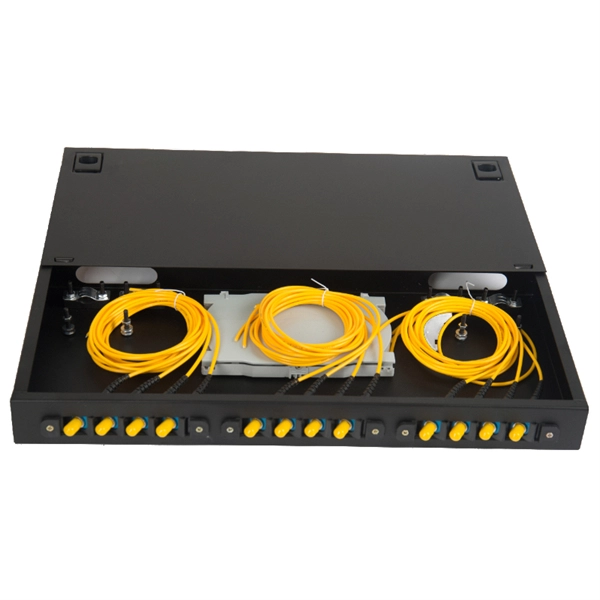
There is no space for cable trays in the stairwell
Answer: The 1996 NEC in sections 318-6 (i) and (j) indicates that there shall be sufficient space maintained around cable trays to allow adequate access for installing and maintaining the cables and that cable trays shall be exposed and accessible. The primary rulebook used...
[PDF Version]
-
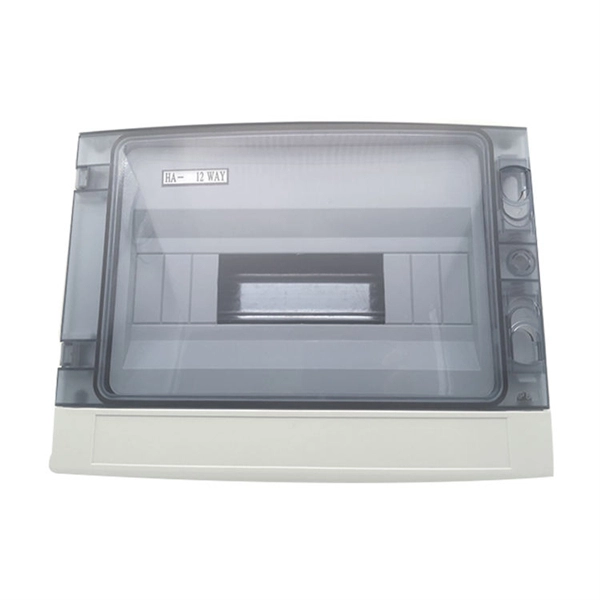
AOC Active Optical Cable 800G Available Now
Industry-leading 800G Active Optical Cables for hyperscale and AI computing clusters. Available in OSFP and QSFP-DD form factors, these cables deliver massive bandwidth density with the simplicity of a plug-and-play assembly. BlueOptics offers premium 800G Active Optical...
-
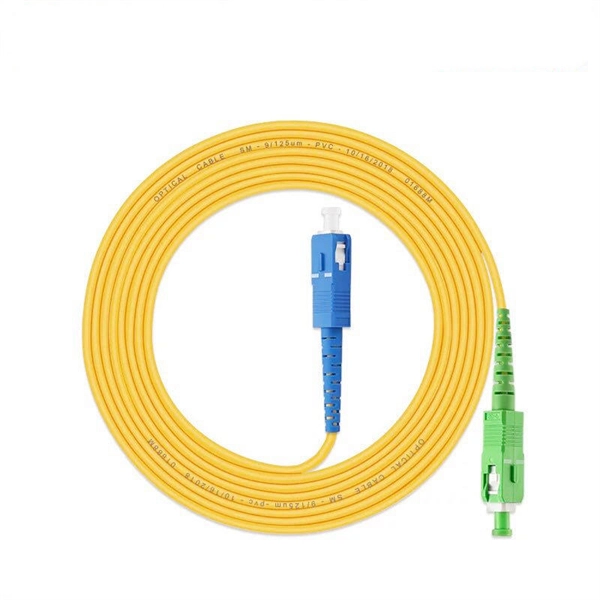
National Standards for Optical Cable Testing
Follow the latest IEC, TIA, and FOA fiber testing standards in 2025 to ensure your network stays reliable and meets legal and insurance requirements. They define a minimum baseline of quality and workmanshi for installing electrical products and systems. NEIS® are intended to...
[PDF Version]
-
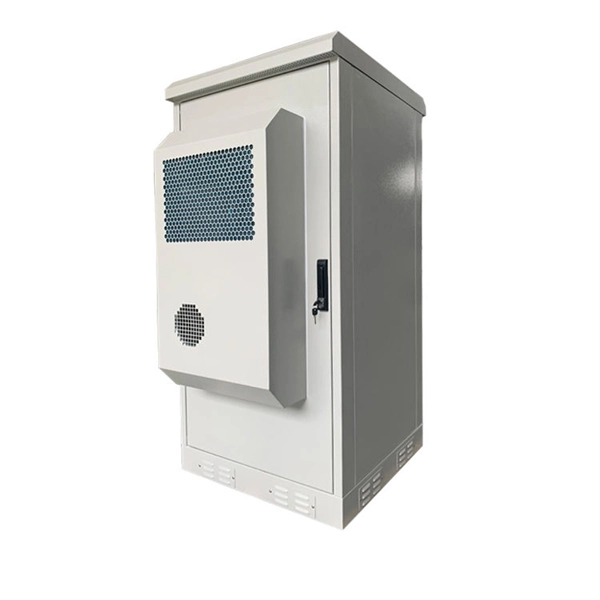
Fiber Optic Temperature Analyzer for Cable Channels
Measure temperature with fiber optic sensors for high-resolution distributed and multipoint monitoring in batteries, processes, and harsh environments.
-
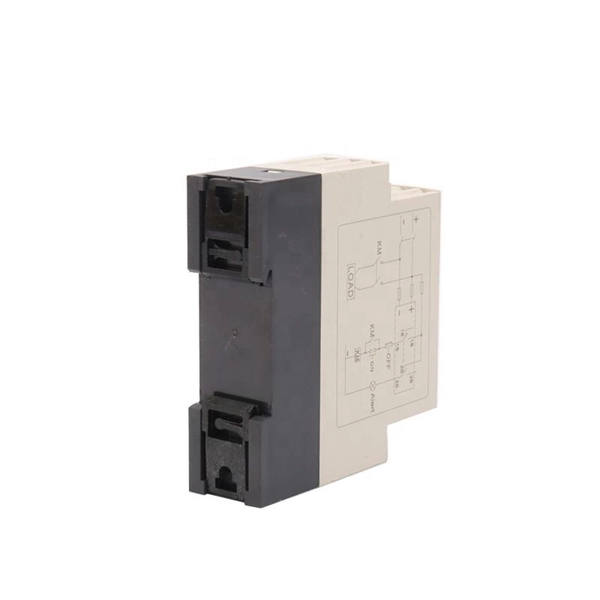
Cable tray small end becomes large
Cable sag results from incorrect spacing of cable tray supports or from employing the incorrect tray type that is, light-duty perforated trays in high-load applications. Complicating the problem are overloaded trays and large unsupported spans. Sagging causes tension at...
[PDF Version]