
Installing SFP and SFP+ Transceiver Modules
SFP transceiver modules can have three types of latching devices to secure an SFP transceiver module in a port socket: •Figure 4 shows an SFP trans...
Search optical fiber, connectivity, cable management and network infrastructure references.
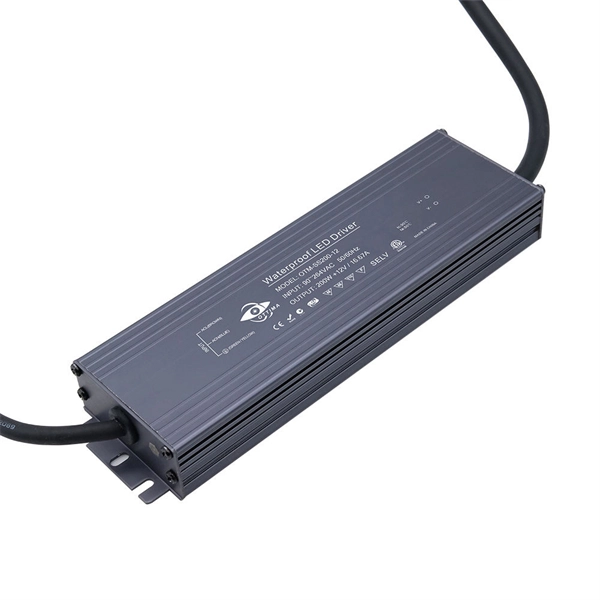
Also known as Fast Ethernet SFPs or 100BASE modules, these transceivers are far from obsolete. They offer a perfect blend of reliability, distance extension, and electrical isolation for environments where raw speed isn't the primary concern. In an era dominated by...
[PDF Version]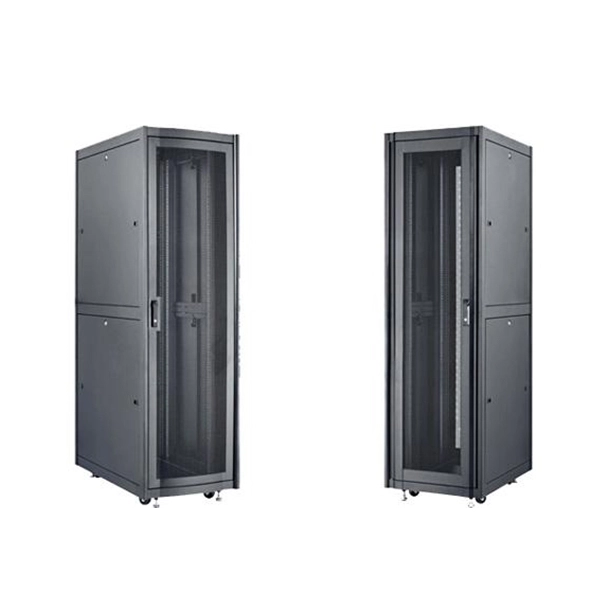
The SFP transceivers are high performance, cost effective modules supporting data rate of 1. 25Gbps and 2km transmission distance with MMF. The transceiver consists of three sections: a FP laser transmitter, a PIN photodiode integrated with a trans-impedance preamplifier...
[PDF Version]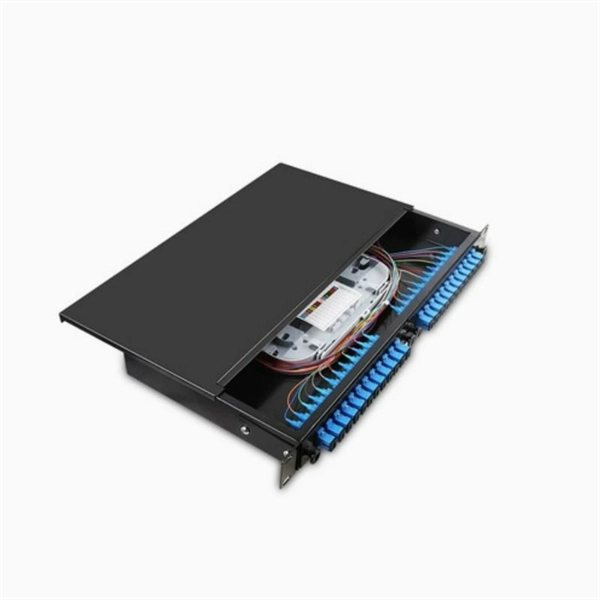
Corrosive environments, characterized by the presence of acids, salts, or extreme humidity, can lead to rapid degradation of cable trays, jeopardizing the performance and safety of electrical installations. Cable trays are widely used in industries to manage and protect...
[PDF Version]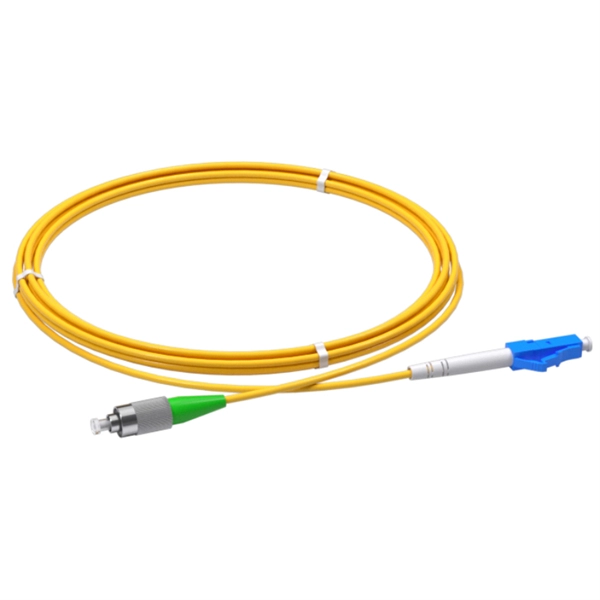
This comprehensive guide breaks down the internal structure, core components (TOSA, ROSA, lasers), and operational mechanisms of SFP optical modules, enriched with technical insights and real-world applications. SFP (Small Form-factor Pluggable) is a compact, hot-pluggable...
[PDF Version]SFP transceiver modules can have three types of latching devices to secure an SFP transceiver module in a port socket: •Figure 4 shows an SFP trans...
If you are removing an SFP or SFP+ transceiver module, follow these steps: Step 1 Attach an ESD-preventive wrist strap to your wrist and to the ESD...
For information on obtaining documentation, submitting a service request, and gathering additional information, see the monthly What's New in Cisco...
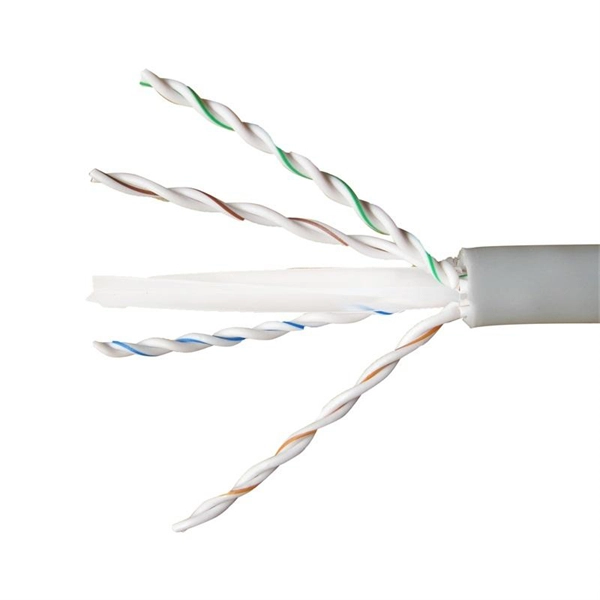
With a data rate of 200Gbps, this module ensures fast and reliable connectivity for short-range applications. It is supported by local product imagery. Confirm final data rate, port count, reach, cage construction, plating, thermal path, and compliance. The Huawei 34160107...
[PDF Version]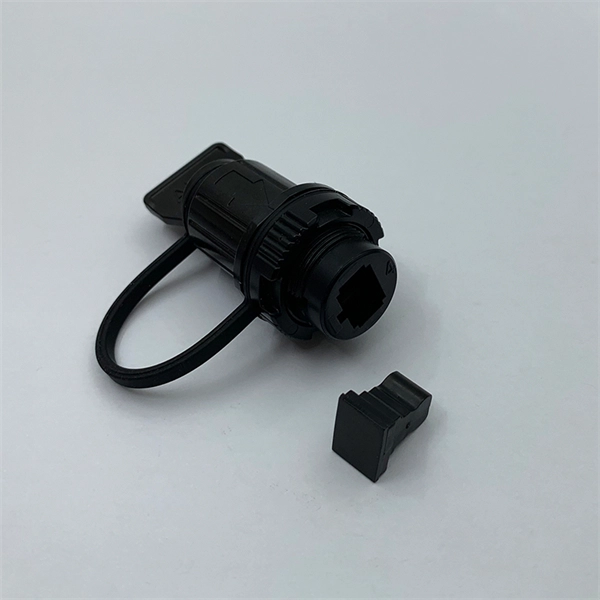
OEM SFP modules are small form-factor pluggable (SFP) optical transceivers that are manufactured by original optical component suppliers but sold under the branding and part numbers of major networking equipment vendors such as Cisco, Arista, or Juniper. In essence, they are...
[PDF Version]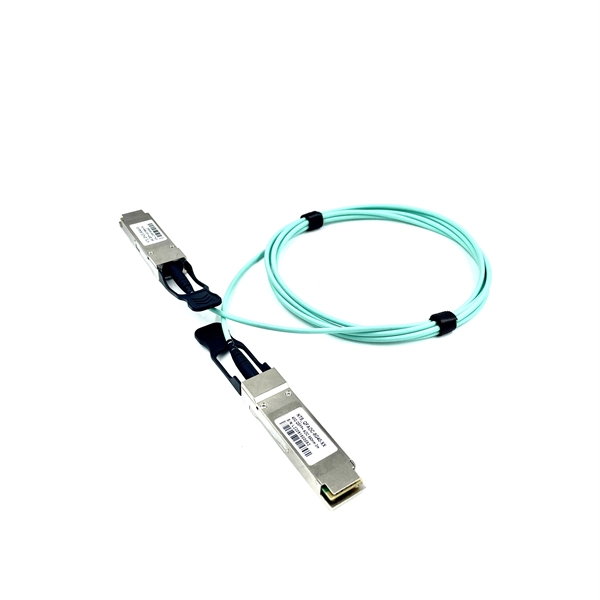
Contact bounce occurs when vibration causes relay contacts to make and break intermittently, leading to unreliable switching and potential system failures. This phenomenon directly impacts automation reliability and can result in costly production downtime. Persistent...
[PDF Version]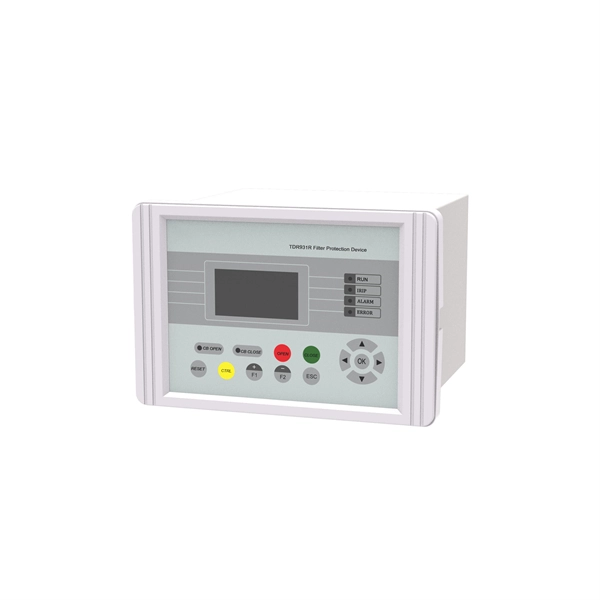
A 10G SFP+ AOC (Active Optical Cable) is a pre-terminated, plug-and-play fiber cable with SFP+ transceivers permanently attached at both ends. Each end clicks into an SFP+ port on your devices (like a switch or NIC). This AOC is compliant with SFF-8431 MSA standards. It...
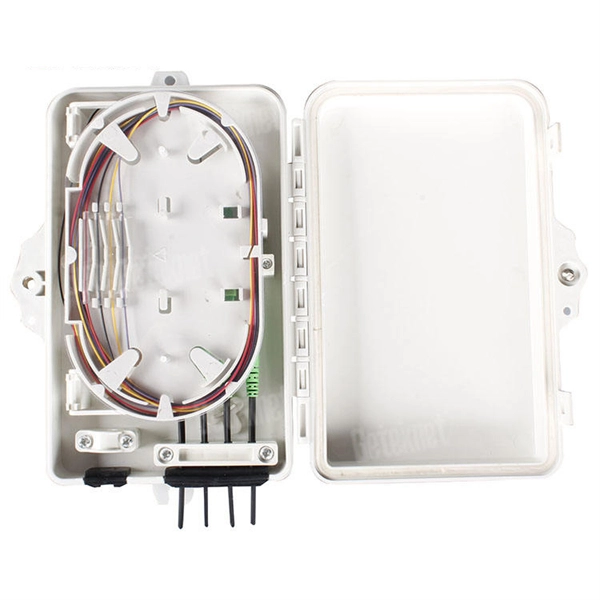
A Gigabit SFP switch is a network switch that primarily operates at 1 Gigabit per second and is equipped with Small Form-Factor Pluggable (SFP) ports, which are hot-swappable interface slots for easy maintenance and upgrades. The hot-swappable input/output device plugs into a...
[PDF Version]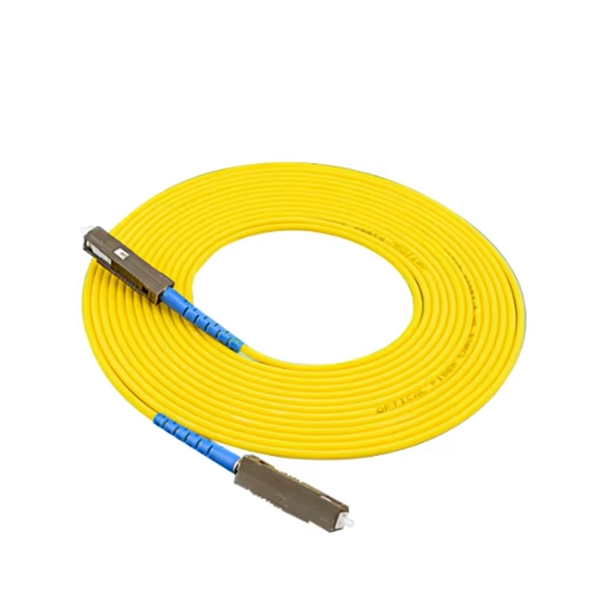
Fiber Optic Troubleshooting Guide: Problems, Tools & SolutionsThis guide offers practical steps to troubleshoot fiber optic cable issues, covering common p.
[PDF Version]To identify a broken fiber optic cable, start by performing a visual inspection for any physical signs of damage, such as bends, cracks, or breaks...
There are several methods to test fiber optic cables without a tester. One method is using a visual fault locator (VFL), as mentioned earlier, to v...
Intermittent fiber optic connections can be caused by a variety of factors, including: Poorly terminated connectors or splices that result in unsta...
Share the fiber interfaces, termination capacity, cable route and evidence required for handover.