
Single Vs Double Busbar Switchgear Selection Guide
Search optical fiber, connectivity, cable management and network infrastructure references.
- Single
- Double
- Busbar
Articles and technical references
11 on this page-
Single busbar and double busbar main wiring
Single Bus vs Double Busbar Switchgear: Key DifferencesCompare single-bus and double-busbar switchgear: cost, flexibility, reliability, maintenance, and wh.
[PDF Version]
-

How high is the busbar of a low-voltage switchgear
Busbar rating: 1600–6300 A depending on load density; consider temperature rise and ambient. Short-circuit withstand: kA rating must exceed available fault current with margin; verify bracing and tested assemblies. Behind every reliable low voltage switchgear lineup is a...
[PDF Version]
-
Low-voltage switchgear busbar short-circuit withstand
IEC 61439 is the core standard for low-voltage switchgear and controlgear assemblies up to 1000 V AC or 1500 V DC. Its short-circuit withstand strength requirements ensure that an assembly can endure the prospective fault current for the duration of the protective device...
[PDF Version]
-
Double busbar connection of the switching station
It includes two busbars that run parallel to each other. A bus coupler connects these two buses. Here, an operator can switch over a feeder from one bus to another without interrupting service. This feature ensures high reliability and flexible operation. Designing a...
[PDF Version]
-
Advantages and disadvantages of low-voltage single busbar
• Aluminium busbars are lighter and more cost-efficient. Low voltage busbars are integral components in modern electrical distribution systems, acting as conduits for electrical power. Their significance arises from their ability to improve efficiency, enhance safety, and...
-
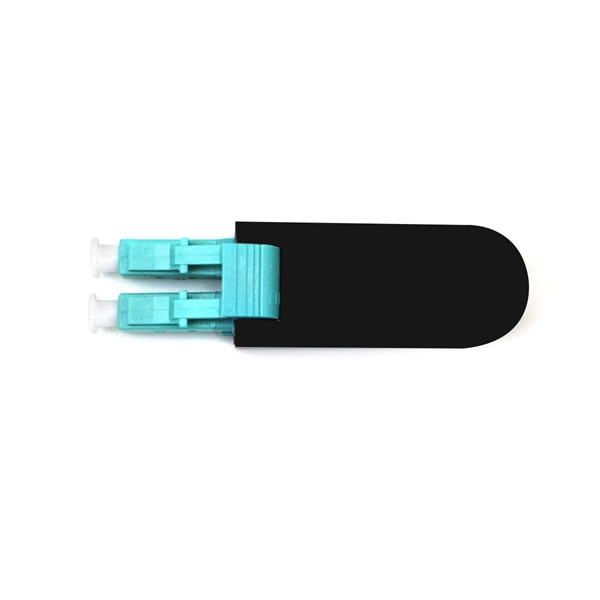
Function of Low-voltage switchgear busbar frame
A busbar is a metal bar, usually made of copper or aluminum, that carries electricity inside switchgear. It connects the incoming power to circuit breakers and outgoing circuits, helping power flow smoothly and evenly. Good busbar design helps prevent overheating and...
-
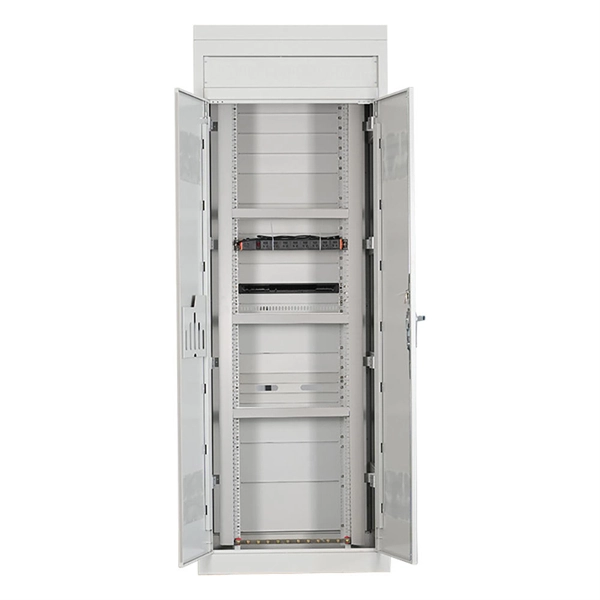
Example of Single Busbar Connection
A single-busbar switchgear has one main busbar that connects all incoming and outgoing circuits. Every feeder, transformer, and power source links to the same bus. Here, we provide an overview of common substation busbar configurations—Single Bus, Main and Transfer, Double...
[PDF Version]
-
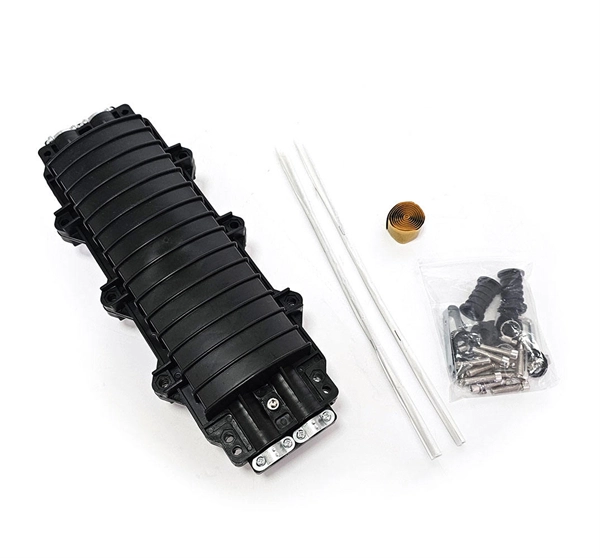
High-voltage double busbar scheme
The double breaker/double bus (DB/DB) scheme is one of the most robust high-voltage substation arrangements used where continuity of service is critical. Presented single line diagrams and layouts are generalized since they depend on the type and voltage (s) of the...
-
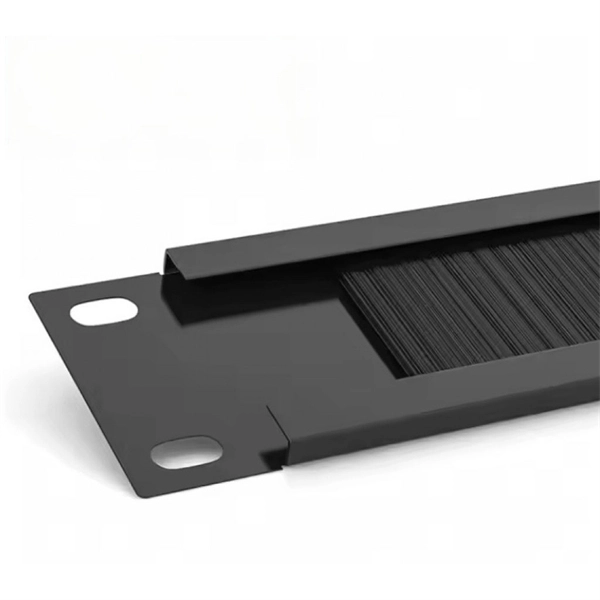
What is the small busbar of the high-voltage switchgear
In electric power distribution, a busbar (also bus bar) is a metallic strip or bar, typically housed inside switchgear, panel boards, and busway enclosures for local high current power distribution, transmission, or switching substations. They are also used to connect high...
[PDF Version]
-
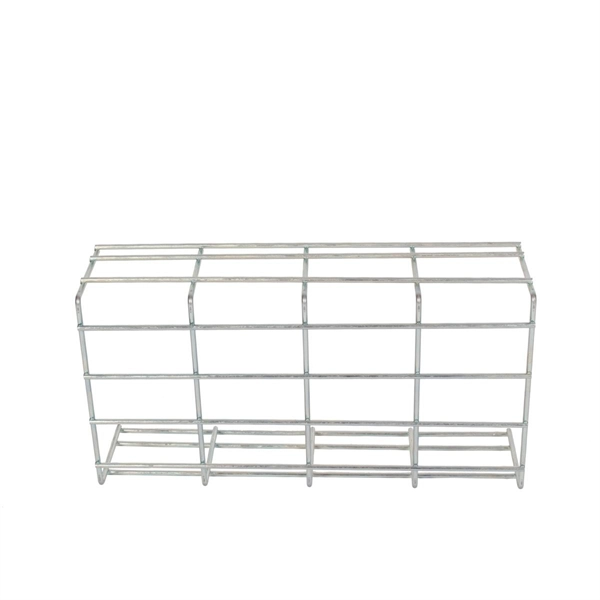
ABB switchgear busbar installation
It covers important aspects like detailed dimensions, weights, unpacking procedures, handling instructions, foundation requirements, and the step-by-step assembly of switchgear units, including main busbar connections and gas vent ducts. Only install switchgear in closed...
-
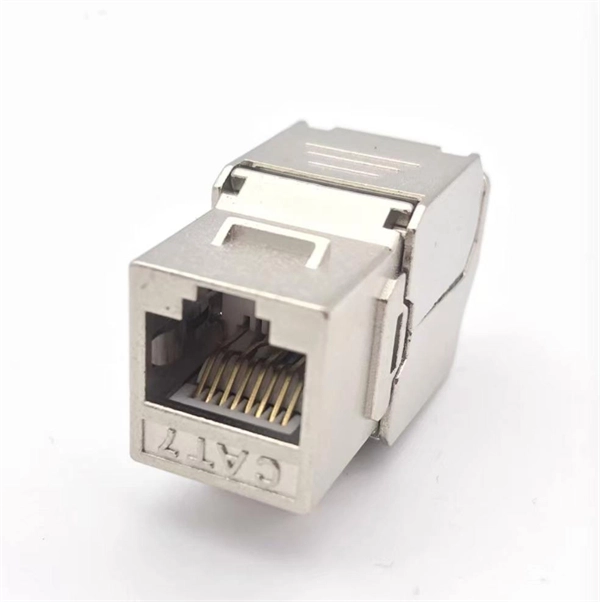
What is a small busbar in a high-voltage switchgear
In , a busbar (also bus bar) is a metallic strip or bar, typically housed inside,, and for local high current power distribution, transmission, or switching substations. They are also used to connect high voltage equipment at electrical switchyards, and low-voltage equipment...
[PDF Version]