
Site Acceptance Test For Optical Fibers
Search optical fiber, connectivity, cable management and network infrastructure references.
- Site
- Acceptance
- Test
Articles and technical references
10 on this page-
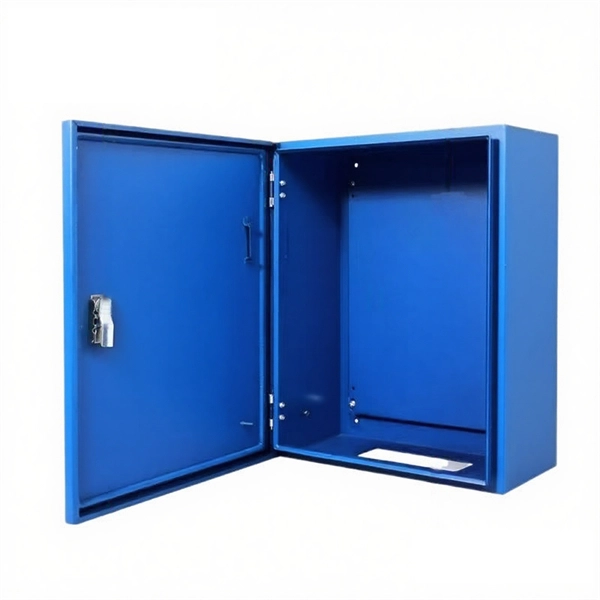
Regulations for Communication Cables and Optical Fibers
This article explains eight of the most important global fiber and cable standards — ITU-T, IEC, TIA, ISO/IEC, and Telcordia — covering their scope, applications, and why they matter in real-world deployments. Fiber optic networks are built on well-defined standards that...
[PDF Version]
-
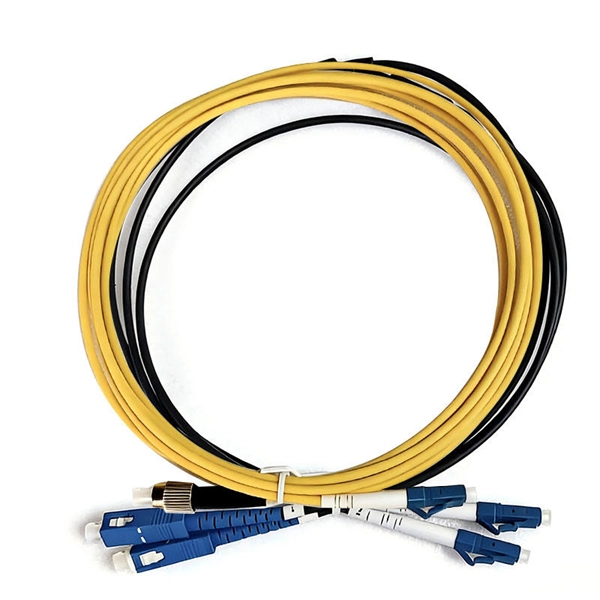
Fireproof wires cables and optical fibers
In this guide, we list the Top 5 Global Manufacturers who set the standard for fire safety. We will also clarify the confusing jargon (OFNR vs. IEC 60331) and show you how to source safety-compliant cables without breaking your budget. ETK Kablo 's fire-resistant fiber optic...
[PDF Version]
-
Advantages and disadvantages of twisted-pair cables and optical fibers
Twisted pair cable is the most cost-effective choice for coaxial cables and optical fibers, but the bandwidth is also lower and the attenuation is higher, that is, the farther the distance, the worse the performance. They are also prone to wear and must be maintained...
[PDF Version]
-
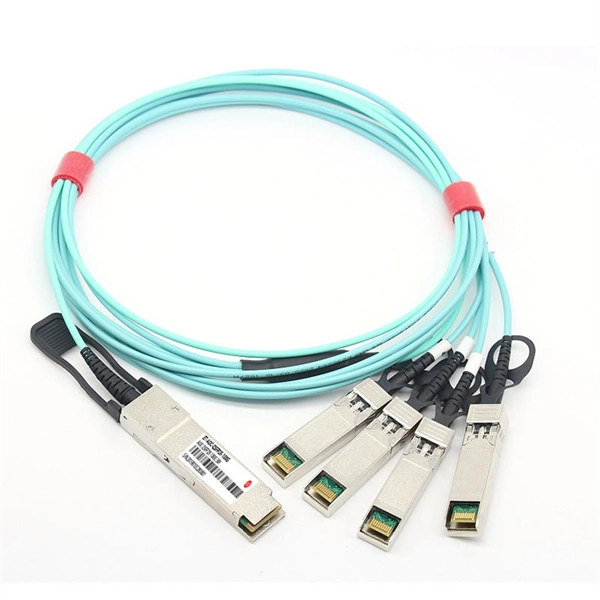
Calibration of Optical Communication Test Instruments in Serbia
71 ATS-accredited ISO/IEC 17025 calibration labs in Serbia — find one to calibrate your equipment. Every listing links to the official scope document. Belgrade. Accreditation Body of Serbia grants accreditation to: Validation body and verification body SRPS EN ISO/IEC...
-
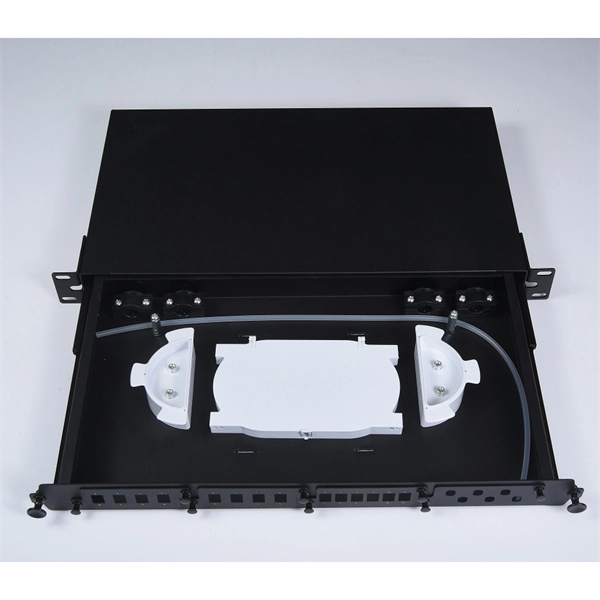
How long does the optical cable acceptance process take
The entire process typically takes 2-6 hours for residential installations when an Optical Network Terminal (ONT) is already present, or 4-6 hours if one needs to be installed from scratch. 1: How long does the fiber optic installation process take? A: The duration varies...
-
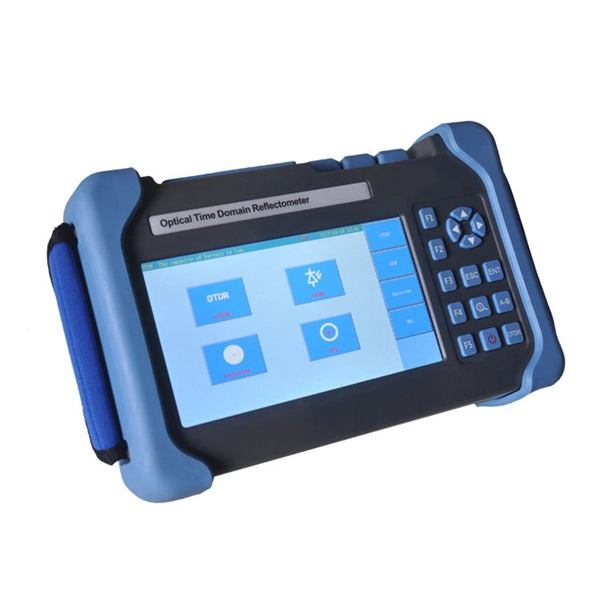
Principle of Optical Power Meter Measurement of Dual Fibers
An optical power meter (OPM) is a type of electronic test device used to measure the power output of fiber optic equipment or the power or loss of an optical signal transmitted through a fiber cable. An OPM uses a photodiode to generate an electrical current proportional to...
[PDF Version]
-
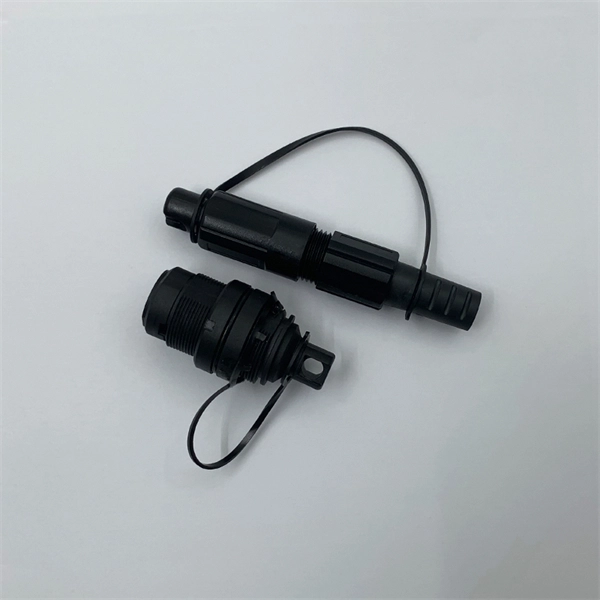
Are optical fibers inside fiber optic cables prone to breakage
Due to their thin geometry, optical fibers are prone to breaking, and each broken fiber contributes to loss of signal, affecting your data. Choosing a high-quality, rugged fiber optic cable will minimize fiber breakage and maintain the highest spectral transmission with every...
[PDF Version]
-
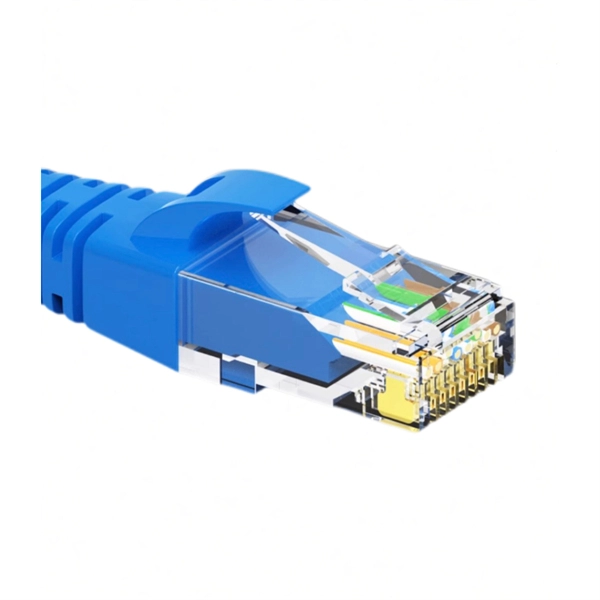
Electromagnetic waves are transmitted via cables and optical fibers
Modern fiber-optic communication systems generally include optical transmitters that convert electrical signals into optical signals, optical fiber cables to carry the signal, optical amplifiers, and optical receivers to convert the signal back into an electrical signal. The...
[PDF Version]
-
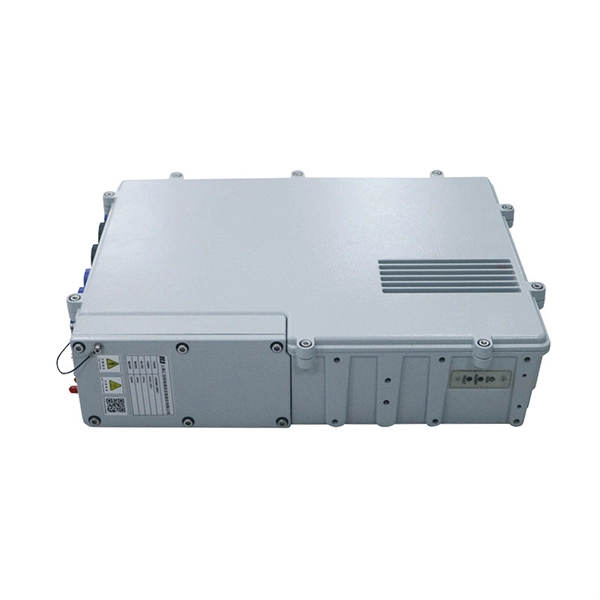
Technical Requirements for Imported Cables and Optical Fibers
This article explains eight of the most important global fiber and cable standards — ITU-T, IEC, TIA, ISO/IEC, and Telcordia — covering their scope, applications, and why they matter in real-world deployments. While the US relies heavily on TIA/EIA standards (like TIA-568)...
[PDF Version]
-
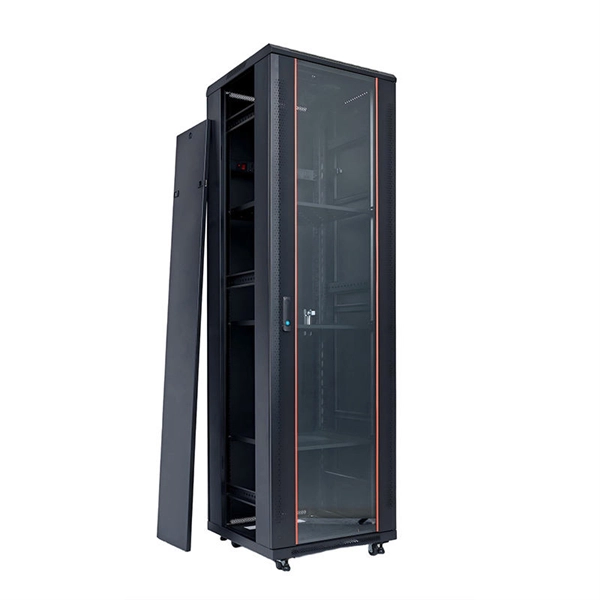
How to test single-mode dual-fiber optical power meters
To use a power meter for fiber optic testing, always clean connectors first with lint-free wipes or click-to-clean tools. Select the correct wavelength and set your reference. You measure optical power in dBm or insertion loss in dB. Consistent procedures ensure accuracy...
[PDF Version]