
Technical notes
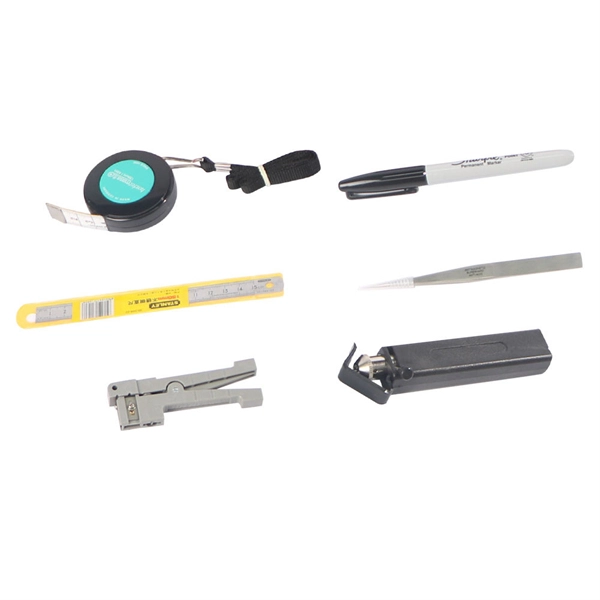
The Complete Step-by-Step Guide to Fiber Optic Splicing
In this guide, we cover the basics of fiber optic splicing, how to perform splicing using two different methods, and finally some best practices to perform good
Optical Fiber Splicing: The Complete Technical Guide to
This guide breaks down the fundamentals of optical fiber splicing, compares fusion and mechanical techniques, explains factors that influence splice loss, and
CN110927875A
The invention relates to the technical field of optical fiber ribbon manufacturing, in particular to a manufacturing method of an optical fiber ribbon with a skylight.
How to Splice Fiber Optic Cable – Step-by-Step Fusion
Learn how to splice fiber optic cable using fusion splicing with this complete step-by-step guide. Includes tools, best practices, loss standards (ITU
Fiber Optic Cable Splicing Methods: A Practical Guide
The two primary industry-accepted methods for fiber optic cable splicing are fusion splicing and mechanical splicing. The choice between them depends on performance requirements,
Guide for splicing of fiber optic fibers | EFB-Elektronik
Splicing has become an integral part, especially in the field of electrical installations. Find out directly from our product expert for fibre optic technology how to perfect the splicing process.
Fiber Optic Cable Splice: The Most Complete Guide
In this comprehensive guide, we delve into the intricacies of fiber optic splicing—encompassing methodologies, instruments, and best
Fiber Optic Splicing Types, Methods, and Applications
Fiber optic splicing is primarily categorized into two methods: fusion splicing and mechanical splicing. Each has its application, cost, and performance factors.
Care of Optical Fibers During Splice Preparation
Splicing and termination procedures require the removal of a section of the optical fiber''s protective coating. It is crucial that the coating removal be accomplished carefully to minimize the impact on the
Fiber Splicing & Winding Tutorial – Step-by-Step Guide
The operation and skills of fiber optic fusion splicing technology can be mainly divided into five steps: fiber stripping, fiber cutting, fiber melting, fiber
Mastering the Art of Splicing Fiber Optic Cables: Expert
Master the essential skill of splicing fiber optic cables with our expert guide. Learn the fusion splice technique for seamless data transmission and
The FOA Reference For Fiber Optics
The most common application for splicing is concatenating (joining) cables in long outside plant cable runs where the length of the run requires more than one cable.
The FOA Reference For Fiber Optics
The connection loss of this type of termination includes the typical connection loss tested when mated to a reference connector plus the splice used to attach the connector to the fiber, as the splice is the
Splicing Fiber Optic Cables | A Beginner''s Guide
Fiber splicing is a vital technique in cable maintenance. Knowing how to splice fiber optic cables is key for data communications with superior performance.
The FOA Reference For Fiber Optics -Mechanical Splices
Strip jacket, removing an adequate amount of jacket, usually 2-3 m, for splicing and dressing the buffer tubes and fibers in the splice closure. Leave the proper amount of strength members to attach the
Fiber Optic Cable – Method of Joining and Fusion Splicing
Learn about the fiber optic cable operating principle, types, connectors, method of joining and fusion splicing.
Optical Fiber Splicing: The Complete Technical Guide to
Poor fiber splicing, on the other hand, can lead to performance issues and increased maintenance costs. This guide breaks down the fundamentals of optical fiber
Fiber U Basic Skills Lab Workbook-splicing
Fusion splicing is the preferred method for splicing long distance singlemode cable plants, as it''s low loss and reflectance maximizes cable plant performance. Multimode fiber is more often spliced by
Related Video Reference
This video was associated with the source search result. Verify technical details against current product documentation and project requirements.