
Installing SFP and SFP+ Transceiver Modules
SFP transceiver modules can have three types of latching devices to secure an SFP transceiver module in a port socket: •Figure 4 shows an SFP trans...
Search optical fiber, connectivity, cable management and network infrastructure references.
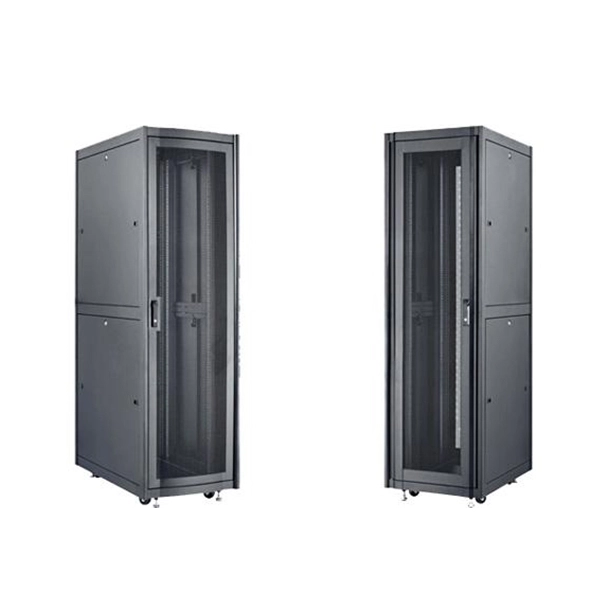
The SFP transceivers are high performance, cost effective modules supporting data rate of 1. 25Gbps and 2km transmission distance with MMF. The transceiver consists of three sections: a FP laser transmitter, a PIN photodiode integrated with a trans-impedance preamplifier...
[PDF Version]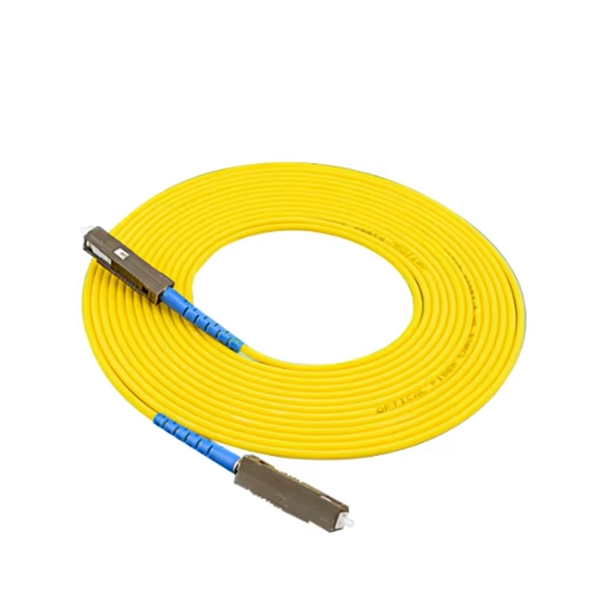
SFP sockets are found in, routers, firewalls and. They are used in Fibre Channel and storage equipment. Because of their low cost, low profile, and ability to provide a connection to different types of optical fiber, SFP provides such equipment with enhanced flexibility. SFP...
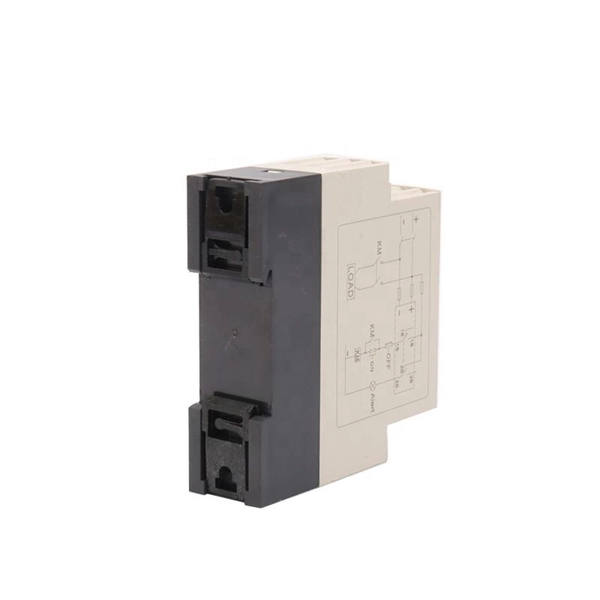
Cable sag results from incorrect spacing of cable tray supports or from employing the incorrect tray type that is, light-duty perforated trays in high-load applications. Complicating the problem are overloaded trays and large unsupported spans. Sagging causes tension at...
[PDF Version]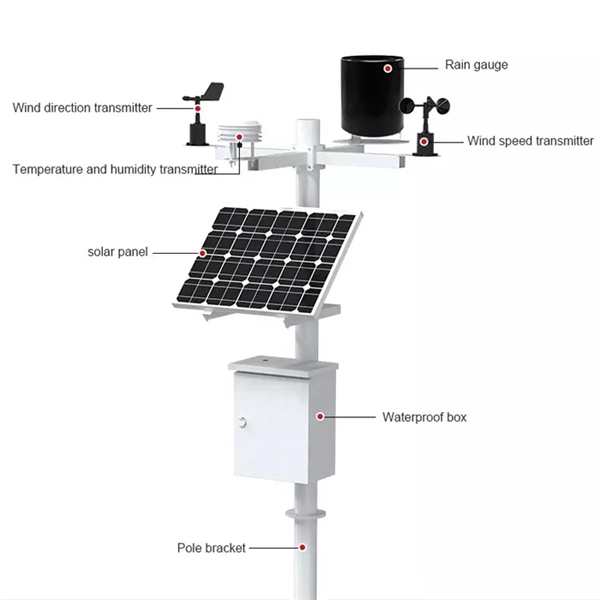
Modern small cable tray systems feature modular construction that allows for easy installation and expansion. The primary function involves creating organized cable pathways that prevent cable damage from environmental factors, mechanical stress, and electromagnetic...
[PDF Version]
Also known as Fast Ethernet SFPs or 100BASE modules, these transceivers are far from obsolete. They offer a perfect blend of reliability, distance extension, and electrical isolation for environments where raw speed isn't the primary concern. In an era dominated by...
[PDF Version]
Main and branch bus sections distribute power between incoming, tie, and outgoing breakers. Here, we provide an overview of common substation busbar configurations—Single Bus, Main and Transfer, Double Breaker/Double Bus, Ring Bus/Ring Main, and Breaker and a Half. Designing...
[PDF Version]
Because busbars have a large cross-sectional area, they can safely carry high current without excessive heating. Electrical power enters the system through the main supply. The incoming supply is connected directly to the busbar. This means using solid bars of copper...
[PDF Version]
This comprehensive guide breaks down the internal structure, core components (TOSA, ROSA, lasers), and operational mechanisms of SFP optical modules, enriched with technical insights and real-world applications. SFP (Small Form-factor Pluggable) is a compact, hot-pluggable...
[PDF Version]SFP transceiver modules can have three types of latching devices to secure an SFP transceiver module in a port socket: •Figure 4 shows an SFP trans...
If you are removing an SFP or SFP+ transceiver module, follow these steps: Step 1 Attach an ESD-preventive wrist strap to your wrist and to the ESD...
For information on obtaining documentation, submitting a service request, and gathering additional information, see the monthly What's New in Cisco...
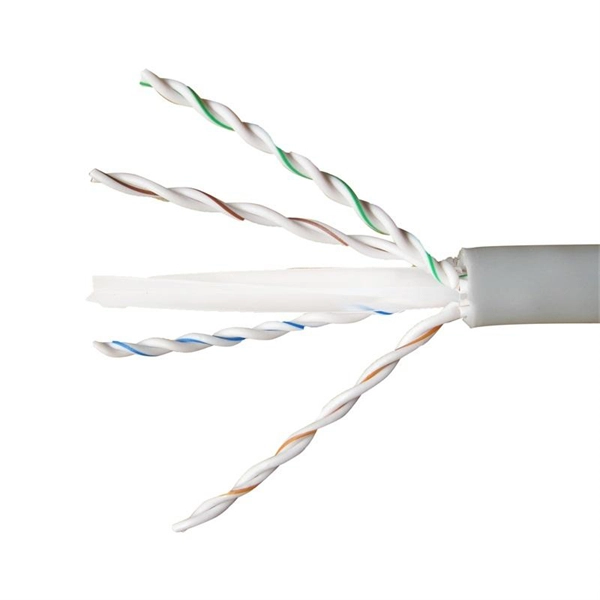
With a data rate of 200Gbps, this module ensures fast and reliable connectivity for short-range applications. It is supported by local product imagery. Confirm final data rate, port count, reach, cage construction, plating, thermal path, and compliance. The Huawei 34160107...
[PDF Version]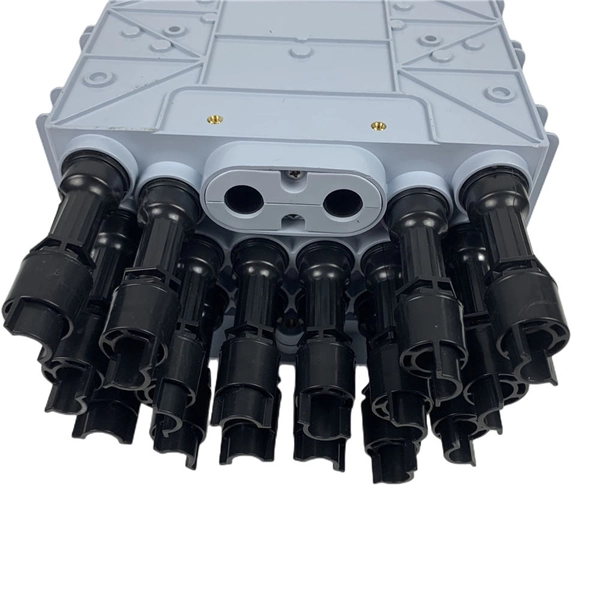
The busbar's material composition and cross-sectional size determine the maximum current it can safely carry. Busbars can have a cross-sectional area of as little as 10 square millimetres (0.016 sq in), but may use metal tubes 50 millimetres (2.0 in) in diameter or more as...
Share the fiber interfaces, termination capacity, cable route and evidence required for handover.