
Smooth Transitions Understanding The Important Role
Search optical fiber, connectivity, cable management and network infrastructure references.
- Smooth
- Transitions
- Understanding
Articles and technical references
11 on this page-
The Role of a 100Mbps SFP Optical Module
Also known as Fast Ethernet SFPs or 100BASE modules, these transceivers are far from obsolete. They offer a perfect blend of reliability, distance extension, and electrical isolation for environments where raw speed isn't the primary concern. In an era dominated by...
[PDF Version]
-
The Role of Automated Fiber Optic Sensors
This is the power of fiber optic sensing, a technology that transforms ordinary optical fibers into the digital world's sensory network. In 2023, researchers turned submarine cables into earthquake warning systems and gave electric vehicles “optical nerves” to prevent...
-
The Role of Light Sources in Fiber Optic Communication Systems
Fiber-optic communication systems require a light source to generate the signal that the fiber transmits. Some inexpensive short-distance systems use LEDs that emit visible light, but most systems carry. Understanding Fiber Optic Communication System: Working, Components, and...
[PDF Version]
-
The Role of Monitoring Fiber Optic Patch Cords
In this blog post, we'll take a deep dive into the key performance tests for fiber optic patch cords — polarity verification, insertion loss and return loss measurement, 3D interferometric endface metrology, and endface inspection — along with the relevant standards...
[PDF Version]
-
The Role and Function of Fiber Optic Cables
A fiber-optic cable uses long, thin strings of flexible glass to transmit data in the form of light. The receiver device converts light into data. These cables rely on components like the core, cladding, strength member, coating, and outer jacket. They operate on the...
[PDF Version]
-
The role of cable trays in computer rooms
The function is to provide a continuous, supported pathway that prevents cables from lying loose and vulnerable to physical damage. The system includes straight sections, fittings, and support hardware. A cable tray system forms a structural framework. A copper cable or fiber...
[PDF Version]
-
Cable trays are attached to the bottom of the board
Perforated Trays: These have a flat bottom with holes. The holes help with air flow and water drainage. Fill Limits: For power cables, the fill must not exceed 40% of the tray's. A cable tray is a support structure that seems to be a bridge that supports wires in the air...
[PDF Version]
-
The Role of Photovoltaic Inverter Switches
There is currently more than 5 GWp of domestic solar PV installed within the UK. Photovoltaic (PV) power generation systems may use photovoltaic inverters that play only a secondary role, accounting for only 5 to 8 percent of their overall setup. Though often misconstrued as...
[PDF Version]
-
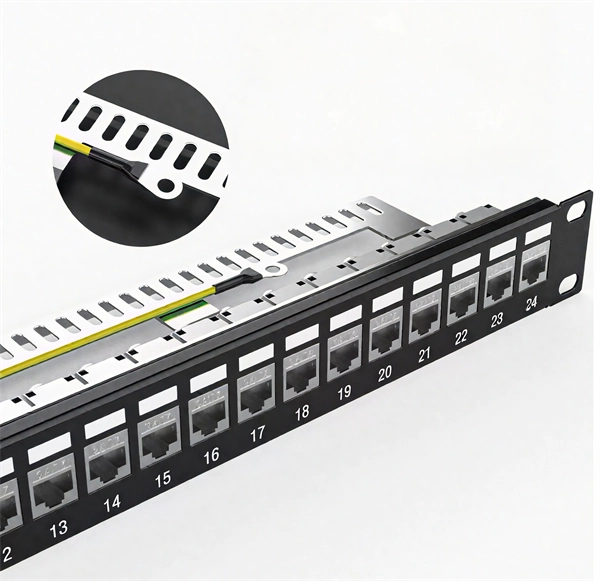
Is the low-voltage top busbar important
In conclusion, low voltage busbars offer significant benefits including improved efficiency, enhanced safety, and unparalleled flexibility. Their ability to adapt to various environments makes them valuable for industries ranging from manufacturing to renewable energy. If you...
-
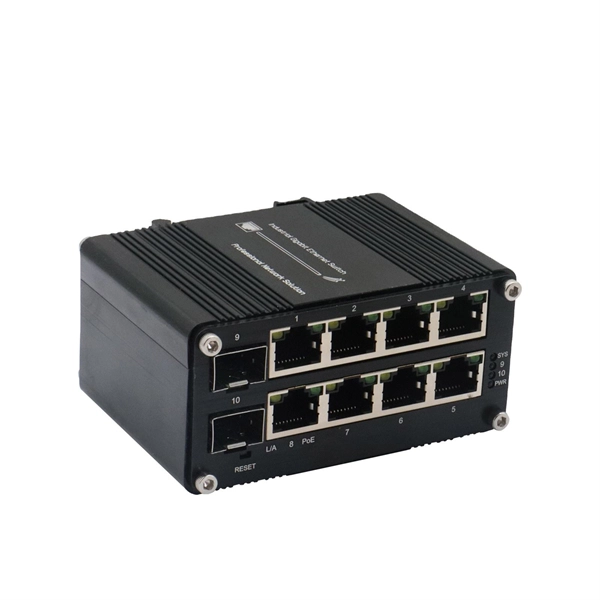
The role of fusion splicing cable
Fusion splicing is used for joining cables during network installation projects, repairing cables, mounting pre-polished splice-on connectors, and many applications in factories that make fiber optic components and subsystems. The world's networks are increasingly built on...
[PDF Version]
-
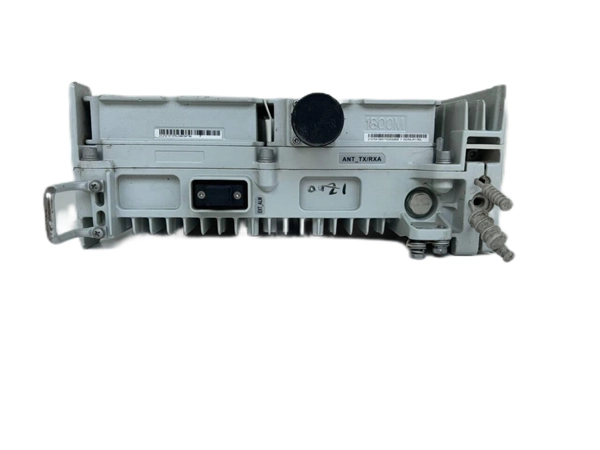
The role of fixed optical power attenuator
A fixed optical attenuator is a fiber optic component designed to reduce the intensity of an optical signal by a set amount. It is used when the required signal reduction is already known and does not need to change during operation. They do not modify the signal content...