
Technical notes
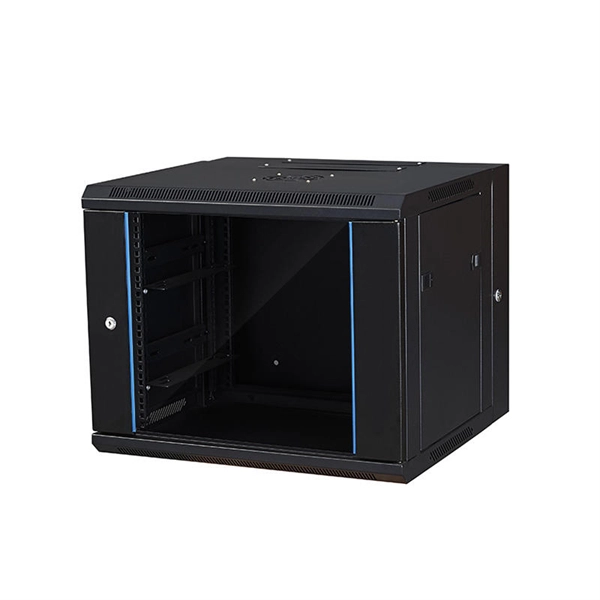
To Stack Or Not To Stack: Making The Right Network Choice
In the evolution of network device management, switch stacking simplifies management by turning multiple switches into one logical device, making it a popular choice in many networks. But
Stackable Switches Guide: Benefits, vs. Chassis,
Compare the best stackable switches from Cisco, NETGEAR, & D-Link. Learn how to scale your network, increase port density, and save on management costs
Cisco IOS XE 17
Stacking is the process of connecting multiple physical network switches together, so they function as a single, logical switch. This is achieved by using stacking-capable switches which
Stackable vs Non-Stackable Switches: Choosing the Right
Learn the differences between stackable and non-stackable switches, how network switch stacking works, and best practices for scalable, resilient enterprise networks.
Different Types of Network Switches
There are several types of network switches and understanding the differences can help you make the right choices for your small business.
Chassis-Based vs. Fixed and Stackable Switches: A
Fixed switches offer simplicity and cost-effectiveness for smaller networks, while stackable switches provide a balance of scalability and affordability for medium-sized deployments.
STACKING vs VSS
Stacking transforms standalone switches into single logical unit or group, with this group of switches showing the characteristics of a single switch
Switches: To Stack or Not To Stack?
Switches: To Stack or Not to Stack? When it comes to designing your network, you often face two competing interests. Find the right balance with this guide.
Campus Architectures and Stackable Switches
Traditional wiring closet switch architectures are built using either fixed configuration standalone switches, stackable switches or modular chassis systems. Each approach has its own benefits and
Switches: To Stack or Not to Stack?
In comparison to having several standalone switches, stacking offers more benefit such as scalability, flexibility, and simplicity. There are also cons to stacking and each switch adds
Stackable switch
Avaya 5600 Family of stackable switches A stackable switch is a network switch that is fully functional operating standalone but which can also be set up to operate together with one or more other
What Is a Stacked Switch?
What are the primary advantages of using a stacked switch configuration compared to standalone switches? The primary advantages of using stacked switches include increased port
Switch Stacking Explained: Basis, Configuration & FAQs
Switch stacking is a technology that connects multiple physical switches into a single logical unit. Stackable switches improve network scalability, reliability, and flexibility by increasing
Everything You Should Know About Switch Stacking
Switch stacking is a network configuration method that connects multiple physical switches to form a logical switch. In this way, administrators can configure and manage all switches
Campus Architectures and Stackable Switches
Campus Architectures and Stackable Switches History of Stackable Switches Traditional wiring closet switch architectures are built using either fixed configuration standalone switches, stackable switches
Running a ''Stacked'' Switch as Standalone
Hello. I have a 9200L switch that was previously part of a stack that I removed the configuration from but it still seems to think it is part of a stack and I don''t know how to remove. I ran
The Advantages and Disadvantages of Switch Stacking
Stack cables typically have length limitations, and using long-range options, such as virtual stacking, may introduce latency or software limitations. In these cases, alternatives such as link
Stacked Switches
A stackable switch is a network switch that is fully functional operating standalone but which can also be set up to operate together with one or more other network switches, with this
Related Video Reference
This video was associated with the source search result. Verify technical details against current product documentation and project requirements.