
Substation Design Principles
Search optical fiber, connectivity, cable management and network infrastructure references.
- Substation
- Design
- Principles
Articles and technical references
11 on this page-
Relay Protection Principles 13
Also principles of various protective relays and schemes including special protection schemes like differential, restricted, directional and distance relays are explained with sketches.
-
Design capacity of intelligent power distribution cabinet
Its capacity ranges from 20kW to 300kVA, and the product is certified by national compulsory test. It is chiefly used for data centers and the computer rooms at financial, telecommunications, business, government, airports, and hospitalfields. Along side our significant...
-
Network Cabinet Installation Principles
This guide provides essential best practices for server rack setup and organization, covering steps for effective installation, cable management, standards compliance, power distribution, cooling methods, and security measures. An in wall network cabinet is a special type of...
-
Principles of Fiber Optic Sensor Chips
This article explores the different types of Fiber Optic Sensors, their working principles, and various applications. P 603 Radiation absorption excites an orbital electron to a higher energy level. A sensor is a device that measures a physical quantity and converts it into...
-
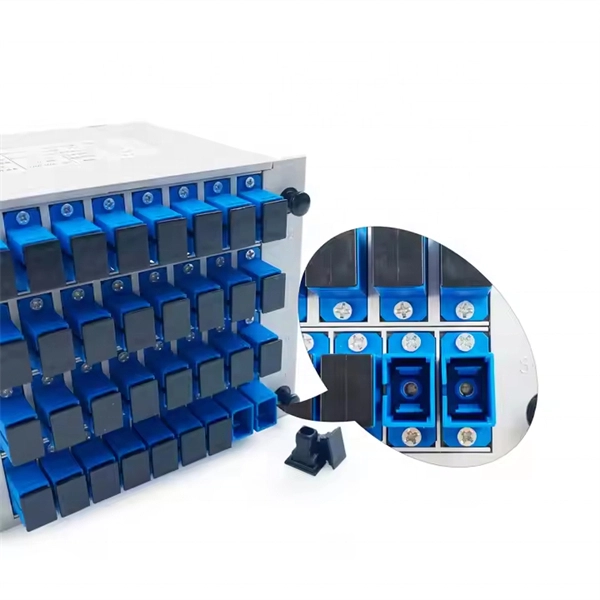
Design of power distribution equipment and distribution boxes
Learn how to design an electrical power distribution system step by step, covering load analysis, voltage selection, equipment choice, and safety compliance. Power Distribution Equipment is a term generally used to describe any apparatus used for the generation, transmission...
[PDF Version]
-
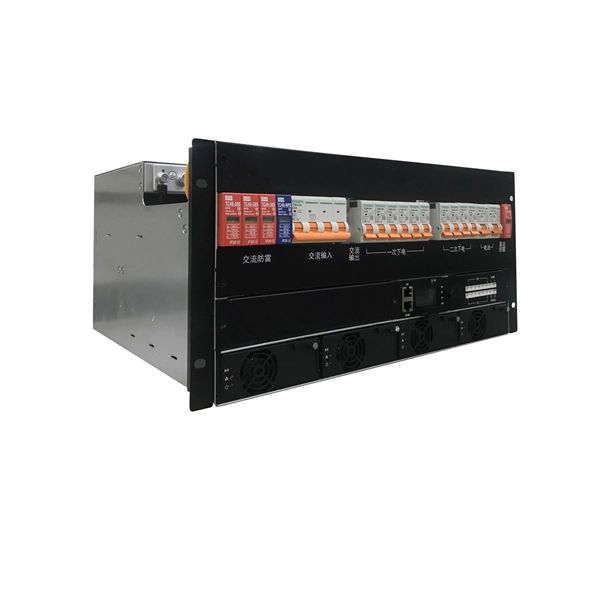
Principles and Advantages of Fiber Optic Communication
It covers key advantages such as security, immunity to electromagnetic interference, lightweight design, high bandwidth, and safety, along with the nature of light and its role in fiber-optic communication. Fiber-optic communication is a method of transmitting data from one...
[PDF Version]
-
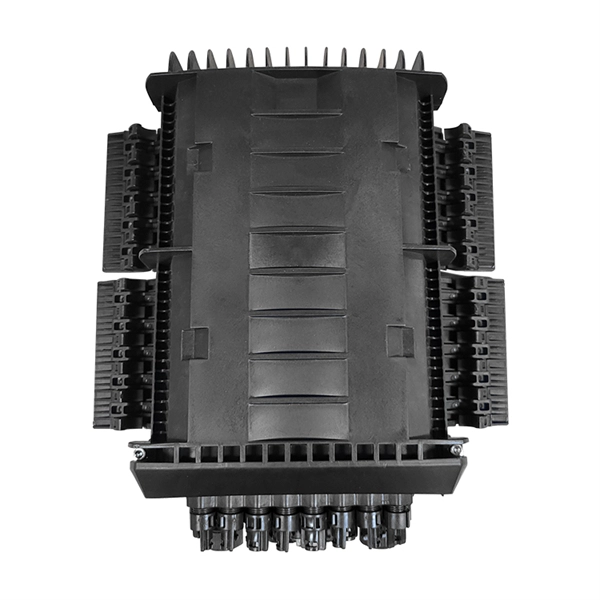
Principles of using beam splitters
Explore the precision, applications, and design principles of beam splitters, essential for advancements in scientific research and technology. Beam splitters are integral optical components that divide a beam of light into two or more separate beams.
-
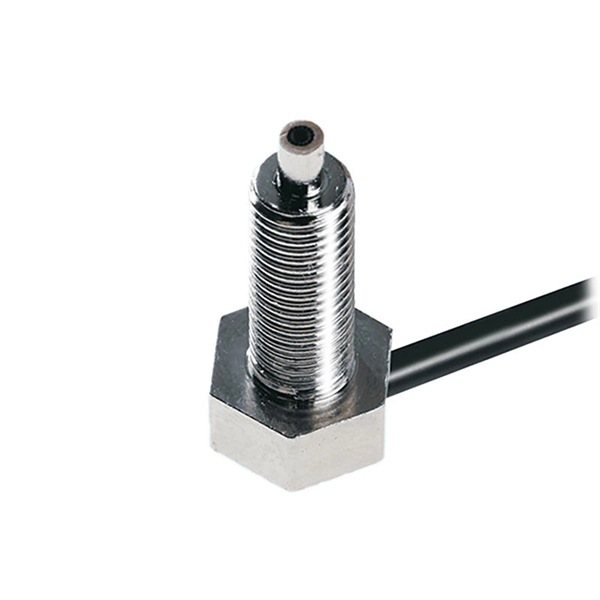
Selection Principles for Power Distribution Box Configuration
Medium voltage fits businesses and factories. This simple drawing shows your system clearly. Technical Principles TIP Navigation bar On every page you will find a navigation bar. Click on “Contents” at the top to view the contents page. 1 2 Con- tents Intro- duction...
[PDF Version]
-
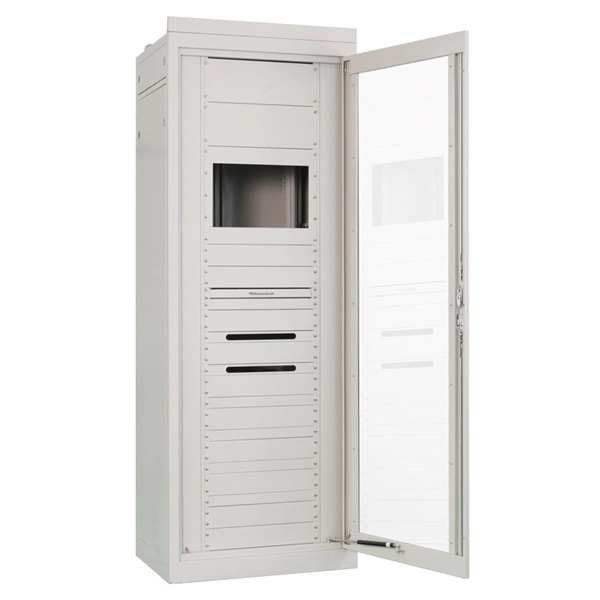
Network rack quotation and design price
A request for network quotation is a formal letter sent by a prospective customer to an IT service or products provider. The purpose of this letter is to formally request a company to make a quotation for the s.
-
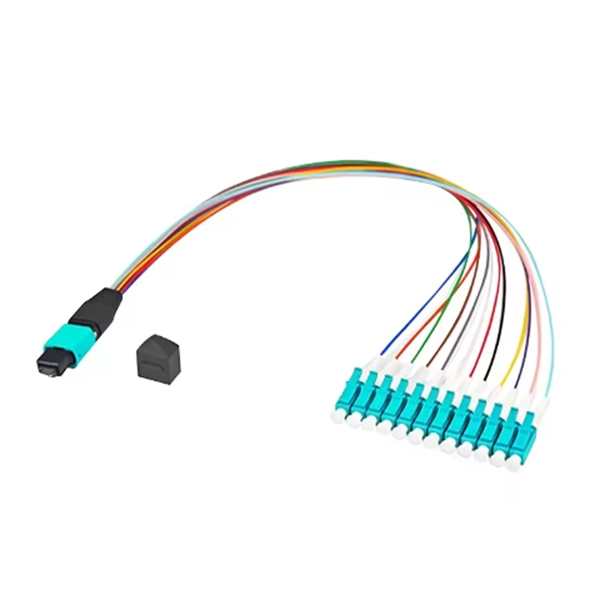
Principles of Distribution Boxes
Distribution box A distribution box is used to receive electrical power from a main supply and distribute it to multiple branch circuits in a safe and controlled way. It helps protect circuits, organize electrical connections, and improve maintenance efficiency. They are...
[PDF Version]
-
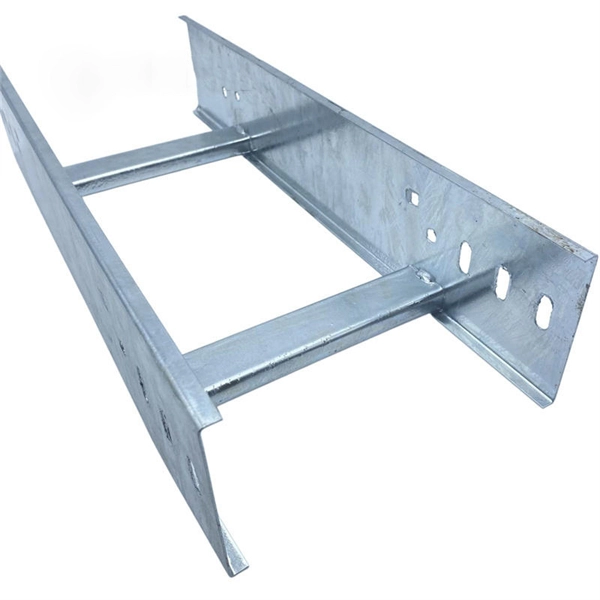
Utilization Principles of Optical Fiber Communication
Fibre-optic communication involves transmitting a signal as light, converting electrical signals to optical signals at the transmitter end and reversing the process at the receiver end. Light acts as a carrier wave and can be modulated to carry information. Optical fibre is...
[PDF Version]