
Substation Explosion Causes Impacts And
Search optical fiber, connectivity, cable management and network infrastructure references.
- Substation
- Explosion
- Causes
Articles and technical references
11 on this page-
Causes of Corrosion in Cable Tray Covers
Corrosive environments, characterized by the presence of acids, salts, or extreme humidity, can lead to rapid degradation of cable trays, jeopardizing the performance and safety of electrical installations. Cable trays are widely used in industries to manage and protect...
[PDF Version]
-
Vibration causes relay protection to malfunction
Contact bounce occurs when vibration causes relay contacts to make and break intermittently, leading to unreliable switching and potential system failures. This phenomenon directly impacts automation reliability and can result in costly production downtime. Persistent...
[PDF Version]
-
Causes of Deformation in Galvanized Cable Trays
Excessive Weight: Overloading may cause tray deformation or failure. Dynamic Loads and Vibrations: Equipment vibrations can loosen supports and fasteners. Recognizing and addressing these failures early can prevent more severe issues. This guide discusses common cable tray...
[PDF Version]
-
Photovoltaic transformer substation monitoring and control combiner box
Our DC combiner boxes offer users the possibility to integrate short-circuit and overvoltage protection, as well string monitoring solutions (I,V, T and SPD and switch isolator status), for PV systems using central inverters with PV panels in trackers and fix tilt systems...
[PDF Version]
-
Causes of Bit Errors in Optical Communication Equipment
What causes bit errors in optical data transmission? In optical systems, bit errors are often caused by noise in receivers and amplifiers, optical losses, signal distortion from chromatic dispersion, and nonlinear effects within the transmission fiber. How is the bit error...
[PDF Version]
-
Causes of overheating in bus connectors
MCB busbar overheating is primarily caused by loose connections, undersized components, improper alignment, or oxidation. These create high-resistance points that generate excessive heat through I²R losses, potentially leading to fire hazards and system failure. This article...
[PDF Version]
-
Analysis of the causes of relay protection alarms
This involves examining the protection settings, relay programming, and circuit configurations to identify the possible causes of the fault. To promptly detect the faults of the relay protection system and the circuit breakers in time and to ensure the operational reliability...
-
Analysis of the Causes of Short Circuits in Fiber Optic Communication
Fiber Optic Troubleshooting Guide: Problems, Tools & SolutionsLearn how to troubleshoot fiber optic cables with common problems, a step-by-step process, es.
[PDF Version]
-
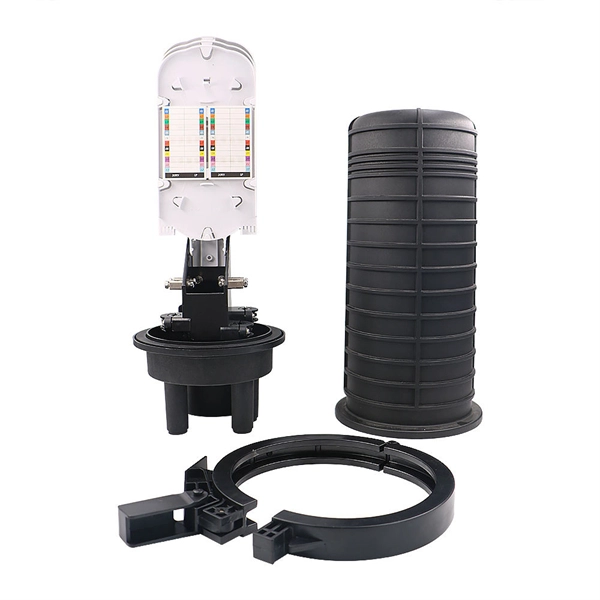
Substation guide fiber optic cable laying
Underground Fiber Optic Cable Installation: A Complete Learn how to install underground fiber optic cables safely and efficiently. Explore trenching, condu.
[PDF Version]
-
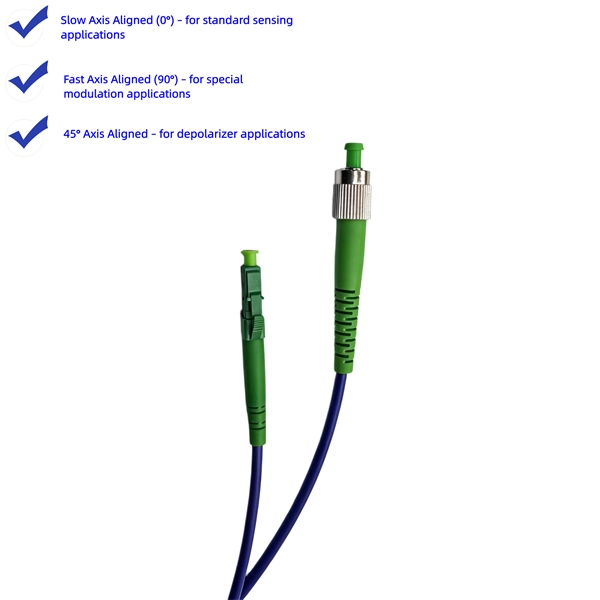
Substation relay protection setting
Relay Protection in HV/MV Substations: Calculations, This comprehensive article delves into the key aspects of relay protection in HV/MV substations, inclu.
[PDF Version]
-
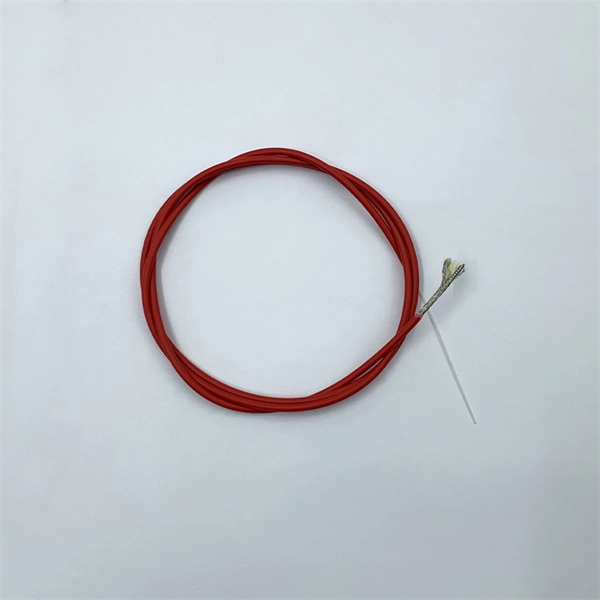
Busbar Substation
In , a busbar (also bus bar) is a metallic strip or bar, typically housed inside,, and for local high current power distribution, transmission, or switching substations. They are also used to connect high voltage equipment at electrical switchyards, and low-voltage equipment...
[PDF Version]