
T And B Cable Tray Systems Design Tools Abb Electrification Canada
Search optical fiber, connectivity, cable management and network infrastructure references.
- Cable
- Tray
- Systems
Articles and technical references
8 on this page-
What tools are needed for cable tray connection holes
Tools: Power drill, hammer drill (for concrete), wrench set, measuring tape, level, hacksaw or angle grinder (for cutting trays), and a file (for deburring). - Common tools used for cable tray installation like saws, drills, wrenches, and levels. Electrical Wiring:Types of...
[PDF Version]
-
Price of cable tray binding tools
Stainless Steel Cable Tie Banding Tools, Heavy Duty Stainless Steel Cable Tie Banding Tools, Heavy Duty Cable Tie Tensioner Banding Strapping Packaging Kit.
[PDF Version]
-
How to access the cable tray for fire protection and low-voltage electrical systems
Cable Tray Installation Rules (NEC 392) – Electrical TraderCore rules for selecting, installing, grounding, and filling cable trays—clearances, materials.
[PDF Version]
-
Design Drawing of Mesh Cable Tray Repair Scheme
This Cable Tray Fixing CAD Drawing File presents a detailed DWG layout suitable for electrical design and cable management systems. BlazingFast Photonics delivers high-speed optical transceivers, silicon photonics, co-packaged optics, OSFP 1. 6T modules, laser drivers, TIAs...
[PDF Version]
-

Trough-type cable tray mesh
Unlike ladder or wire mesh cable trays, trough type cable trays use a fully enclosed structure formed from a single steel sheet, creating a protective channel that shields cables from external interference. Far superior to traditional conduit in many applications, cable tray...
[PDF Version]
-
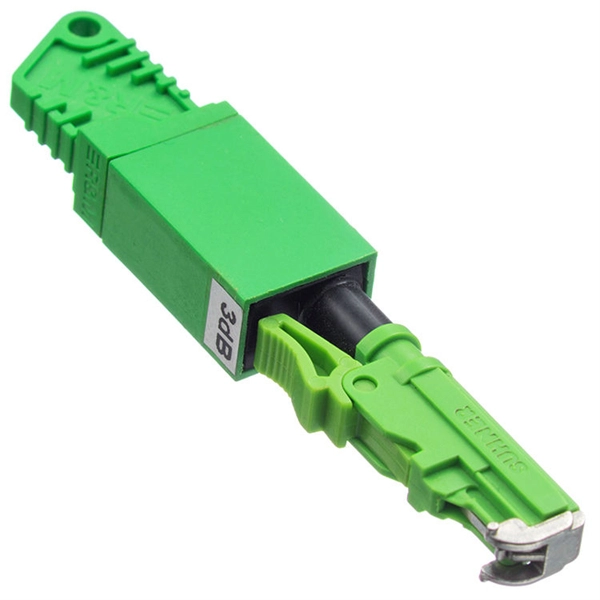
What type of cable tray is a rigid cable tray
Cable trays are mechanical support systems that provide a rigid structural system for electrical cables, raceways, and insulated conductors used for electric power distribution, control, signal instrumentation, and communication. There are several types of cable trays...
-
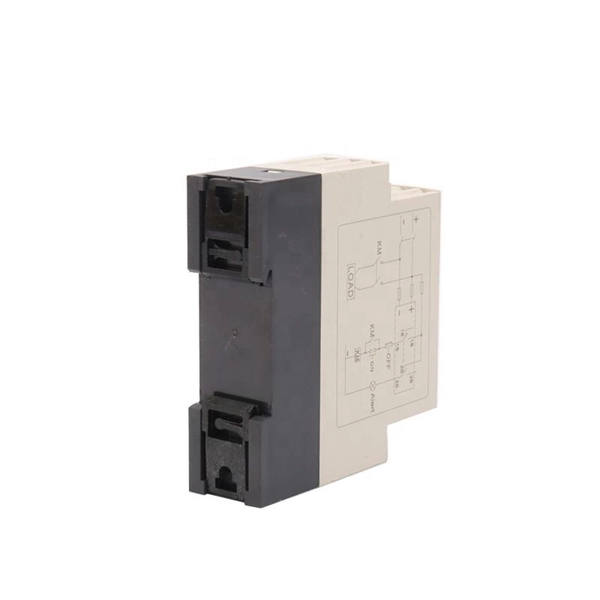
Cable tray small end becomes large
Cable sag results from incorrect spacing of cable tray supports or from employing the incorrect tray type that is, light-duty perforated trays in high-load applications. Complicating the problem are overloaded trays and large unsupported spans. Sagging causes tension at...
[PDF Version]
-

Sealing of Cable Tray Holes in External Walls
In Walls: Use a fire-rated, intumescent caulk or putty for gaps around cables in fire-rated walls. For non-fire-rated walls, silicone caulk provides a flexible, weather-resistant seal. Installing a cable through an exterior wall creates a breach in the building envelope...
[PDF Version]